









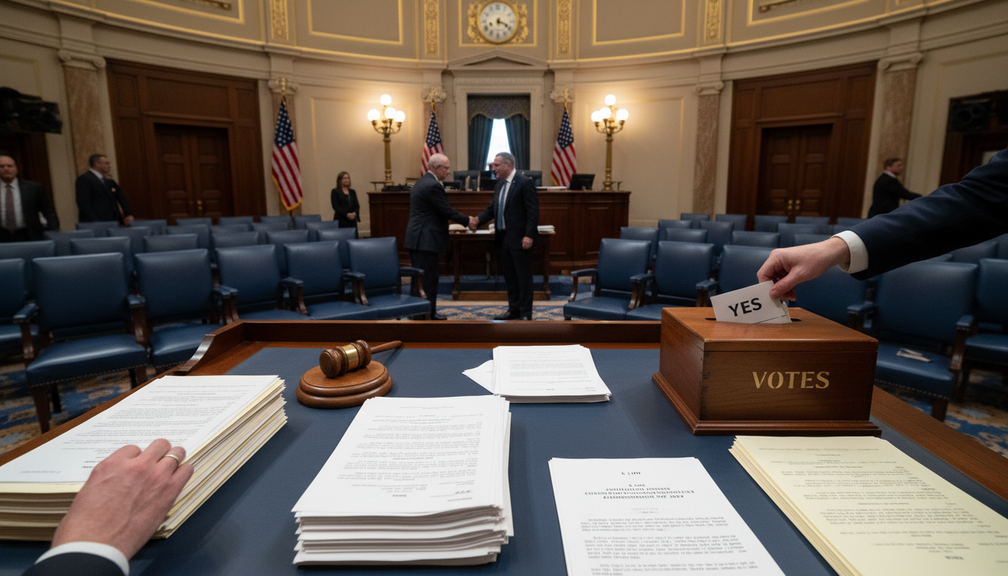
The US Senate has made a significant move in the realm of online privacy by unanimously passing the proposed COPPA 2.0 legislation. This bill, aimed at bolstering protections for children and teenagers, addresses mounting concerns regarding data collection without proper consent. The original Children’s Online Privacy Protection Act (COPPA), enacted in 1998, is being updated to align with the evolving landscape of online activities and digital technologies. With the unanimous approval of COPPA 2.0, lawmakers are signaling a strong commitment to safeguarding the digital privacy rights of young users.
The passage of COPPA 2.0 comes at a crucial juncture when the online environment is rife with potential risks for minors. The proliferation of social media platforms, online gaming, and mobile apps has created ample opportunities for data exploitation and privacy violations. By modernizing the existing regulations and introducing new safeguards, the legislation seeks to create a safer online space for children and teens to navigate without fear of their personal information being misused or mishandled.
One of the key provisions of COPPA 2.0 is the requirement for explicit consent from parents or guardians before collecting personal information from minors under the age of 16. This stricter standard aims to address the loopholes that have allowed companies to gather data from young users without adequate permissions. By enhancing transparency and accountability in data practices, the legislation aims to empower parents and users to make informed decisions about their online interactions and privacy settings.
The unanimous support for COPPA 2.0 underscores the bipartisan recognition of the importance of protecting vulnerable populations in the digital age. With tech giants facing increasing scrutiny over their data handling practices, the passage of this legislation sends a clear message that privacy violations targeting children and teens will not be tolerated. By setting a higher bar for data protection standards, COPPA 2.0 is poised to reshape the digital landscape and hold companies accountable for upholding the privacy rights of young users.
For tech companies and online platforms, compliance with COPPA 2.0 will require a reevaluation of their data collection strategies and privacy policies. Adapting to the new regulatory framework may necessitate changes in data processing mechanisms, user consent mechanisms, and age verification processes. By prioritizing privacy by design and adopting privacy-enhancing technologies, companies can proactively demonstrate their commitment to safeguarding the personal information of young users and complying with the stringent requirements of COPPA 2.0.
In conclusion, the unanimous passage of COPPA 2.0 represents a significant milestone in the ongoing efforts to reinforce online privacy protections for children and teens. With the digital landscape constantly evolving, it is imperative to enact robust regulations that keep pace with technological advancements and emerging threats. By prioritizing the privacy rights of young users, COPPA 2.0 sets a precedent for responsible data governance and underscores the importance of fostering a safe and secure online environment for all users.




I’m not certain where you’re getting your info, but great topic. I must spend a while studying more or working out more. Thank you for magnificent information I used to be on the lookout for this information for my mission.