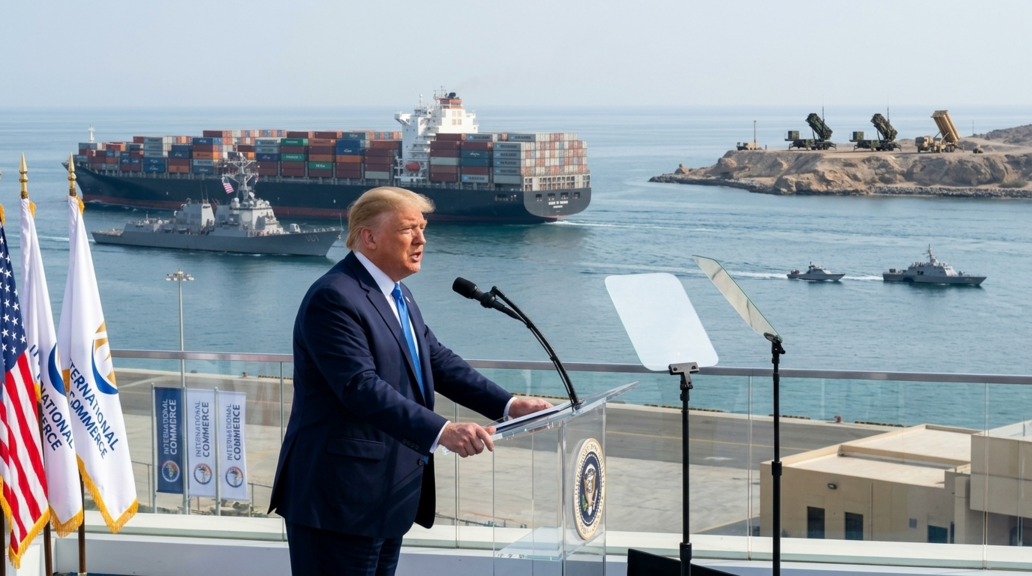









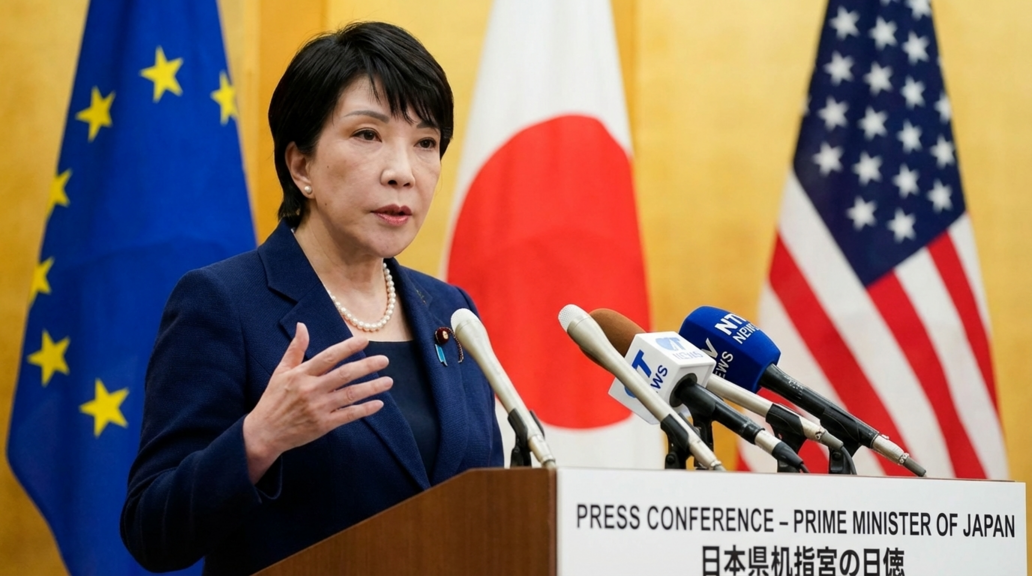
In the current geopolitical landscape, the issue of European countries resisting President Trump’s call for assistance in the Strait of Hormuz crisis underscores the importance of sovereignty and independent decision-making. As a conservative commentator who values national independence and self-reliance, it is heartening to see countries like Germany and Japan asserting their own strategic interests rather than blindly following the demands of others. This refusal to be coerced into actions that do not align with their national priorities is a testament to the strength of their commitment to their own sovereignty.
Moreover, the stance taken by these European countries and Japan reflects a broader principle of economic self-determination. Just as these nations are asserting their autonomy in matters of foreign policy, they also understand the value of maintaining control over their economic destinies. Free-market economies thrive on the principles of entrepreneurship, innovation, and competition, all of which are hindered by excessive government interference. By resisting external pressure to act against their interests, these nations are upholding the importance of economic freedom and self-reliance.
From a traditional conservative perspective, the refusal of European countries and Japan to comply with President Trump’s request highlights the enduring values of individual responsibility and national sovereignty. The belief in personal accountability and the rule of law is deeply rooted in conservative ideology, emphasizing the importance of making decisions based on one’s own judgment and values rather than succumbing to external pressure. By asserting their independence in the face of international demands, these nations demonstrate a commitment to upholding these traditional conservative principles.
Furthermore, the reluctance of European countries and Japan to send assistance in the Strait of Hormuz crisis serves as a reminder of the dangers of interventionist policies. Conservatives have long been wary of foreign entanglements and the potential consequences of military intervention. By refraining from getting involved in conflicts that do not directly threaten their national security, these nations are prioritizing prudence and caution over impulsive action, a stance that aligns with the conservative belief in measured and thoughtful decision-making.
In the context of Brexit, the actions of European countries and Japan take on added significance. As the United Kingdom seeks to assert its own sovereignty and economic independence through its withdrawal from the European Union, the refusal of other nations to comply with external demands further underscores the importance of self-determination. Brexit represents a rejection of excessive bureaucratic control and a reaffirmation of the principles of free markets and individual liberty, values that are shared by many conservative thinkers.
In conclusion, the decision of European countries and Japan to resist President Trump’s call for assistance in the Strait of Hormuz crisis reflects a commitment to national sovereignty, economic self-determination, and traditional conservative values. By asserting their independence and refusing to be swayed by external pressure, these nations uphold the principles of personal accountability, self-reliance, and prudent decision-making. In a world where global powers often seek to exert influence over smaller nations, the actions of these countries serve as a reminder of the enduring importance of sovereignty and national identity.