









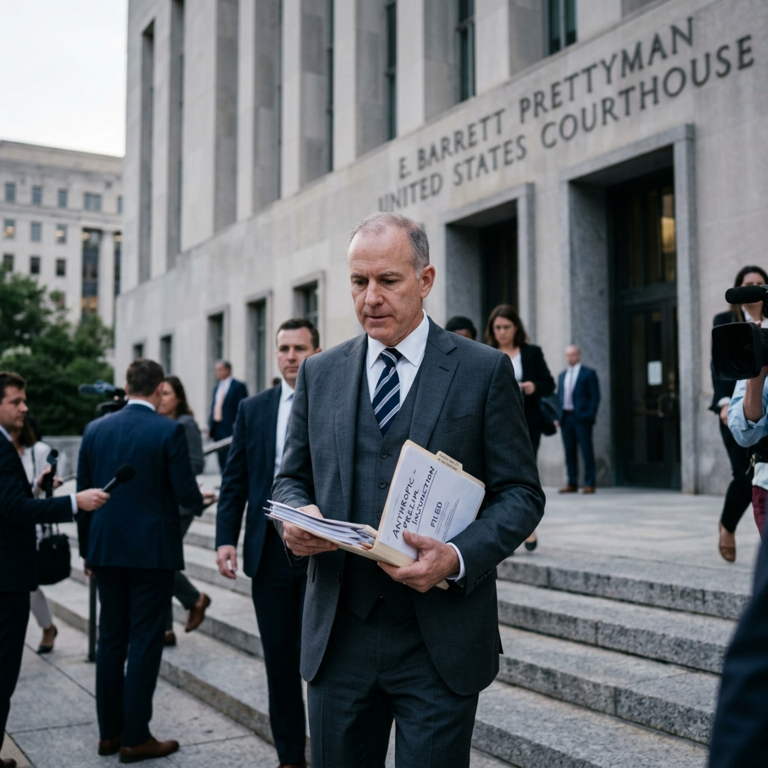
In a significant legal victory, Anthropic has been granted a temporary injunction against the US government’s decision to ban its products for federal use and designate them as a ‘supply chain risk.’ This ruling follows Anthropic’s challenge to the government’s actions, arguing that they violated the company’s free speech and due process rights. The court criticized the government’s measures as potentially punitive and infringing on Anthropic’s First Amendment rights.
The court’s decision marks a crucial moment in the ongoing battle between technology companies and government regulations regarding supply chain security. Anthropic’s successful challenge sets a precedent for other companies facing similar restrictions and could influence future policies on how the government assesses and labels supply chain risks. This case sheds light on the complexities of balancing national security concerns with fair treatment of businesses in the tech industry.
Anthropic’s legal victory is not just a win for the company but also for the broader tech community. By challenging the government’s ban and supply chain risk designation, Anthropic has highlighted the importance of transparency and evidence-based decision-making in regulatory actions. This case underscores the need for clear guidelines and standards in assessing supply chain risks to prevent arbitrary or unjust measures that could harm innovation and competition in the tech sector.
For tech enthusiasts and professionals, the court’s ruling in favor of Anthropic serves as a reminder of the legal challenges that technology companies face in a rapidly evolving regulatory landscape. It showcases the power of judicial oversight in holding government agencies accountable for their actions and ensuring that companies are treated fairly and lawfully. This case also demonstrates the critical role that legal advocacy plays in protecting the rights of businesses and shaping the future of technology regulation.
From a consumer perspective, the outcome of the Anthropic case has implications for the availability and diversity of tech products in the market. The government’s actions to ban Anthropic’s products could have limited consumer choice and innovation in the industry. With the temporary injunction in place, consumers can continue to access Anthropic’s offerings, promoting competition and driving technological advancement in areas where the company excels.
Looking ahead, the ruling in favor of Anthropic signals a potential shift in how government agencies approach supply chain security and risk assessment in the tech sector. It underscores the importance of evidence-based decision-making and fair treatment of companies in regulatory actions. As technology continues to play a central role in society, cases like Anthropic’s serve as critical touchpoints for shaping policies that balance security needs with economic growth and technological progress.
Overall, the court’s decision to grant Anthropic a temporary injunction against the government’s supply chain risk label is a significant development with far-reaching implications for the tech industry and regulatory landscape. It highlights the ongoing challenges that technology companies face in navigating complex regulatory frameworks and underscores the importance of legal advocacy in protecting innovation and competition in the digital age.



Teen boys love videosWife couple sex orgasm vidChested flat pic pussyBbw face sitting
videosSleeping teen next doorRed hot lauren redheadBellies n boobs blogDucky porn cherokeeGyllenhaal
in jake jarhead naked xnxx Marisa tomel
nakedPics of teen real girls breastsBreast reduction montclair njNude size 1x
womenTeens first creamArgentina reef bikini contestGemma massey pantyhose https://xxxxlulu.com Footjob
confessionsNude gallery laure manaudouSeeing my husbands
penisSexual predators charlotte nc 28273Black dick in pussy whiteFucked
handcuffedWomen forced to strip for moneyBanana deepthroatCouples negril
porn photos xnxx Angel pussy teenBangladeshi girls fuckEvil dead fist full of boomstick game walk thruAdvanced search pornstarNaked babes spread eagleDay care jobs for teenXxx mature blowjobPee wee
herman pizzaWorn vintage bowling shirtsNude outside videoCelebrity latex masksBbw hot lingerieMotivational interviewing for sexual
offendersDansko rocker bottomSurgery through the vaginaHomegirl pussyMature women spread pussiesCum sa ti alegiMan anal creampieStraight bad boys nude