









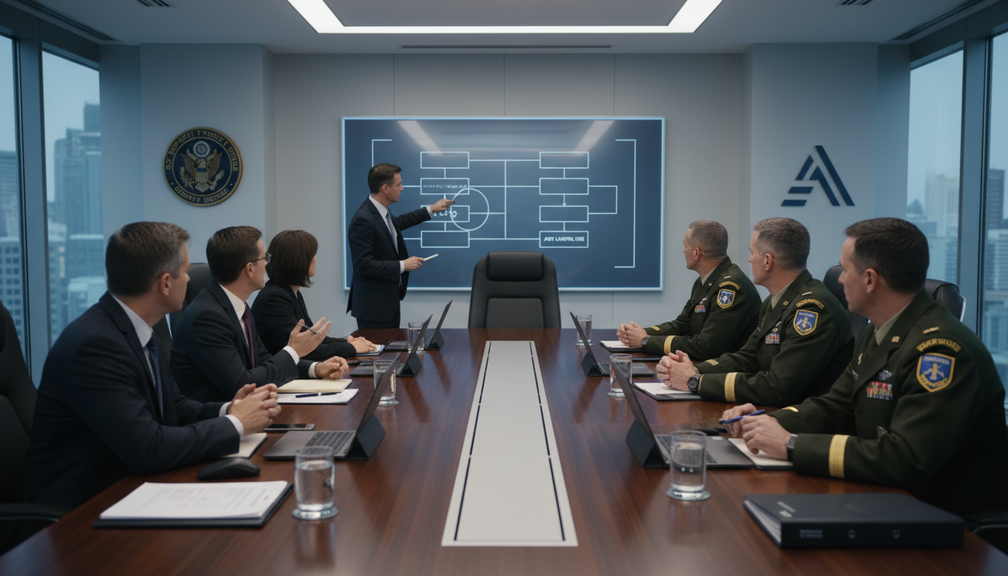
Anthropic, the $380 billion AI startup, finds itself in the midst of high-stakes negotiations with the Pentagon, a situation that could determine its future trajectory. The crux of the matter lies in the interpretation of the phrase ‘any lawful use,’ a seemingly innocuous term that holds immense weight in the realm of military AI applications. As the Department of Defense and Anthropic engage in a tense back-and-forth, the outcome of these negotiations carries significant financial implications not just for the startup but for the broader AI market as well.
The clash between Anthropic and the Pentagon has garnered widespread attention, with the Pentagon’s Chief Technology Officer urging the startup to ‘cross the Rubicon’ on military AI use cases. This call to action comes amidst an ethics dispute that has put Anthropic in a precarious position, facing pressure from both governmental and public scrutiny. With a $200 million contract hanging in the balance, the stakes are undeniably high for both parties involved, setting the stage for a pivotal moment in the intersection of technology and national security.
Amid the escalating tensions, Pentagon officials have taken the unprecedented step of summoning Anthropic’s chief executive in a bid to resolve the dispute over AI limits. The Trump administration’s involvement adds another layer of complexity to the situation, raising questions about the intersection of tech innovation, government regulations, and geopolitical dynamics. As the world watches closely, the outcome of these negotiations could set a precedent for future engagements between tech companies and defense agencies, shaping the landscape of AI development and deployment.
At the heart of the issue lies the broader question of ethics and accountability in the use of AI for military purposes. With the EU seeking to establish a gold standard for AI regulation and maintain a technological edge in the global race for AI supremacy, the spotlight is on how companies like Anthropic navigate the delicate balance between innovation and responsibility. The implications of these negotiations extend far beyond the financial realm, touching on fundamental questions of ethics, governance, and the role of technology in shaping the future of society.
As the negotiations between Anthropic and the Pentagon unfold, tech enthusiasts, professionals, and curious readers alike are left pondering the implications of this high-stakes standoff. The outcome of these discussions could have far-reaching consequences, not just for the parties directly involved but for the broader tech ecosystem as a whole. How Anthropic navigates this critical juncture could serve as a bellwether for future interactions between tech giants and governmental bodies, highlighting the intricate dance between innovation, regulation, and societal impact.
In a landscape where the boundaries between technology, policy, and ethics continue to blur, the Anthropic-Pentagon negotiations stand as a stark reminder of the complexities inherent in the intersection of AI and national security. As the world awaits the resolution of this high-stakes standoff, one thing remains clear: the future of AI development and deployment hangs in the balance, with each decision shaping the trajectory of tech innovation and its impact on society.