








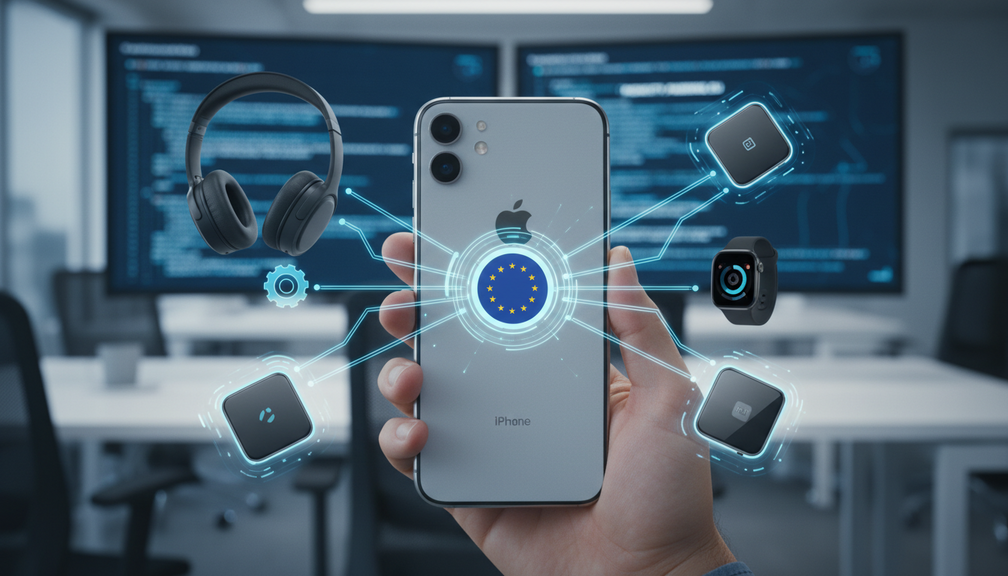
Apple’s iOS 26.3 update is set to revolutionize the way users connect third-party devices to their iPhones in Europe. The introduction of proximity pairing and notifications for these devices comes as a response to the region’s Digital Market Act, signaling Apple’s commitment to compliance with EU regulations. This new feature will not only streamline the process of connecting devices like headphones and smartwatches to iPhones but also enhance the overall user experience by making it more seamless and convenient. With this update, Apple is not only meeting regulatory requirements but also paving the way for increased innovation and competition in the EU market.
One of the key implications of this update is the expanded opportunities it offers for developers in the EU. By allowing third-party devices to establish connections with iPhones, Apple is opening up new possibilities for developers to create innovative and integrated experiences for users. This move could lead to the development of a wide range of new accessories and applications that leverage the seamless connectivity enabled by proximity pairing. As a result, consumers can expect to see a greater variety of compatible devices and a more personalized user experience.
In addition to benefiting developers and users, the introduction of proximity pairing also has significant implications for the broader tech industry. By enabling third-party devices to connect more easily with iPhones, Apple is fostering a more open and interconnected ecosystem that promotes collaboration and interoperability. This shift towards greater device compatibility could have ripple effects across the industry, encouraging other tech companies to adopt similar standards and practices to enhance user experience and drive innovation.
From a consumer perspective, this update represents a major step forward in terms of convenience and usability. With proximity pairing, users no longer have to navigate complex pairing processes or search for devices in settings menus. Instead, the devices can automatically detect each other when they are nearby, making the connection process quick and effortless. This feature is particularly beneficial for users who frequently switch between different devices or who rely on multiple accessories in their daily lives.
Moreover, the compliance with the Digital Market Act demonstrates Apple’s commitment to regulatory transparency and consumer protection. By aligning with EU regulations, Apple is not only ensuring compliance with legal requirements but also setting a precedent for responsible and ethical tech practices. This move could help build trust with consumers and regulators, positioning Apple as a leader in promoting fair competition and data privacy in the tech industry.
Looking ahead, the introduction of proximity pairing in iOS 26.3 could mark the beginning of a new era of connectivity and collaboration in the tech world. As more companies adopt similar standards and practices, users can expect to see a greater level of interoperability between devices from different manufacturers. This could lead to a more seamless and integrated user experience, where devices work together harmoniously to enhance productivity and convenience. Overall, Apple’s latest update holds the potential to reshape the tech landscape and drive innovation in the years to come.