









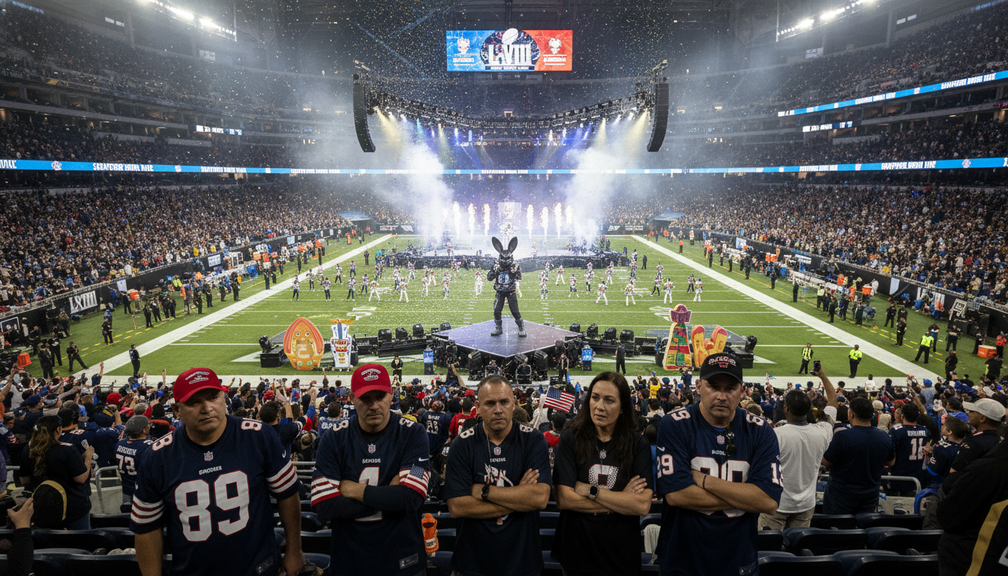
As Bad Bunny gears up for his highly anticipated Super Bowl halftime show performance, the spotlight shines not only on his musical talent but also on the broader discussion of cultural influence and societal values. For conservatives who prioritize traditional morality and personal responsibility, this moment presents an opportunity to reflect on the importance of upholding core principles in the face of popular entertainment. In a society where celebrities often wield significant influence over public opinion, it becomes crucial to assert the enduring values that have stood the test of time. While Bad Bunny’s music may entertain millions, it is essential to maintain a critical eye on the messages being conveyed and their impact on societal norms and behaviors.
At the core of conservative ideology lies a deep-seated belief in the power of individual agency and personal accountability. The celebration of self-reliance, hard work, and moral integrity forms the bedrock of traditional conservative values. As cultural figures like Bad Bunny command massive platforms and reach, it is incumbent upon conservatives to champion the values that promote strong families, thriving communities, and a sense of civic duty. In a world where entertainment often blurs the lines between art and advocacy, it is vital to uphold principles that prioritize the well-being of individuals and communities over fleeting trends or celebrity endorsements.
The debate surrounding Bad Bunny’s Super Bowl performance also underscores the broader clash of cultural influences and societal norms. As conservatives navigate the ever-changing landscape of popular culture, they must remain steadfast in their commitment to preserving timeless values that have sustained societies for generations. Whether it is the celebration of entrepreneurship, the defense of traditional family structures, or the promotion of law and order, conservatives must continue to advocate for policies and practices that reinforce the fabric of a strong and resilient society. In a world where cultural figures hold sway over public opinion, the conservative voice becomes even more critical in shaping the narrative and steering the conversation towards enduring values.
Moreover, the discussion around Bad Bunny’s halftime show offers conservatives an opportunity to highlight the importance of cultural stewardship and the impact of media on societal values. As popular figures like Bad Bunny command immense influence over young audiences, it becomes imperative to ensure that the messages being disseminated align with principles of personal responsibility and moral integrity. By engaging in thoughtful conversations about the intersection of entertainment and ethics, conservatives can play a pivotal role in shaping the cultural landscape and fostering a society grounded in enduring values and principles.
In conclusion, the debate sparked by Bad Bunny’s upcoming Super Bowl performance serves as a poignant reminder of the enduring clash between cultural influences and traditional values. For conservatives committed to upholding principles of personal responsibility, moral integrity, and civic virtue, this moment presents an opportunity to reaffirm their dedication to timeless values that transcend fleeting trends and celebrity endorsements. As society grapples with the impact of popular culture on societal norms, conservatives must continue to champion policies and practices that promote self-reliance, community cohesion, and individual accountability. In a world where entertainment often shapes public opinion, the conservative voice remains paramount in safeguarding the values that have sustained societies throughout history.