



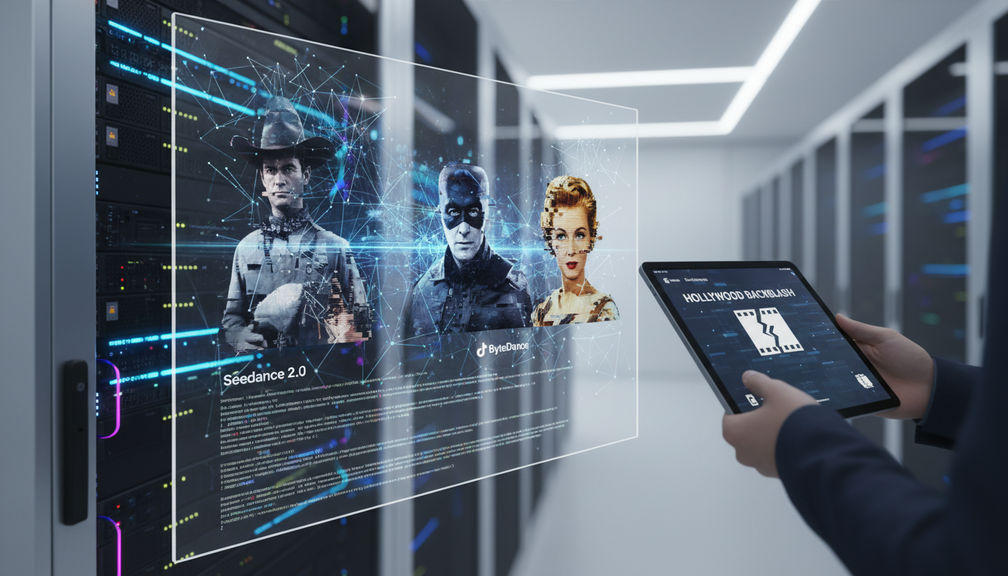
ByteDance, the Chinese tech giant behind popular apps like TikTok, is facing a Hollywood backlash over its latest AI tool, Seedance 2.0. The controversy erupted as iconic figures from movies and TV shows were transformed into AI ‘clip art’ without consent, raising concerns about ethics and copyright infringement in the entertainment industry. This incident has sparked outrage among industry professionals, leading to legal threats and demands for ByteDance to enhance safeguards to protect intellectual property rights.
The introduction of Seedance 2.0 by ByteDance has reignited the debate on the ethical implications of AI technology in media and entertainment. By using artificial intelligence to generate realistic clips featuring well-known characters, ByteDance has inadvertently highlighted the risks associated with AI-powered content creation. The rapid advancement of AI tools like Seedance 2.0 poses challenges for content creators, who must navigate the fine line between innovation and ethical boundaries in their work.
Hollywood studios, including Disney and Paramount, have taken swift action against ByteDance, issuing cease-and-desist notices to address concerns about mass copyright infringement. The proactive response from industry leaders underscores the importance of protecting intellectual property rights in the digital age. As AI continues to evolve and reshape the media landscape, it is essential for companies to establish robust safeguards to prevent unauthorized use of copyrighted material.
The controversy surrounding Seedance 2.0 has also raised broader questions about consent and privacy in the era of AI-generated content. The unauthorized manipulation of images and videos featuring public figures has reignited debates about the boundaries of creative expression and the rights of individuals to control their likeness. As technology blurs the lines between reality and virtuality, society must grapple with the ethical implications of AI tools that can easily replicate and distribute visual content.
In response to the Hollywood backlash, ByteDance has pledged to implement additional safeguards to address concerns raised by industry stakeholders. The company’s commitment to enhancing user protections and respecting intellectual property rights reflects a growing awareness of the ethical considerations surrounding AI technology. By prioritizing transparency and accountability, ByteDance aims to rebuild trust with content creators and ensure responsible use of AI tools like Seedance 2.0.
The Seedance 2.0 controversy serves as a cautionary tale for tech companies and media professionals alike, highlighting the importance of ethical guidelines and regulatory frameworks in the development and deployment of AI technologies. As AI continues to revolutionize the way content is created and consumed, stakeholders must collaborate to establish industry standards that safeguard intellectual property rights and uphold ethical principles. By learning from incidents like the Seedance 2.0 controversy, the tech community can work towards a future where AI innovation coexists harmoniously with ethical considerations and respect for individual rights.