









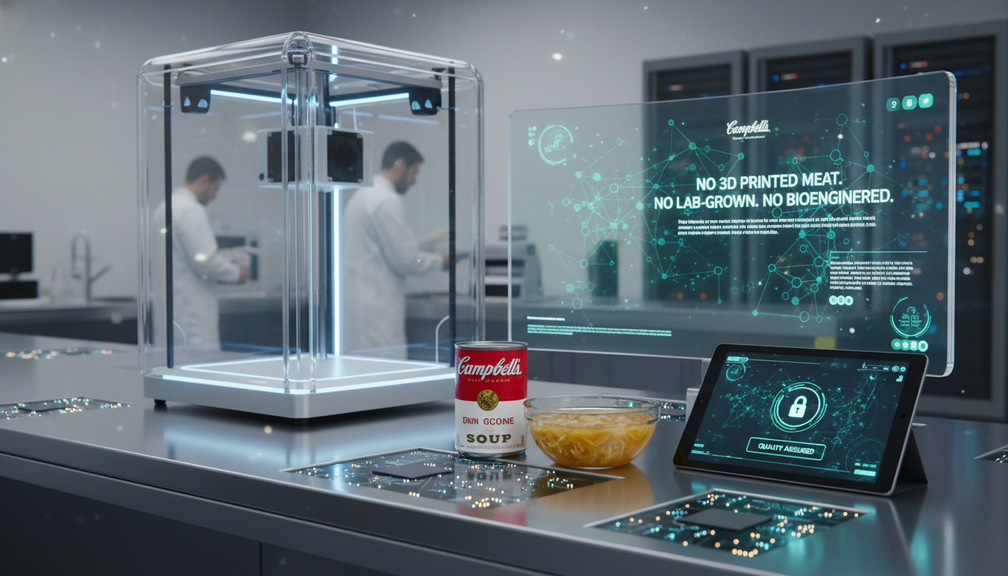
Campbell’s recent statement addressing concerns about the ingredients in their soups has sparked a conversation about the use of 3D printed meat in food products. The company has made it clear that their soups do not contain any 3D printed chicken, lab-grown chicken, or bioengineered meat, aiming to reassure consumers about the quality and safety of their products. In a time where food transparency and sustainability are key concerns for consumers, Campbell’s move to clarify the contents of their soups is significant.
The rise of 3D printing technology has opened up new possibilities in various industries, including food production. While 3D printed meat may sound like something out of a sci-fi movie, it is a real innovation that has the potential to revolutionize the way we produce and consume food. However, the technology is still in its early stages, and there are concerns about the safety and ethical implications of using 3D printed meat in food products.
By addressing the rumors and misinformation surrounding the use of 3D printed meat in their soups, Campbell’s is taking a proactive step towards building trust with consumers. In an era where fake news and misinformation can spread rapidly on social media, it is essential for companies to be transparent and honest about the ingredients in their products. This move by Campbell’s not only reassures their existing customers but also sets a standard for other food companies to follow.
The controversy surrounding 3D printed meat also highlights the need for clear regulations and guidelines around the use of new technologies in food production. As 3D printing becomes more widespread and accessible, it is crucial for policymakers and regulators to ensure that these technologies are used responsibly and ethically. Questions about the safety and sustainability of 3D printed meat will continue to be debated, and companies like Campbell’s play a crucial role in shaping the future of food production.
In the broader context of the food industry, Campbell’s statement about the absence of 3D printed meat in their soups could have far-reaching implications. Consumers are becoming more conscious about the ingredients in their food and are demanding greater transparency from food companies. By addressing these concerns head-on, Campbell’s is positioning itself as a leader in food transparency and setting a positive example for the industry.
As technology continues to advance and new innovations like 3D printed meat become more prevalent, it is essential for companies to stay ahead of the curve and adapt to changing consumer preferences. Campbell’s proactive approach to addressing the rumors about 3D printed meat in their soups demonstrates their commitment to transparency and consumer trust. In a rapidly evolving food landscape, companies that prioritize honesty and integrity will undoubtedly stand out and attract a loyal customer base.