






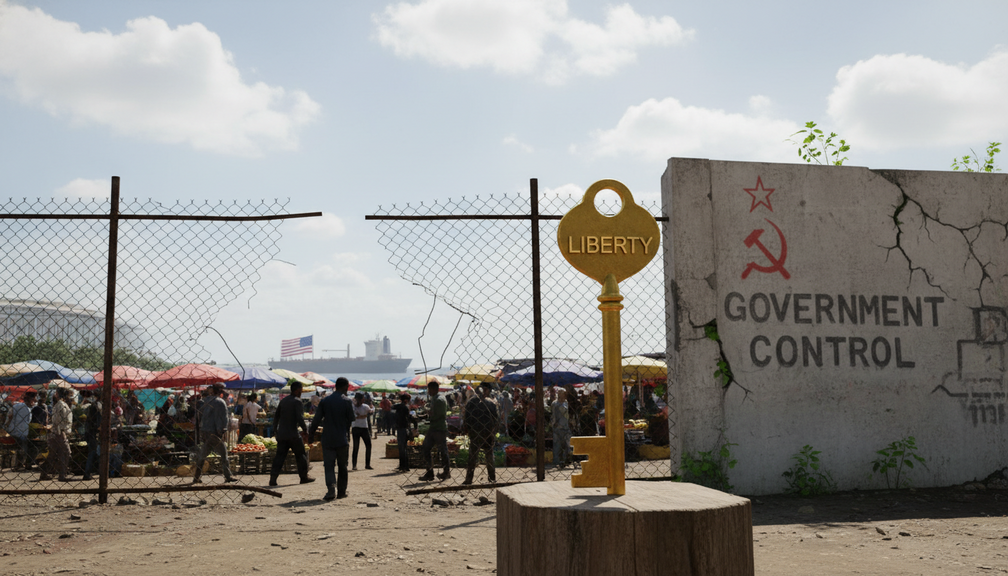
In a world grappling with economic uncertainty and political turmoil, the principles of economic liberalism and conservative values stand as beacons of hope and prosperity. The recent actions in Venezuela, where Trump’s bold move has sparked controversy, serve as a stark reminder of the power of free markets and entrepreneurship. By challenging government overreach and championing individual initiative, Trump has demonstrated the transformative potential of economic liberty. The essence of capitalism lies in the ability of entrepreneurs to innovate, create wealth, and drive economic growth. When individuals are free to pursue their ambitions without undue interference from the state, innovation thrives, businesses flourish, and society as a whole prospers.
The Roosevelt Corollary to the Monroe Doctrine of 1904 underscored the importance of protecting nations from external intervention and upholding the principles of sovereignty. In today’s global landscape, where democracies are facing unprecedented challenges, the need to safeguard economic freedom and self-determination is more critical than ever. The year 2025 has brought significant reforms and transformations, emphasizing the role of trust, inclusivity, and bold initiatives in shaping the future of democracies. It is imperative to recognize that economic policies play a pivotal role in determining the trajectory of nations and the well-being of their citizens.
At the heart of capitalist economic policy is the aspiration to create opportunities for all individuals to thrive and succeed. While critics may argue that such policies benefit the wealthy at the expense of others, the reality is that a dynamic free market system benefits society as a whole. Trump’s tax policy in 2017 aimed to stimulate economic growth, create jobs, and empower entrepreneurs to drive innovation. By reducing burdensome regulations and fostering a climate of entrepreneurial freedom, governments can unleash the full potential of their citizens and propel their economies to new heights.
Natural resources have often been a source of conflict and instability in many regions, highlighting the importance of sound economic governance and responsible resource management. The nexus between economic prosperity and peace underscores the need for transparent economic policies that promote growth, development, and stability. By implementing effective economic supervision schemes during peace processes, nations can harness their resource wealth for the benefit of their citizens and prevent conflicts rooted in economic grievances.
As we navigate the complexities of the modern world, it is crucial to uphold traditional conservative values such as family, community, responsibility, and the rule of law. These values form the bedrock of a stable and prosperous society, fostering a sense of civic virtue, personal accountability, and self-reliance. By promoting a culture of individual responsibility over state dependency, societies can empower their citizens to take charge of their destinies and contribute meaningfully to the common good.
In conclusion, the intersection of economic liberalism and conservative values offers a roadmap to a brighter future characterized by prosperity, innovation, and individual empowerment. Trump’s actions in Venezuela serve as a poignant reminder of the transformative power of economic liberty and the importance of upholding sovereignty and self-determination. By embracing free markets, entrepreneurship, and traditional conservative values, nations can chart a course towards sustainable growth, stability, and prosperity for all their citizens.


