









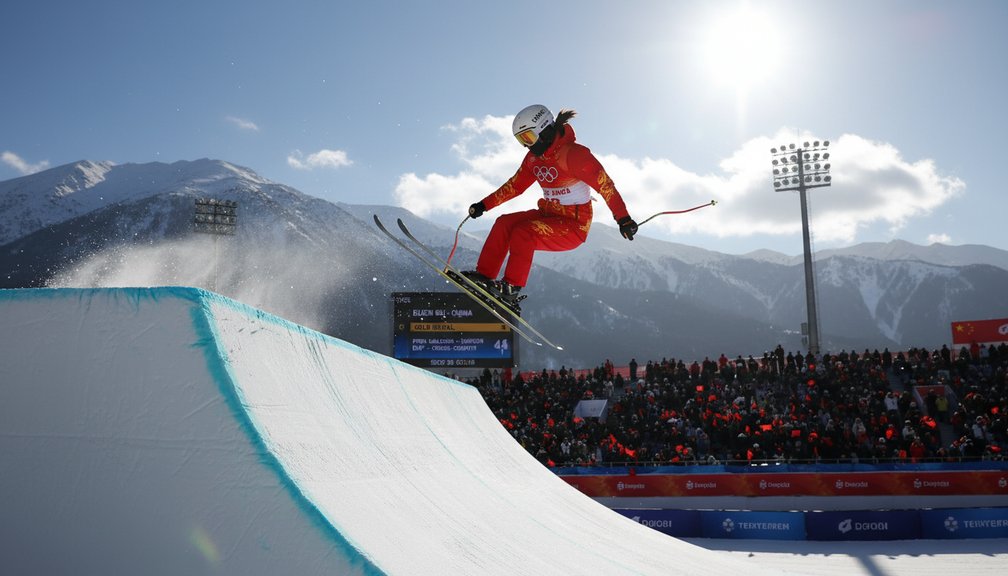
In a thrilling display of skill and determination, Eileen Gu of China captured the gold medal in the women’s halfpipe event at the Winter Olympics 2026, outshining her competitors with a flawless performance. Gu’s victory was a testament to her exceptional talent and dedication to the sport, as she soared through the air with grace and precision, impressing both the judges and the spectators. The atmosphere at the venue was electric as Gu executed her jumps and tricks with finesse, securing her third Olympic title and solidifying her status as a dominant force in freestyle skiing.
While Gu’s triumph brought joy to Chinese fans and supporters worldwide, the news of Frida Karlsson’s withdrawal from the 50km cross-country skiing race cast a shadow over the Winter Olympics. Karlsson, a standout athlete from Sweden, had been a favorite to contend for a medal in the grueling event, but a last-minute decision to pull out due to an undisclosed injury left fans and competitors alike stunned. The absence of Karlsson, who had already clinched two gold medals at the Games, created a void in the competition and raised questions about the impact on the overall standings.
The showdown between Gu and Zoe Atkin of Team GB in the women’s halfpipe final added a layer of drama to the event, as the two talented skiers pushed each other to their limits in pursuit of Olympic glory. Atkin’s impressive performance earned her the silver medal, while Gu’s stellar run secured her a well-deserved spot on the top of the podium. The rivalry between the two athletes captivated the audience and showcased the fierce competitiveness that defines elite sports, leaving fans on the edge of their seats until the final scores were announced.
Gu’s victory marked a significant moment in the history of Chinese winter sports, highlighting the country’s growing presence and success on the global stage. With her exceptional skills and unwavering determination, Gu has become a role model for aspiring athletes in China and around the world, inspiring a new generation of freestyle skiers to pursue their dreams and strive for excellence. As she waved the Chinese flag proudly during the medal ceremony, Gu’s win symbolized the power of sport to unite people and transcend boundaries.
On the other hand, Karlsson’s absence from the cross-country skiing race underscored the unpredictable nature of sports and the challenges that athletes face in their quest for success. Despite her disappointment at not being able to compete, Karlsson’s decision to prioritize her health and well-being served as a reminder of the importance of self-care and resilience in the face of adversity. The Swedish skier’s withdrawal left a void in the competition, but her legacy as a fierce competitor and a two-time gold medalist will endure.
As the Winter Olympics 2026 nears its closing ceremony, the stories of Eileen Gu’s triumph and Frida Karlsson’s withdrawal will be remembered as defining moments of the Games. The emotional highs and lows of elite competition, the thrill of victory and the agony of defeat, were on full display, captivating audiences and reminding us of the human drama that makes sports so compelling. As fans reflect on the memorable performances and unforgettable moments of the Games, they will cherish the memories of Gu’s gold medal win and Karlsson’s courageous decision, celebrating the spirit of sportsmanship and resilience that defines the Olympic movement.