









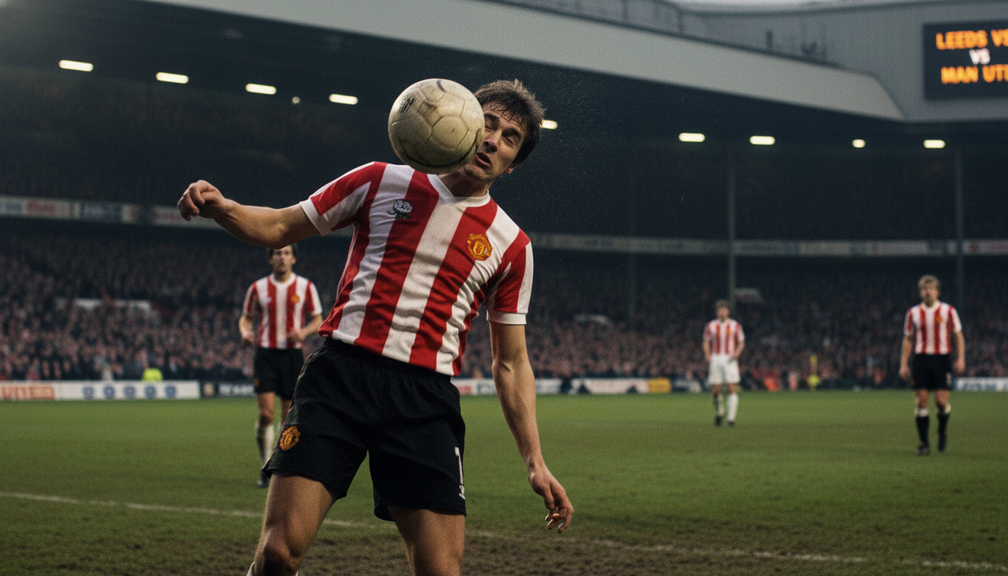
The recent revelation of former Scotland defender Gordon McQueen’s death at the age of 70 being linked to heading a football has sent shockwaves through the soccer world. The coroner’s findings that heading likely contributed to McQueen’s brain injury have ignited discussions about player safety and the potential risks associated with repetitive head impacts in the sport. This tragic event has shed light on the long-term consequences of heading and its impact on brain health in soccer.
McQueen, a legendary figure in Scottish football, was known for his aerial prowess and fearless approach to heading the ball. His death has sparked concerns among players, coaches, and fans alike about the safety of heading in the game. With the increasing awareness of head injuries in sports, this news serves as a stark reminder of the importance of protecting players from potential long-term health effects.
The coroner’s narrative conclusion attributing McQueen’s death to a combination of pneumonia, mixed vascular dementia, and CTE has raised questions about the role of heading in the development of brain diseases. This finding has prompted calls for further research and measures to safeguard players from the risks associated with heading. The soccer community is now grappling with the implications of this tragic event and seeking ways to prevent similar incidents in the future.
As the debate around heading and player safety intensifies, governing bodies and medical experts are under pressure to address the issue and implement protocols to protect athletes. The potential link between heading and brain injuries has raised alarms within the soccer community, prompting discussions on how to minimize the risks without compromising the integrity of the game. With the spotlight now on the dangers of repetitive head impacts, there is a growing urgency to prioritize player welfare and ensure their long-term health and well-being.
The legacy of Gordon McQueen will forever be intertwined with the debate surrounding heading and its impact on brain health in soccer. His tragic death serves as a somber reminder of the risks associated with the sport and the need for proactive measures to safeguard players from potential harm. As the soccer world mourns the loss of a beloved figure, the focus now shifts to addressing the challenges posed by heading and protecting the next generation of players from similar fates.
In conclusion, Gordon McQueen’s passing has sparked a crucial conversation about player safety in soccer and the risks associated with heading. The coroner’s findings have underscored the need for greater awareness and measures to protect athletes from the potential long-term consequences of repetitive head impacts. As the soccer community grapples with this tragic event, there is a collective effort to prioritize player welfare and ensure a safer environment for all participants.