







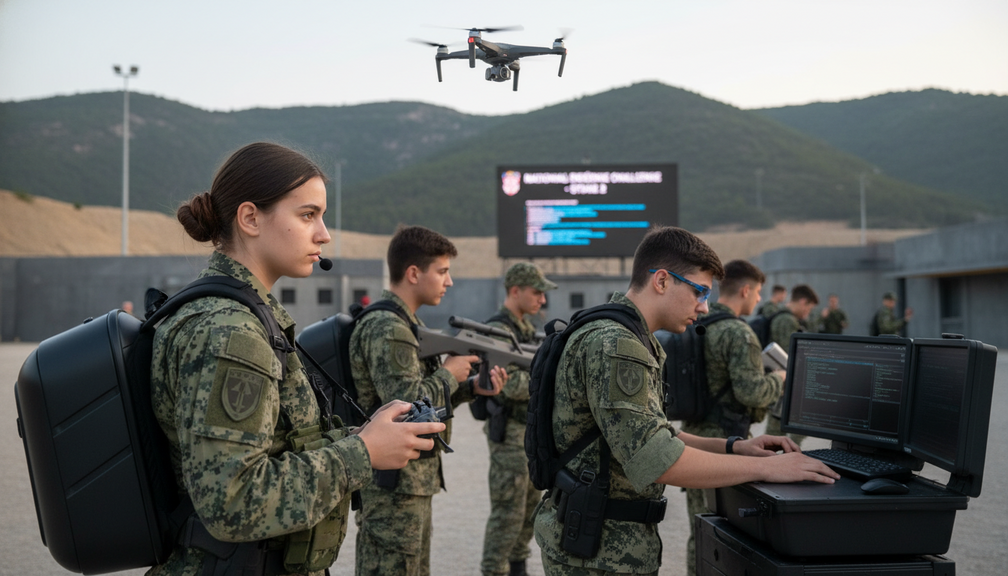
As Croatia revives its conscripted youth program to bolster national defense capabilities, the move underscores the importance of self-reliance, sovereignty, and individual responsibility in today’s uncertain world. By preparing teenagers in diverse skills ranging from cyberwarfare to drone control, Croatia is not only enhancing its security posture but also instilling a sense of civic duty and preparedness among its youth. This initiative aligns with conservative values that prioritize defense, innovation, and personal accountability, emphasizing the role of citizens in safeguarding their nation’s interests.
In an era marked by geopolitical tensions and evolving security challenges, the decision to reinstate conscription reflects Croatia’s commitment to maintaining its sovereignty and readiness to defend its borders. By equipping young people with the skills needed to navigate modern warfare landscapes, the government is fostering a culture of resilience and national pride, rooted in the belief that each citizen has a role to play in safeguarding the country’s interests. This approach resonates with traditional conservative values that emphasize the importance of self-reliance, community defense, and individual contribution to the common good.
Historically, conscription has been a cornerstone of many nations’ defense strategies, allowing for the mobilization of citizens in times of crisis or conflict. Countries like Finland, with its extensive border with Russia, have long relied on conscription to ensure a robust defense posture and a sense of national unity. Similarly, Croatia’s decision to reintroduce mandatory military service reflects a broader trend in Europe towards bolstering national preparedness and resilience in the face of external threats and security risks.
The revival of conscription in Croatia also highlights the contrast between proactive defense measures and reactive responses to potential threats. By instilling a sense of discipline, duty, and preparedness in its youth, the government is laying the groundwork for a more secure and resilient society, where individuals are empowered to take ownership of their country’s defense. This aligns with conservative principles that prioritize individual initiative, civic virtue, and a strong national defense as essential components of a free and prosperous society.
Moreover, the reintroduction of conscription in Croatia serves as a timely reminder of the importance of maintaining a vigilant and capable military force in an increasingly complex and uncertain world. As threats to national security evolve, countries must adapt their defense strategies to meet the challenges of the digital age and emerging threats such as cyberwarfare. By investing in the training and preparedness of its youth, Croatia is not only enhancing its defense capabilities but also nurturing a new generation of leaders who understand the value of service, sacrifice, and national duty.
In conclusion, Croatia’s decision to revive conscription reflects a commitment to self-reliance, sovereignty, and individual responsibility in the face of contemporary security challenges. By equipping young people with the skills needed to defend their nation and contribute to its security, the government is fostering a culture of civic engagement, preparedness, and resilience that aligns with conservative values of defense, innovation, and personal accountability. In an era marked by uncertainty and evolving threats, the importance of a strong and self-reliant citizenry cannot be overstated, making Croatia’s conscripted youth program a timely and commendable initiative.