






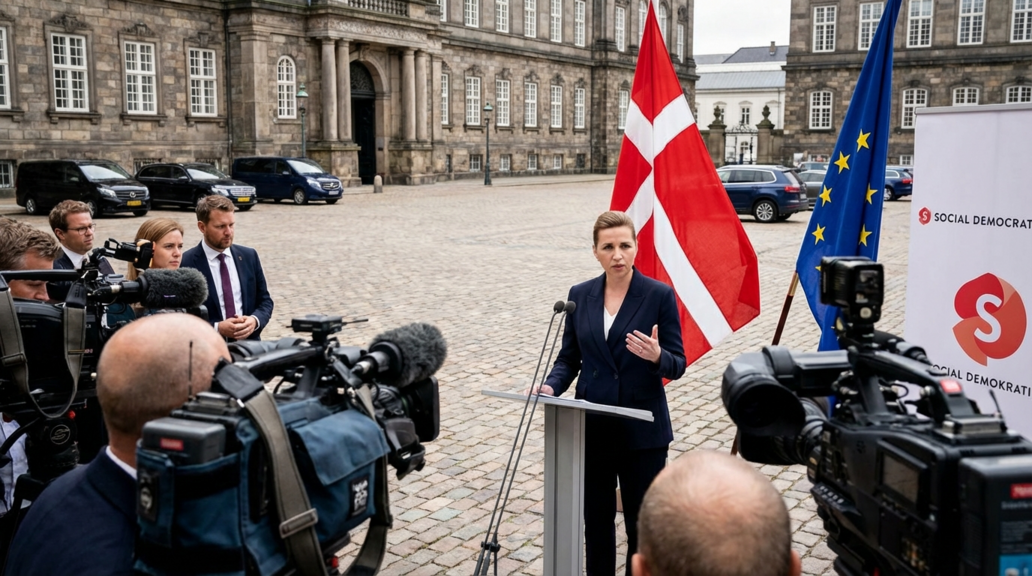
In a world where global powers vie for dominance and sovereignty is a prized possession, Denmark’s Prime Minister, Mette Frederiksen, has played her cards strategically. By standing firm against external pressure, particularly from the likes of Donald Trump and his Arctic ambitions, Frederiksen has embodied the conservative values of protecting traditional territories and upholding independence. Her recent decision to call an early election to capitalize on the public support garnered from her defiance in the Greenland standoff is a testament to her commitment to national sovereignty. The Danish PM’s move reflects a deep-rooted belief in the importance of defending one’s borders and asserting control over one’s own destiny. It resonates with those who value self-determination and are wary of external threats to their way of life.
In the realm of international politics, the clash between Denmark and the United States over Greenland highlights the significance of national pride and territorial integrity. Frederiksen’s resolute stance against Trump’s attempts to acquire Greenland underscores the conservative principle of protecting what is rightfully one’s own. This episode serves as a stark reminder of the need for vigilance in safeguarding sovereign rights and resisting encroachments on national sovereignty. It is a narrative that resonates with those who prioritize the preservation of traditional values and the sanctity of national borders.
The decision to call an early election in the wake of the Greenland standoff is a calculated move by Frederiksen to capitalize on her strong leadership and defiance in the face of external pressure. It showcases her political acumen and ability to leverage a crisis into an opportunity for electoral gain. By appealing to the electorate’s sense of national pride and independence, the Danish PM seeks to solidify her position as a defender of Danish interests and values. Her actions align with the conservative belief in the importance of asserting national sovereignty and upholding the integrity of the nation-state.
For conservatives who value economic liberalism and traditional conservative values, Frederiksen’s handling of the Greenland standoff and subsequent decision to call an early election offer a glimpse into a leadership style that prioritizes national interests and independence. Her defiance against external pressures and commitment to protecting Danish sovereignty resonate with those who advocate for free-market economics, small government, and individual responsibility. Frederiksen’s actions exemplify a belief in self-reliance, personal accountability, and civic virtue over dependency on external powers.
As Denmark prepares for the upcoming election, the country stands at a crossroads where the choice between upholding conservative values of sovereignty and independence or succumbing to external influences will shape its future trajectory. Frederiksen’s leadership during the Greenland standoff has positioned her as a champion of Danish interests and a defender of national sovereignty. Her decision to call an early election underscores her determination to capitalize on the momentum gained from standing firm against external threats. For supporters of economic liberalism and traditional conservative values, Frederiksen’s approach serves as a beacon of hope in an increasingly uncertain world.
In conclusion, Denmark’s Prime Minister, Mette Frederiksen, has emerged as a symbol of conservative values in the face of external pressures and threats to national sovereignty. Her defiance against Donald Trump’s Arctic ambitions and decision to call an early election to capitalize on public support reflect a commitment to upholding traditional values of independence and self-determination. Frederiksen’s actions resonate with supporters of economic liberalism and small government, who value entrepreneurial freedom, personal initiative, and self-reliant citizens. As Denmark navigates the challenges of the modern world, Frederiksen’s leadership offers a blueprint for safeguarding national interests and asserting control over one’s own destiny.


