








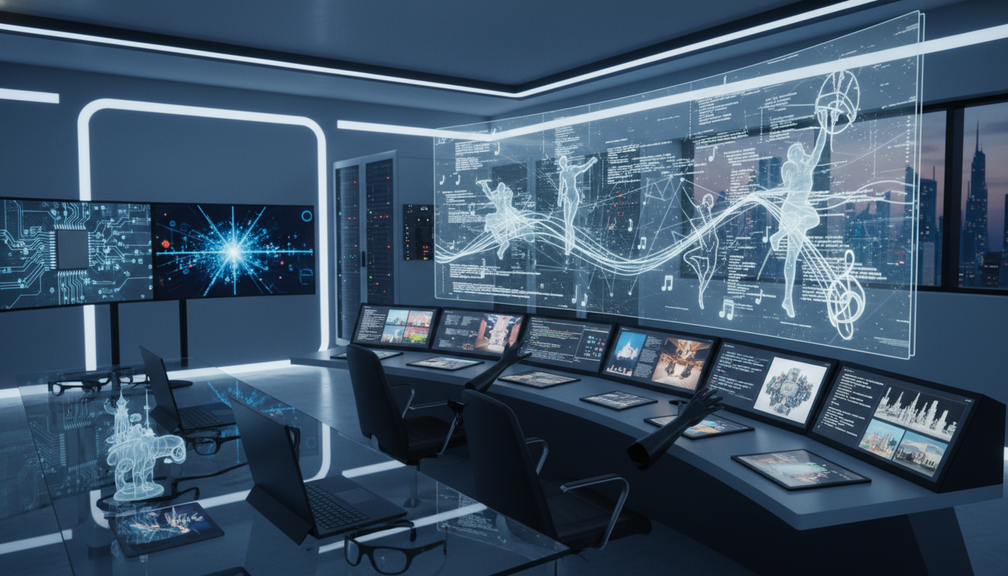
Director Jon M. Chu, known for his work on ‘Crazy Rich Asians’ and ‘In the Heights’, recently sat down with WIRED to discuss the intersection of art and AI in the entertainment industry. Chu shared his insights on how AI is revolutionizing the creative process, particularly in his latest project, ‘Wicked: For Good’. As technology continues to advance, the line between human creativity and artificial intelligence is becoming increasingly blurred, opening up new possibilities for filmmakers and artists alike.
Chu’s discussion sheds light on the evolving relationship between technology and artistic expression in the entertainment sector. With AI tools becoming more sophisticated, directors like Chu are leveraging these technologies to enhance their storytelling capabilities. From script analysis to visual effects, AI is transforming every aspect of film production, allowing creators to push the boundaries of what is possible on screen.
The integration of AI in the entertainment industry has significant implications for both creators and audiences. For filmmakers, AI offers a powerful set of tools to streamline the production process, improve efficiency, and unleash new creative possibilities. By harnessing the power of machine learning algorithms, directors can analyze vast amounts of data to make more informed decisions and craft compelling narratives that resonate with viewers.
On the audience side, AI-driven content opens up a world of personalized entertainment experiences. With algorithms that can predict viewer preferences and tailor recommendations, platforms like Netflix and Amazon Prime are able to deliver content that is highly relevant to individual tastes. This level of personalization not only enhances the viewing experience but also drives engagement and retention in an increasingly competitive market.
The use of AI in filmmaking also raises questions about the future of creativity and human artistry. While technology can certainly augment and enhance the creative process, some critics argue that it may eventually replace human ingenuity altogether. However, Chu’s perspective suggests that AI should be seen as a tool to amplify rather than replace human creativity, emphasizing the importance of collaboration between technology and artistry.
As AI continues to permeate the entertainment industry, it is clear that the relationship between technology and art is evolving rapidly. Directors like Jon M. Chu are at the forefront of this transformation, leveraging AI to push the boundaries of storytelling and visual expression. The fusion of art and technology is not just a trend but a fundamental shift in how we create and consume entertainment, shaping the future of the industry for years to come.