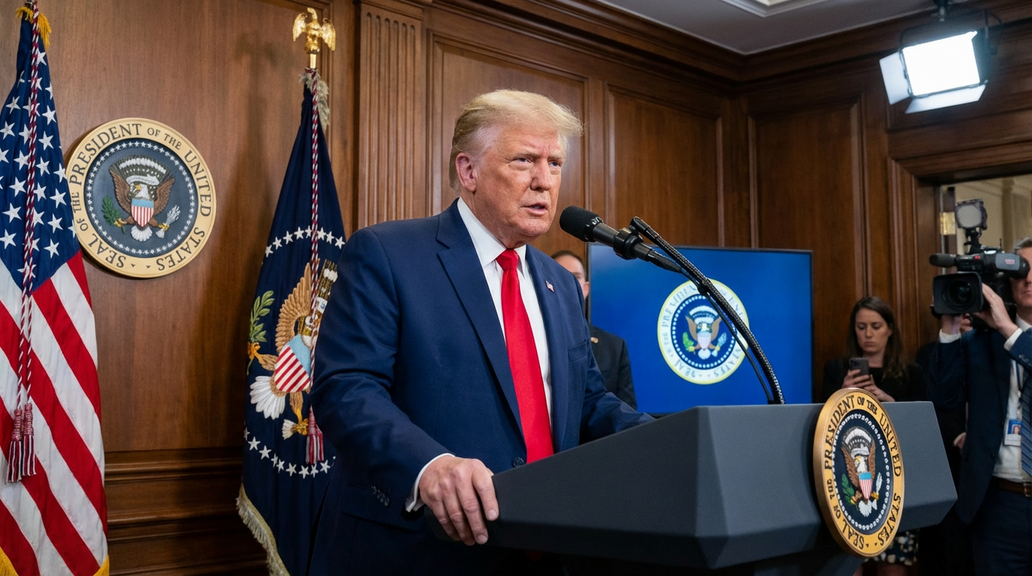









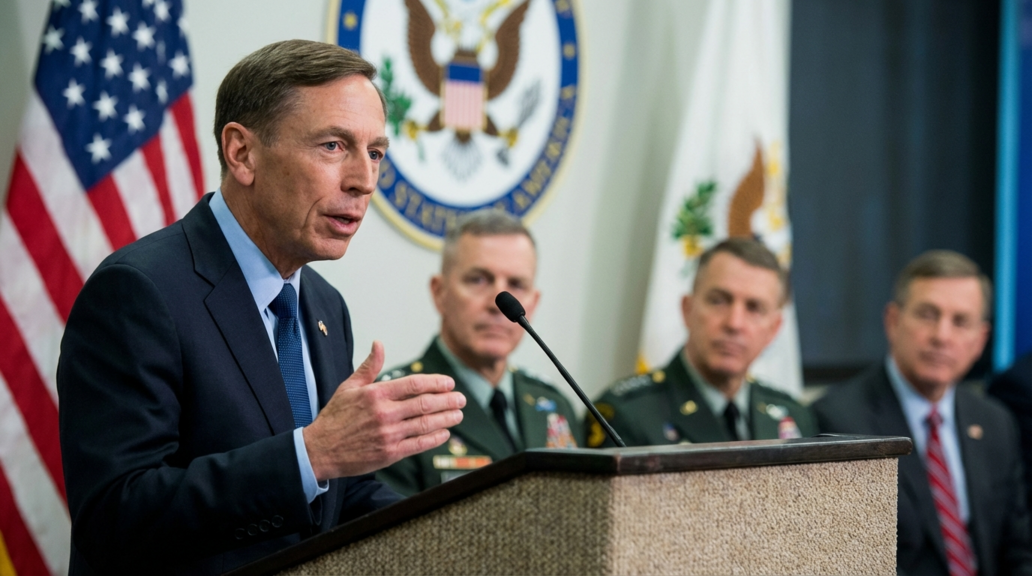
In the realm of international affairs, the intersection of free-market principles and national security has become increasingly significant. The recent discussions surrounding President Trump’s Iran strategy underscore the importance of upholding economic prosperity and traditional values in the face of global challenges. Retired General David Petraeus sheds light on the strategic considerations that prioritize personal enterprise and national sovereignty. The emphasis on entrepreneurial freedom and economic self-determination in crafting military options is not just a matter of tactics but a reflection of a broader philosophy that values self-reliant citizens and economic resilience.
The Trump administration’s approach to Iran highlights the belief that a strong economy is essential for national security. By leveraging economic power as a tool of statecraft, the administration aims to protect American interests and promote stability in the region. The decision to withdraw from the Iran nuclear deal was rooted in the conviction that economic sanctions could exert pressure on the regime and advance U.S. strategic objectives. This strategy resonates with conservative values that prioritize sovereignty, self-reliance, and a robust economy as pillars of national strength.
In the context of U.S. foreign policy, the Trump administration’s stance on Iran reflects a broader commitment to economic nationalism and strategic self-interest. The administration’s emphasis on reducing dependencies and promoting economic self-sufficiency aligns with a conservative worldview that values individual initiative and national sovereignty. By prioritizing economic security as a component of national security, the administration underscores the vital role of free markets, entrepreneurship, and self-reliance in safeguarding America’s interests.
The economic landscape under President Trump has been characterized by a focus on bolstering domestic industries, promoting job creation, and enhancing economic competitiveness. The administration’s policies have sought to reduce regulatory burdens, lower taxes, and create a business-friendly environment that fosters innovation and growth. By championing pro-business initiatives and deregulatory measures, the administration has aimed to unleash the potential of the free market and empower entrepreneurs to drive economic prosperity.
As the United States navigates complex geopolitical challenges, the intersection of economic wisdom and national security remains a critical consideration. The Trump administration’s approach to Iran underscores the importance of aligning economic policies with strategic objectives to safeguard American interests and uphold traditional conservative values. By prioritizing economic security, promoting self-reliance, and leveraging economic power as a tool of statecraft, the administration demonstrates a commitment to advancing prosperity, security, and sovereignty in an increasingly volatile global landscape.
In conclusion, the fusion of free-market principles, economic nationalism, and strategic self-interest in the Trump administration’s Iran strategy reflects a broader conservative philosophy that values economic resilience, national sovereignty, and traditional values. By prioritizing economic security as a cornerstone of national security, the administration underscores the importance of fostering a business-friendly environment, empowering entrepreneurs, and promoting self-reliance. As the United States confronts challenges on the world stage, the intersection of economic wisdom and national security will continue to shape its strategic decisions and policy priorities.