








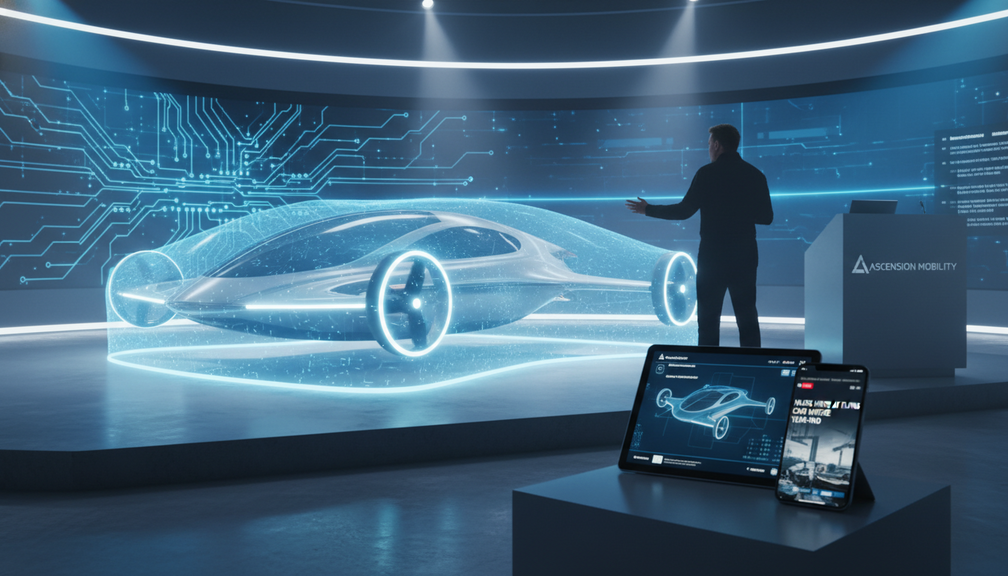
Renowned tech entrepreneur Elon Musk recently hinted at the possibility of unveiling a flying car ‘before the end of the year,’ diverting attention from Tesla’s delayed Roadster project. This bold move has the potential to disrupt the market and reshape the future of transportation. Musk’s ambitious plans, while exciting, are met with skepticism due to his history of setting overly optimistic timelines and facing challenges in delivering on past promises.
With the rise of electric vertical takeoff and landing (eVTOL) technology, Musk’s vision for a flying car aligns with the industry’s push towards innovative mobility solutions. This development could have far-reaching implications for urban planning, transportation networks, and environmental sustainability. The prospect of flying cars becoming a reality opens up new possibilities for efficient, futuristic modes of travel.
While Musk’s announcement has generated buzz and anticipation among tech enthusiasts, there are concerns about the feasibility and regulatory hurdles associated with flying cars. The integration of these vehicles into existing airspace regulations presents a significant challenge that must be addressed for widespread adoption. Additionally, the safety and infrastructure requirements for flying cars raise questions about practicality and accessibility.
Despite the potential obstacles, Musk’s reputation as a disruptor in the tech industry cannot be overlooked. His track record of pushing boundaries and revolutionizing established markets positions him as a key player in driving innovation forward. If Musk’s flying car concept comes to fruition, it could set a new standard for transportation technology and redefine the possibilities of aerial mobility.
The implications of Musk’s flying car venture extend beyond the realm of consumer technology to impact various sectors, including automotive, aviation, and urban development. Businesses and policymakers alike will need to adapt to the evolving landscape of transportation and explore the potential benefits and challenges of integrating flying cars into existing infrastructure. The shift towards sustainable, high-tech transportation solutions represents a paradigm shift in how we approach mobility and connectivity.
In conclusion, Elon Musk’s teaser for a flying car signals a potential paradigm shift in the transportation industry, with implications that reach far beyond the realm of technology. While the road ahead may be paved with challenges and uncertainties, the prospect of flying cars becoming a reality opens up a world of possibilities for innovation, efficiency, and sustainability. As Musk continues to push the boundaries of what is possible, the future of transportation looks set to soar to new heights.