







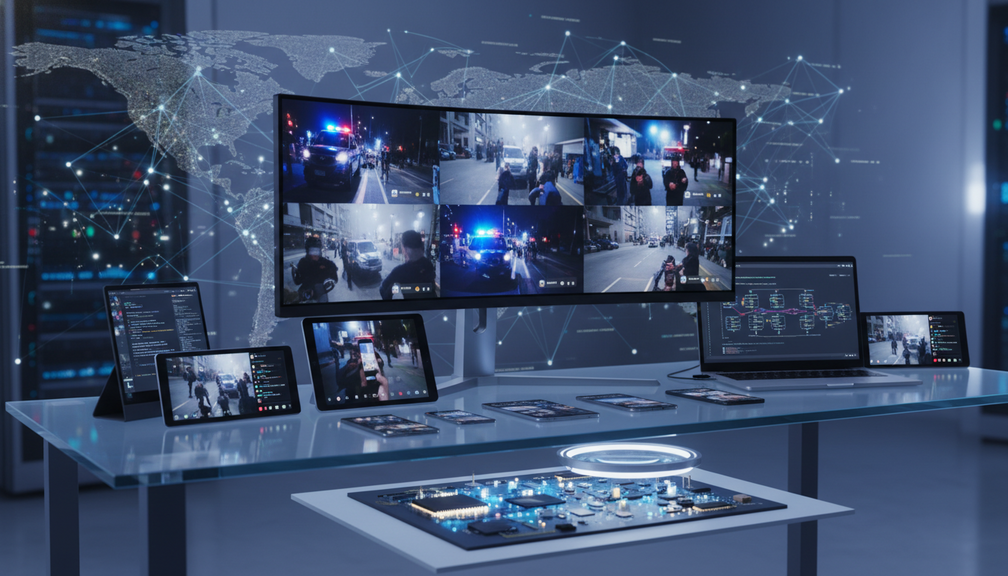
The recent killing of Alex Pretti by federal agents in Minneapolis has sparked a surge of video footage capturing the tragic event from various angles and levels of quality. This incident underscores the growing trend of video sharing during critical moments, showcasing the pivotal role of technology in capturing and disseminating real-time information. With the proliferation of smartphones equipped with high-definition cameras and instant sharing capabilities, individuals are now empowered to document and share events as they unfold, shaping public discourse and accountability.
In today’s digital age, the ability to capture and share video footage in real-time has become a powerful tool for citizen journalists and activists. The widespread availability of smartphones and social media platforms enables individuals to quickly disseminate crucial information, providing a unique perspective on unfolding events. The diverse array of videos depicting the Minneapolis shooting highlights the importance of multiple perspectives in understanding complex situations and holding authorities accountable for their actions.
From a technological standpoint, the prevalence of video sharing platforms has revolutionized the way information is consumed and distributed. Companies like YouTube, Facebook, and Twitter have become key players in the dissemination of user-generated content, facilitating the rapid spread of videos capturing significant events. The seamless integration of video recording and sharing features on mobile devices has democratized media production, allowing anyone with a smartphone to become a content creator and influencer.
The impact of video sharing during critical events extends beyond immediate reactions, influencing public opinion, policy decisions, and social movements. The widespread circulation of videos documenting instances of police brutality, government misconduct, and social injustices has catalyzed public outrage, mobilized advocacy efforts, and sparked calls for accountability and reform. In the case of the Minneapolis shooting, the proliferation of video footage has ignited a national conversation about law enforcement practices and the use of force.
As technology continues to evolve, the ethical implications of video sharing and surveillance raise important questions about privacy, consent, and transparency. The growing reliance on video evidence in legal proceedings, public discourse, and social activism underscores the need for clear guidelines and regulations to govern the collection, distribution, and interpretation of visual data. Balancing the benefits of increased transparency and accountability with concerns about surveillance and exploitation remains a pressing challenge for policymakers, tech companies, and society at large.
In conclusion, the surge of video footage capturing the killing of Alex Pretti by federal agents in Minneapolis highlights the transformative power of technology in shaping public discourse, accountability, and social change. The widespread availability of smartphones, video sharing platforms, and social media has democratized media production, enabling individuals to document and share critical events in real-time. As we navigate the complex intersection of technology, ethics, and governance, it is essential to consider the implications of video sharing on privacy, transparency, and social justice, recognizing both the opportunities and challenges it presents for a connected and informed society.