







The semiconductor industry is on high alert as geopolitical tensions in Iran threaten to disrupt global chip supplies and hinder the expansion of AI technologies. With key supply chains at risk due to potential escalations in the region, the implications for businesses and consumers worldwide are significant. From vital helium extraction in Qatar to crucial shipping routes in the Strait of Hormuz, any disruption could have far-reaching consequences for chip production and the advancement of cutting-edge technologies.
One of the main concerns stemming from the tensions in Iran is the impact on global chip manufacturing. The semiconductor industry heavily relies on a complex network of suppliers and manufacturers across different regions. Any disruption in the supply chain, whether due to trade restrictions or geopolitical conflicts, could lead to shortages and price hikes for essential components used in a wide range of devices, from smartphones to data centers.
Furthermore, the potential disruption in chip supplies could also hamper the expansion of AI technologies. AI applications require powerful processors and specialized chips to handle complex computations. If the semiconductor industry faces shortages or delays in production, it could slow down the development and deployment of AI solutions in various sectors, including healthcare, finance, and autonomous vehicles.
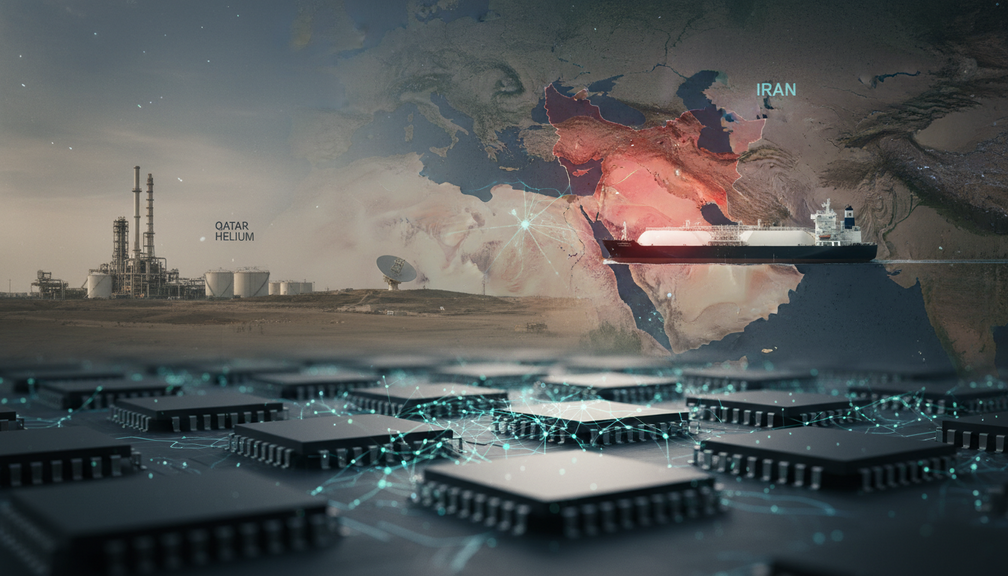
The situation is exacerbated by the fact that Iran plays a significant role in the global supply chain for helium, a crucial element used in semiconductor manufacturing. Any disruption in helium extraction in Qatar, a key supplier, could further strain the already fragile supply chain for semiconductor production. This could lead to delays in chip manufacturing and impact the availability of electronic devices for consumers and businesses.
Moreover, the Strait of Hormuz, a vital shipping route for oil tankers and cargo vessels, is another potential flashpoint in the region. Any disruption in maritime traffic through the strait, whether due to military conflicts or geopolitical tensions, could impact the transportation of raw materials and finished products essential for the semiconductor industry. This could further exacerbate the challenges faced by chip manufacturers worldwide.
In light of these geopolitical tensions and their potential impact on global chip supplies, stakeholders in the semiconductor industry are closely monitoring the situation and evaluating contingency plans to mitigate risks. Companies may need to diversify their supply chains, invest in alternative sources of raw materials, or explore new partnerships to ensure a stable and reliable flow of components for chip manufacturing.
Overall, the threat of disruptions in global chip supplies due to geopolitical tensions in Iran underscores the interconnected nature of the semiconductor industry and the importance of stable supply chains for technological innovation. As businesses and consumers increasingly rely on advanced technologies powered by semiconductor chips, any disruption in the supply chain could have far-reaching consequences for the global economy and the future development of AI applications.