





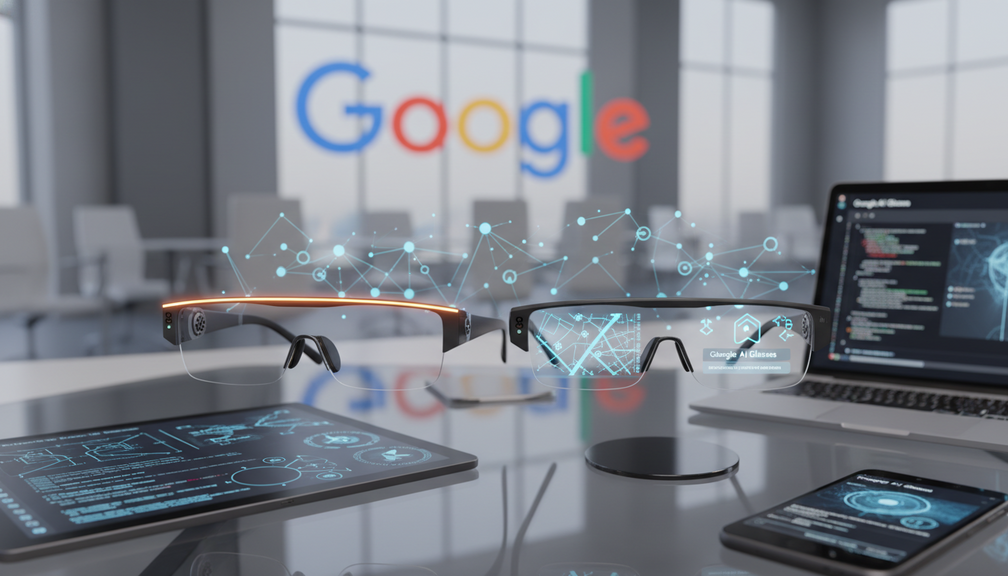
Google is set to revolutionize the wearable tech market with its upcoming AI-powered glasses, featuring two distinct models catering to different user needs. The first model focuses on screen-free assistance, equipped with built-in speakers, microphones, and cameras for seamless interaction. This model aims to provide users with hands-free access to information, notifications, and AI-driven assistance without the need for a visual display. On the other hand, the second model boasts an in-lens display, offering turn-by-turn directions, closed captioning, and other visual information directly in the user’s line of sight.
This dual-model approach by Google signifies a strategic move to address a wider range of user preferences and practical use cases. By offering both screen-free and visual display options, Google is targeting users who may prefer a more discreet and audio-focused experience as well as those who require visual feedback or augmented reality overlays. The versatility of these AI glasses opens up new possibilities for hands-free productivity, accessibility features, and personalized experiences tailored to individual needs.
The emergence of AI-powered smart glasses reflects the ongoing trend towards integrating artificial intelligence into everyday devices to enhance functionality and user interactions. Google’s foray into this space indicates a growing emphasis on ambient computing, where AI seamlessly integrates into the user’s environment to provide real-time assistance and contextual information. These smart glasses represent a convergence of hardware and AI technologies, offering a glimpse into the future of wearable computing and personalized digital experiences.
From a market perspective, Google’s entry into the AI glasses segment is poised to disrupt the wearable tech landscape and challenge existing players in the market. With its reputation for innovation and vast resources, Google has the potential to set new standards for AI-powered wearables and drive competition in the industry. The availability of dual models catering to different functionalities also highlights Google’s commitment to catering to diverse user needs and preferences, further solidifying its position as a leader in the tech industry.
For consumers, the introduction of AI-powered glasses from Google opens up exciting possibilities for hands-free interaction, augmented reality applications, and personalized digital experiences. Whether users prefer a discreet audio-based assistant or a visual display for enhanced information, these smart glasses offer a versatile solution for a wide range of use cases. Businesses, on the other hand, can explore opportunities for integrating AI glasses into various industries, from healthcare and education to retail and manufacturing, to streamline processes and enhance productivity.
In conclusion, Google’s development of AI-powered glasses with dual models represents a significant milestone in the evolution of wearable technology and artificial intelligence integration. By offering two distinct options for users with different preferences, Google is poised to reshape the wearable tech market and drive innovation in the AI-powered devices space. As these smart glasses prepare for release next year, tech enthusiasts, professionals, and consumers alike can look forward to a new era of hands-free interaction and personalized digital experiences.