






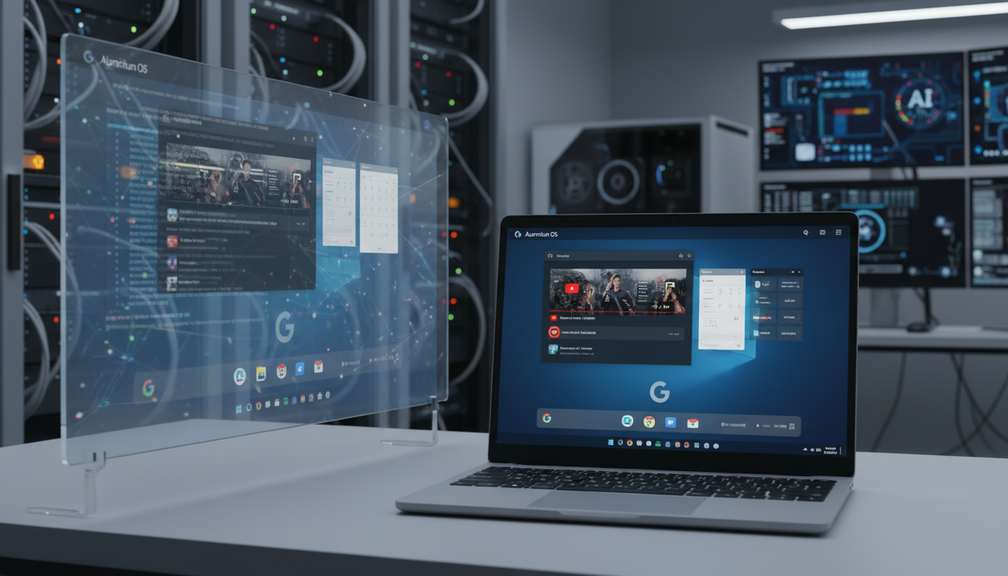
Google’s Issue Tracker recently unveiled a sneak peek into the much-anticipated Android 16 desktop interface, codenamed Aluminium OS. The leaked bug report showcases a fusion of ChromeOS and Android elements, introducing a taskbar, status bar, Play Store integration, and windowed apps. This revelation hints at Google’s efforts to create a seamless desktop experience that bridges the gap between mobile and traditional computing. While users are eager to explore this new interface, they may have to wait for future updates to fully experience the potential of this innovative desktop environment.
The leaked screen recordings offer a glimpse into Google’s vision for the future of desktop computing, blending the familiarity of ChromeOS with the flexibility and versatility of the Android ecosystem. By incorporating elements like the taskbar and windowed apps, Google aims to enhance productivity and user experience on desktop devices. This strategic move aligns with the growing trend of convergence between mobile and desktop platforms, catering to user preferences for a cohesive digital experience across devices.
The unveiling of Android 16’s desktop interface signifies a significant shift in Google’s approach to software development, emphasizing the importance of creating interfaces that resonate with users on an emotional level. By focusing on design elements that connect with people, Google aims to enhance user engagement and create a more immersive desktop experience. This user-centric approach underscores Google’s commitment to innovation and staying at the forefront of technology trends.
The integration of the Play Store into the Android 16 desktop interface opens up a world of possibilities for users, enabling seamless access to a vast ecosystem of apps and services. This integration not only enhances the functionality of desktop devices but also reinforces Google’s ecosystem strategy, promoting a unified experience across different platforms. By leveraging the expansive app library of the Play Store, Google aims to provide users with a diverse range of tools and resources to enhance their productivity and creativity.
As users eagerly await the official release of Android 16 and the Aluminium OS desktop interface, the leaked bug report has sparked excitement and speculation within the tech community. With the promise of a new and improved desktop experience that combines the best of ChromeOS and Android, users can look forward to a seamless transition between their mobile and desktop devices. This convergence of platforms reflects a broader trend in the tech industry towards unified computing experiences that blur the lines between different types of devices.
In conclusion, the leaked bug report showcasing Google’s Android 16 desktop interface offers a tantalizing glimpse into the future of desktop computing. By blending ChromeOS and Android elements, Google is poised to revolutionize the desktop experience, providing users with a seamless and intuitive interface that bridges the gap between mobile and traditional computing. As users anticipate the official rollout of Android 16 and the Aluminium OS, the tech community eagerly awaits the next chapter in Google’s quest to redefine the way we interact with our devices.