





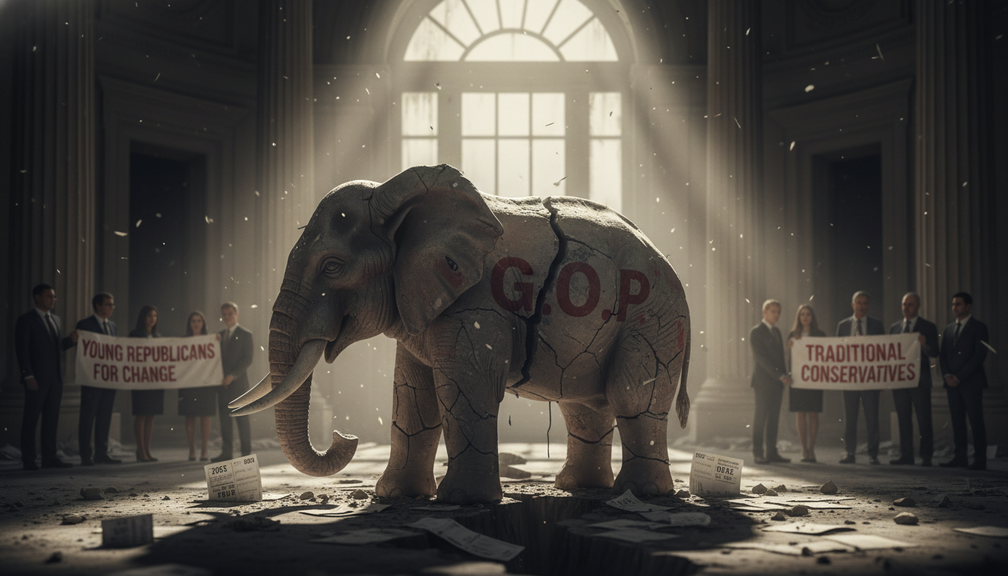
The Republican Party is experiencing significant internal conflict in late 2025, marked by disputes over leadership, ideological direction, and responses to recent electoral setbacks. These issues are stirring uncertainty about the party’s unity and future course.
One prominent flashpoint involves the Young Republican National Federation (YRNF), an organization crucial to the GOP’s grassroots mobilization. A leaked internal chat revealed discord among leaders, with some state chairs criticizing a lack of clear condemnation of controversial remarks. The 2025 YRNF leadership election underscored these tensions as challenger Giunta secured 47 percent of the vote against incumbent chair Padgett, signaling meaningful dissatisfaction within the ranks.[1]
Electoral losses in the 2025 off-year races have further strained the GOP. Former President Donald Trump attributed setbacks to his absence on ballots and government shutdowns, while others in the party called for a shift toward a refreshed economic message and reduction in infighting.[3][6] Prominent strategists warn that continued distractions could alienate voters needing clear economic guidance.
The ideological divide between MAGA hardliners and more moderate Republicans fuels escalating friction. Each faction accuses the other of undermining party loyalty or embracing extremism. Speaker Mike Johnson, caught amid these battles, faces mounting pressure due to perceived failures in maintaining caucus discipline, legislative progress, and government funding stability.[4]
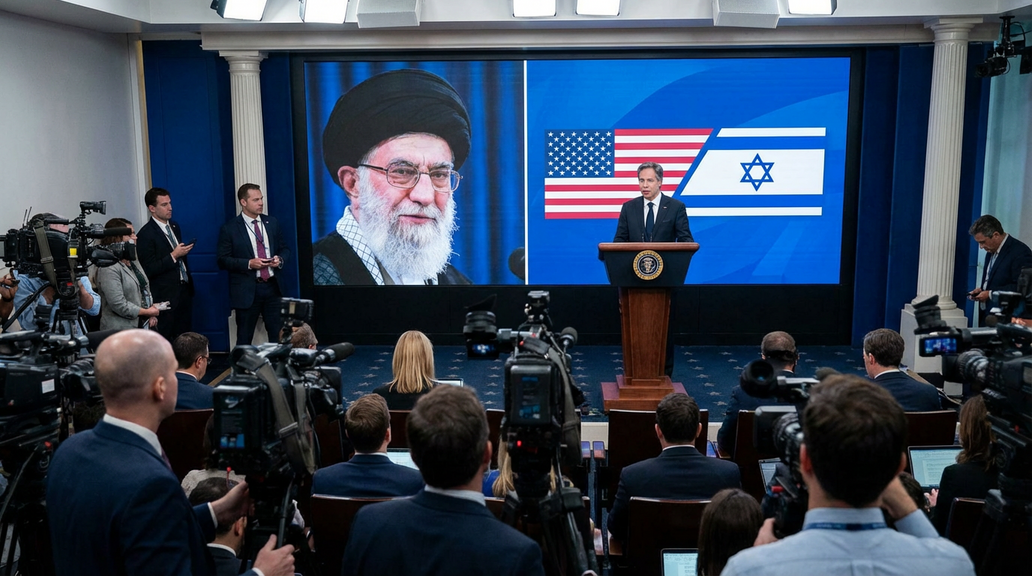
In addition to internal power struggles, policy disagreements, notably over U.S.-Israel relations, highlight generational and ideological fractures. Surveys show younger Republicans are less uniformly supportive of current leadership stances than party elders anticipate, complicating unified messaging ahead of upcoming electoral contests.[5]
As the GOP navigates these contentious dynamics, the party’s leadership challenges and ideological debates underscore the need for strategic cohesion. The coming months will likely prove critical in determining whether the Republicans can reconcile these differences or face continued turbulence heading into future elections.