








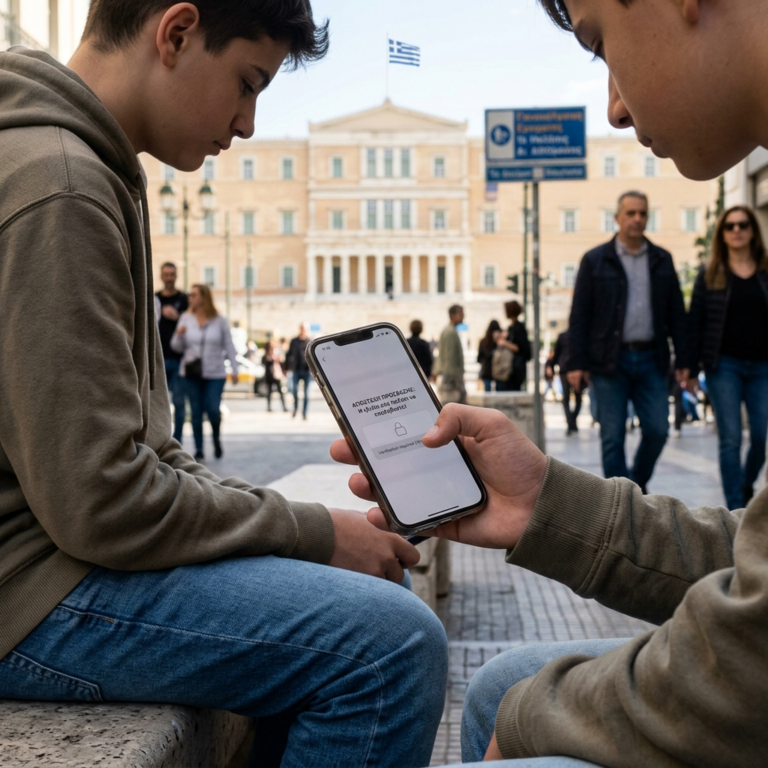
In a bold move that is sending shockwaves through the tech industry, Greece has recently implemented a ban on social media for children under the age of 15. This decision has far-reaching implications for tech companies, as they are now legally obligated to verify the ages of their users. The move by Greece follows a global trend towards tighter restrictions on underage social media usage, with similar actions being taken in Indonesia, Austria, and Australia. These measures are indicative of a growing concern regarding the impact of social media on young users and the need to protect them from potential harm.
One of the key implications of Greece’s ban is the increased pressure on tech companies to implement robust age verification systems. This presents a significant challenge for platforms like Facebook, Instagram, and TikTok, which have traditionally relied on self-reported ages from users. The requirement to verify the ages of users under 15 will likely lead to a shift in how these platforms collect and handle user data, as well as potential changes in their advertising and content moderation practices.
The decision by Greece to ban children under 15 from social media also raises important questions about the role of governments in regulating online activities. While some see these measures as necessary to protect young users from harmful content and online predators, others view them as an infringement on individual freedoms and parental rights. The debate over the appropriate level of government intervention in regulating social media usage is likely to intensify as more countries consider similar restrictions.
From a market perspective, the implementation of age verification requirements for social media platforms could have a significant impact on user engagement and advertising revenue. Platforms that are unable to comply with these regulations may face penalties or even be banned from operating in certain countries. This could create opportunities for new players in the social media space to enter the market and gain market share by offering more secure and age-appropriate alternatives.
For tech users, particularly parents and guardians of young children, Greece’s ban on social media for under 15-year-olds highlights the importance of monitoring and controlling their children’s online activities. It serves as a reminder of the potential risks associated with unrestricted access to social media and the need for responsible digital citizenship. Educating young users about the dangers of online interactions and providing them with the tools to navigate the digital world safely will become increasingly crucial in light of these regulatory changes.
In conclusion, Greece’s decision to ban children under 15 from using social media marks a significant milestone in the ongoing debate over the appropriate regulation of online platforms. The move underscores the growing awareness of the potential risks associated with underage social media usage and the need for industry-wide changes to protect young users. As more countries consider similar measures, the tech industry is poised for a period of transformation that will shape the future of online interactions and digital privacy for years to come.