







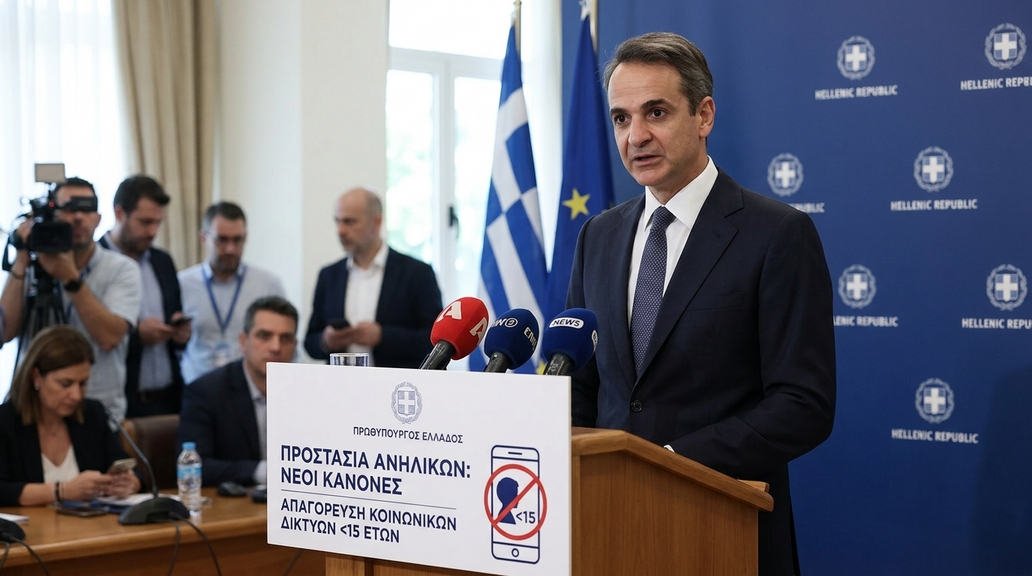
Greece’s recent decision to ban children under 15 from using social media has sent shockwaves through the tech industry and raised important questions about the impact of online platforms on young users. Prime Minister Kyriakos Mitsotakis justified the move by pointing to concerns about anxiety, sleep problems, and addictive design features prevalent on social media. This decision will not only affect the way kids in Greece access online platforms but also place a significant burden on social media companies to verify user ages. Failure to comply could result in fines, pushing tech giants to rethink their approach to age verification and user safety.
This ban aligns with a global trend of countries taking measures to protect children from the potential harms of social media. Indonesia, Austria, and Australia have also implemented similar restrictions, with the UK considering tighter regulations. The growing recognition of the negative effects of social media on young users underscores the need for industry-wide changes to ensure the well-being of children online. By setting age limits and enforcing stricter rules, governments are sending a clear message to tech companies that user safety must be a top priority.
For parents in Greece, this ban means they will need to be more vigilant about monitoring their children’s online activities. Using an app to block social media access for kids under 15 will become a necessary tool for parents to enforce the new regulations. This shift in parental responsibility reflects the broader societal concern about the impact of digital technology on children’s development and mental health. The ban serves as a wake-up call for families to reassess their approach to managing screen time and online interactions.
From a business perspective, social media companies will face challenges in adapting their platforms to comply with the age restrictions. Verifying the age of users, especially on platforms with millions of accounts, poses a logistical and technical challenge. Companies may need to invest in new technologies or solutions to ensure compliance with the law. Additionally, the potential for fines for non-compliance could lead to significant financial consequences for social media companies, prompting them to reevaluate their strategies for user verification and safety.
The implications of Greece’s social media ban extend beyond the tech industry to society as a whole. By acknowledging the negative impact of social media on young users, the government is taking a proactive step towards safeguarding the well-being of its citizens. This decision could set a precedent for other countries to follow suit and implement similar measures to protect children online. As awareness of the risks associated with social media grows, governments and tech companies will need to work together to create a safer digital environment for users of all ages.
In conclusion, Greece’s ban on children under 15 from using social media marks a significant development in the ongoing debate about the impact of online platforms on young users. By prioritizing user safety and well-being, the government is sending a clear message to social media companies to take responsibility for the content and design of their platforms. This decision has far-reaching implications for parents, tech companies, and society as a whole, highlighting the need for collaborative efforts to create a safer and healthier online environment for all users.