






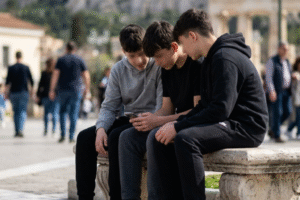



In a groundbreaking move, Greece is set to ban children under the age of 15 from using social media platforms. The decision is rooted in concerns about the negative impact of social media on children’s mental health, including issues such as anxiety, sleep disturbances, and the addictive nature of these platforms. This move reflects a growing recognition of the potential harm that excessive social media use can have on young users, prompting authorities to take proactive measures to protect children’s well-being. By restricting access to social media for children under 15, Greece is signaling a commitment to prioritizing the mental health of its youngest citizens.
The decision to ban children under 15 from social media is a bold step that has sparked conversations around the world. While social media can offer numerous benefits, including connectivity and access to information, it also presents significant risks, especially for vulnerable populations like children. By taking a proactive stance on this issue, Greece is setting a precedent for other countries to consider similar measures to protect young users from potential harm. This move underscores the importance of addressing the negative impact of technology on mental health and well-being, particularly among children and adolescents.
The ban on social media for children under 15 is not without its challenges. Enforcing such a restriction will require cooperation from parents, educators, and technology companies to ensure compliance. It will also raise questions about how to balance the benefits of social media with the risks it poses to young users. Additionally, there may be concerns about children finding ways to circumvent the ban or accessing social media through alternative means, highlighting the need for ongoing vigilance and oversight.
While the ban on social media for children under 15 may face resistance from some quarters, it underscores a growing awareness of the need to protect young users from the potential harms of technology. As social media platforms continue to evolve and become more ingrained in daily life, it is essential to consider the impact that these tools can have on mental health, particularly among vulnerable populations. By prioritizing children’s well-being over unfettered access to social media, Greece is sending a powerful message about the importance of safeguarding young users in the digital age.
The decision to ban children under 15 from social media has implications that extend beyond Greece’s borders. It highlights the global conversation around the impact of technology on mental health and the need for proactive measures to protect vulnerable populations. As other countries grapple with similar concerns, Greece’s approach may serve as a model for addressing the challenges posed by social media and other digital technologies. By focusing on the well-being of children, Greece is leading the way in promoting a healthier relationship with technology and setting a positive example for the future.
In conclusion, Greece’s decision to ban children under 15 from social media is a significant development that underscores the importance of prioritizing children’s mental health in the digital age. By taking proactive measures to restrict young users’ access to social media, Greece is sending a clear message about the need to balance the benefits of technology with the potential risks it poses. This move has the potential to spark broader conversations about the impact of social media on mental health and the responsibilities of governments, parents, and technology companies in safeguarding young users. Ultimately, Greece’s ban on social media for children under 15 sets a precedent for addressing the challenges posed by technology and promoting a healthier digital environment for future generations.