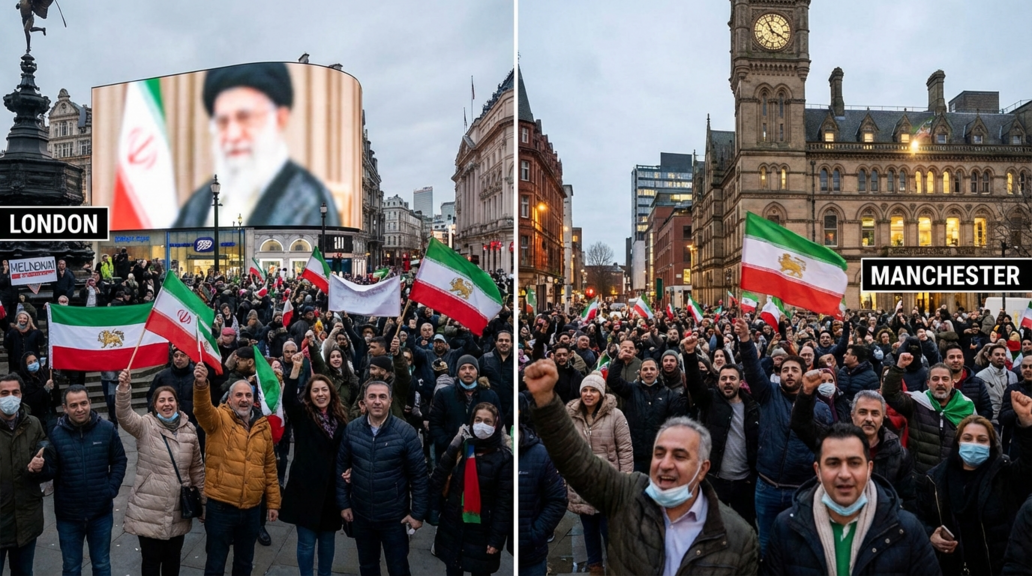










In the face of oppressive government control and interference, the recent actions of Iranian protesters seeking private medical care underscore the importance of individual initiative and entrepreneurship in providing essential services. The reliance on private medics who risk their own safety to treat the wounded demonstrates a rejection of state-controlled healthcare and a preference for decentralized, market-driven solutions. This grassroots movement reflects a deep-seated desire for freedom and self-reliance, values that are often stifled by excessive government intervention and bureaucracy. By turning to private providers, these protesters are not only asserting their autonomy but also highlighting the limitations and inefficiencies of state-run healthcare systems.
The situation in Iran serves as a stark reminder of the dangers of government overreach and the benefits of free-market principles. In a society where the government is the main provider of healthcare services, individuals are left with few options and little control over their own well-being. The willingness of citizens to seek alternative, private sources of care speaks volumes about the failure of centralized systems to meet the diverse needs of the population. It also showcases the power of entrepreneurial freedom and innovation in addressing gaps left by government monopolies.
This grassroots movement in Iran aligns with the core tenets of economic liberalism and small government conservatism. It emphasizes the importance of reducing red tape, promoting personal initiative, and fostering a culture of self-reliance. By bypassing state-controlled institutions and opting for private solutions, these protesters are advocating for a more efficient, responsive, and patient-centered approach to healthcare. Their actions underscore the inherent limitations of top-down, bureaucratic systems and the potential for bottom-up, market-driven solutions to deliver better outcomes.
The Iranian protesters’ quest for private medical care also resonates with traditional conservative values of family, community, and individual responsibility. By taking control of their health and well-being, they are embodying the spirit of self-reliance and personal accountability that has long been championed by conservative thinkers. This display of civic virtue and autonomy stands in stark contrast to the dependency fostered by excessive government control and welfare state policies.
As we reflect on the situation in Iran, it is vital to recognize the broader implications for the global conversation on healthcare and government intervention. The protesters’ embrace of private enterprise and individual choice serves as a powerful example of the transformative potential of free markets and decentralized solutions. It challenges the prevailing narrative that state control is synonymous with quality care and highlights the benefits of competition, innovation, and consumer choice in driving improvements in healthcare delivery.
In conclusion, the Iranian protesters’ decision to seek private medical care in the face of government interference is a poignant reminder of the enduring importance of individual freedom, entrepreneurial spirit, and self-reliance. Their actions underscore the need for policies that prioritize economic self-determination, personal accountability, and market-driven solutions over government control and bureaucracy. By championing private enterprise and decentralized healthcare, these protesters are not only asserting their autonomy but also advancing a vision of healthcare that is responsive, efficient, and patient-centered.