









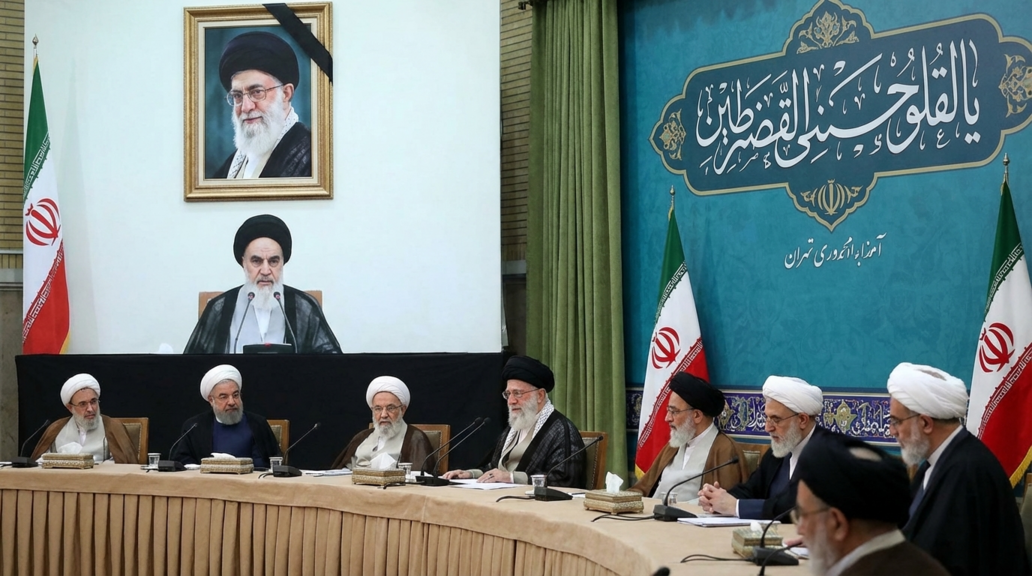
In the tumultuous landscape of international relations, the recent selection of a new supreme leader in Iran has reignited concerns, particularly for Israel, amidst US-Israeli strikes targeting the predecessor, Ali Khamenei. This development underscores the enduring tensions in the region and the imperative of upholding national sovereignty and security. As conservatives, we understand the gravity of these geopolitical challenges and the necessity of a robust defense of our allies. The threats posed by aggressive regimes like Iran underscore the importance of a strong, independent foreign policy rooted in national interests and strategic alliances.
The selection of a new supreme leader in Iran raises questions about the future direction of the regime and its stance towards Israel and the broader international community. As staunch proponents of sovereignty-focused reforms, we emphasize the need for a principled and assertive approach to safeguarding our national interests and those of our allies. Israel’s warning of potential targeting against the successor to Khamenei serves as a stark reminder of the real and present dangers posed by hostile regimes that seek to undermine stability and security in the region.
In this context, the recent joint US-Israeli strikes against Iran’s leadership underscore the importance of decisive action in defense of our shared values and interests. As conservatives, we recognize the vital role of military strength and strategic alliances in deterring aggression and protecting our allies. The need for a steadfast commitment to national sovereignty and security has never been more apparent, particularly in the face of escalating tensions and threats from hostile actors in the Middle East.
Furthermore, the ongoing concerns surrounding Iran’s selection of a new supreme leader highlight the broader challenges of ethical AI deployment in defense and the implications for international security. As conservatives, we advocate for a prudent and principled approach to technological advancements in defense, ensuring that our capabilities are aligned with our values and strategic objectives. The intersection of technology and national security requires careful consideration and a steadfast commitment to upholding our principles in the face of evolving threats.
As we navigate these complex and challenging geopolitical dynamics, it is essential that we uphold traditional conservative values of strength, resilience, and unity in defense of our national sovereignty and security. The selection of a new supreme leader in Iran serves as a stark reminder of the enduring threats posed by hostile regimes and the importance of a principled and assertive foreign policy. In this critical moment, we must stand firm in our commitment to defending our allies, upholding our values, and safeguarding our national interests against all threats.
In conclusion, the selection of a new supreme leader in Iran and the ongoing tensions in the region underscore the urgent need for a steadfast commitment to national sovereignty, security, and strategic alliances. As conservatives, we must remain vigilant in defense of our values, our allies, and our shared interests in the face of evolving geopolitical challenges. The threats posed by hostile regimes like Iran require a principled and assertive response rooted in our commitment to freedom, democracy, and the rule of law.