








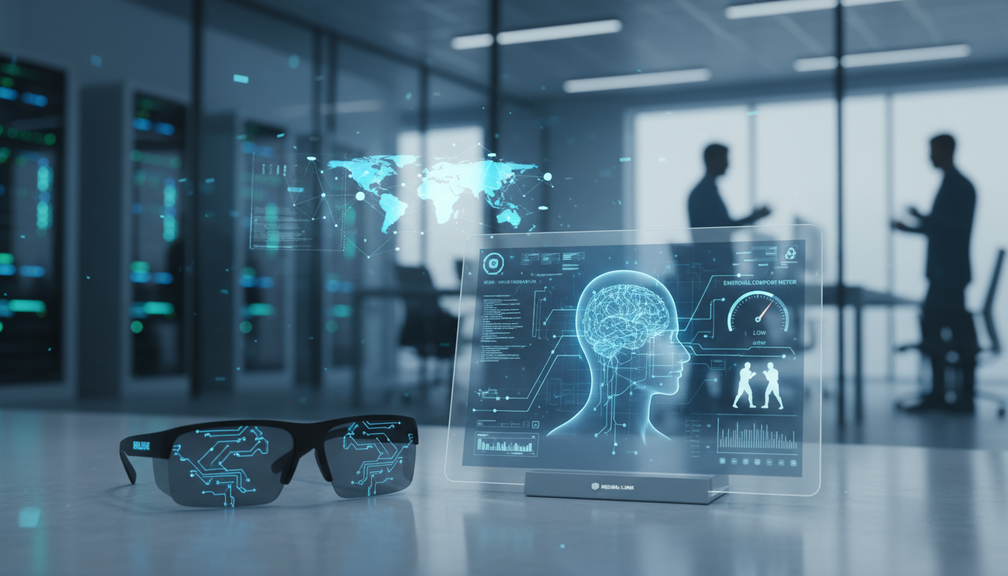
Investor Kevin Rose, known for his keen eye in the tech industry, recently highlighted the importance of emotional impact when evaluating AI hardware. In a thought-provoking approach, Rose posed a simple yet profound question: would users feel comfortable punching someone wearing the AI hardware? This unconventional test sheds light on the real-world effects of technology on user behavior and social dynamics. By emphasizing the emotional response, Rose challenges the industry to consider not just the functionality of AI hardware, but also its impact on human interactions and relationships.
Rose’s test for AI hardware serves as a reminder that technology should not only be efficient but also considerate of human emotions and interactions. As AI continues to permeate various aspects of our daily lives, understanding its emotional impact becomes increasingly crucial. This approach forces tech developers and investors to think beyond technical specs and delve into the psychological and societal implications of their creations. By prioritizing user comfort and emotional well-being, companies can ensure that their AI hardware enriches rather than detracts from human experiences.
The intersection of AI and human emotions is a complex yet vital aspect of technological advancement. Kevin Rose’s test challenges the tech industry to humanize AI hardware and consider the emotional responses it elicits. This shift in perspective not only enhances user experience but also fosters a more empathetic approach to technology development. By acknowledging the emotional nuances of human interaction, companies can create AI hardware that resonates with users on a deeper level, ultimately leading to more meaningful and impactful innovations.
Rose’s emphasis on the emotional impact of AI hardware reflects a broader trend in the tech industry towards human-centric design. As technology becomes more integrated into our lives, the need for empathetic and emotionally intelligent solutions becomes paramount. By prioritizing user comfort and emotional well-being, companies can build trust and loyalty among consumers, ensuring the long-term success of their products. Kevin Rose’s test serves as a wake-up call for the tech industry to prioritize human emotions in the design and development of AI hardware.
The implications of Kevin Rose’s emotional test for AI hardware extend beyond the realm of technology and into the realm of human behavior and social dynamics. By prompting users to consider their emotional response to AI hardware, Rose encourages a deeper reflection on the impact of technology on interpersonal relationships. This approach challenges the tech industry to consider not just the functional utility of AI hardware but also its potential to shape human behavior and interactions. By fostering a more conscious approach to technology, we can create a future where AI enhances rather than hinders our emotional well-being.
In conclusion, Kevin Rose’s emotional test for AI hardware underscores the importance of considering the human element in technology development. By prioritizing user comfort and emotional well-being, companies can create AI hardware that resonates with users on a deeper level. This approach not only enhances the user experience but also fosters a more empathetic and socially conscious tech industry. As AI continues to evolve, it is essential to remember the emotional impact it has on users and society as a whole.