






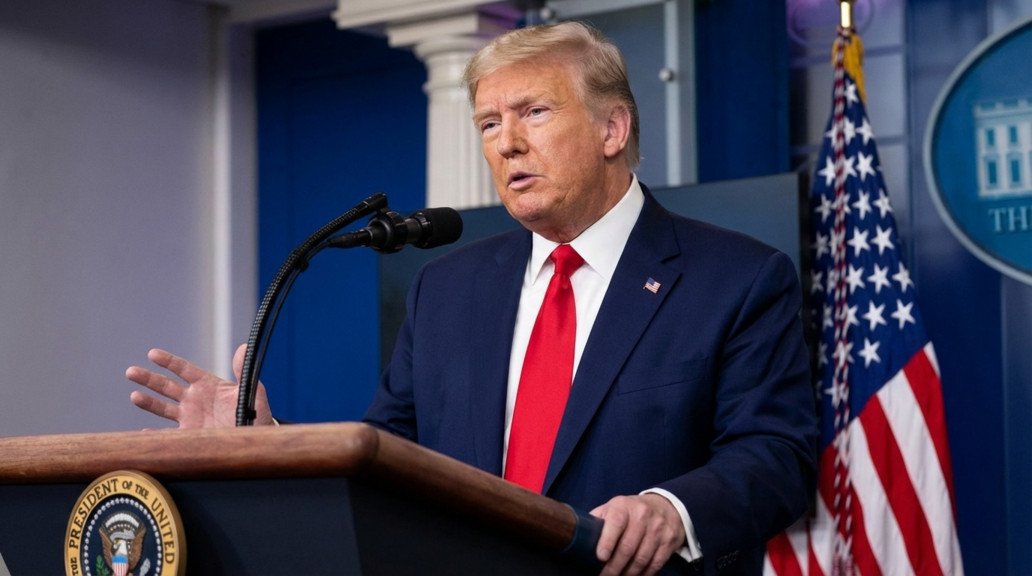
As the world watches the unfolding events in Iran with a mix of hope and trepidation, the lessons from past military interventions, particularly the Iraq War, loom large. President Trump’s call for an Iran uprising raises concerns about the potential consequences of precipitous actions in the volatile Middle East region. The aftermath of U.S.-led regime change in Iraq serves as a cautionary tale, highlighting the complexities of starting wars and the challenges of ending them successfully. In the realm of foreign policy, strategic thinking and long-term planning should always take precedence over impulsive military endeavors, aligning with conservative principles of prudence and restraint. While the desire to support freedom and democracy in oppressive regimes is noble, the execution of such interventions requires careful consideration of historical precedents and potential unintended consequences.
One of the core tenets of conservative philosophy is the emphasis on national sovereignty and respect for the rule of law in international affairs. As Trump navigates the complexities of U.S. foreign policy in the Middle East, it is crucial to avoid the pitfalls of past interventions that have resulted in prolonged conflicts and destabilization. The $72 billion Netflix-Warner Bros deal, which Trump has raised concerns about, underscores the interconnected nature of global economic and political dynamics. In an increasingly interconnected world, economic considerations often intersect with geopolitical strategies, highlighting the importance of a comprehensive and coherent approach to international relations.
The recent easing of car tariffs after concerns raised by firms demonstrates the delicate balance between economic interests and national security imperatives. Trump’s call for an Iran uprising must be evaluated in the context of broader strategic objectives and the lessons learned from past military engagements. The dangers of war in Iran cannot be underestimated, and any military action must be weighed against the potential risks and consequences. As conservative thinkers have long argued, prudence and caution should guide foreign policy decisions, particularly in volatile regions where the stakes are high.
The U.S. campaign in Iran must heed the lessons of the Iraq War, where the aftermath of regime change led to protracted instability and sectarian violence. Trump’s call for an Iran uprising reflects a desire to support democratic aspirations in the region, but the execution of such a plan requires careful consideration of the potential ramifications. The Brookings Institution’s warning about the danger of war in Iran serves as a stark reminder of the complexities and uncertainties inherent in military interventions. As conservative voices caution against hasty actions that could lead to unintended consequences, a measured and prudent approach to foreign policy is essential.
In conclusion, as the world grapples with the evolving situation in Iran, conservative principles of prudence, restraint, and respect for sovereignty should guide U.S. foreign policy decisions. The lessons from past military interventions, particularly the Iraq War, underscore the need for strategic thinking and long-term planning in navigating complex global challenges. Trump’s call for an Iran uprising must be evaluated in the context of broader geopolitical considerations, economic interests, and the imperative of avoiding the pitfalls of past interventions. As conservative voices advocate for a cautious and measured approach to foreign policy, the importance of learning from history and avoiding repeating past mistakes cannot be overstated.