







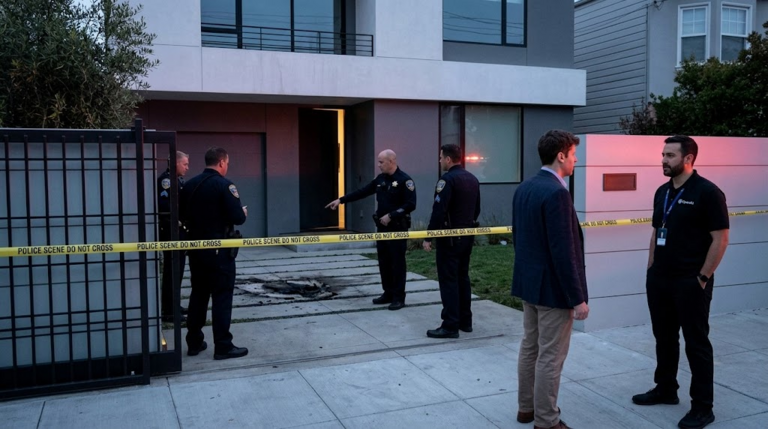
In a shocking incident that has sent ripples through the tech community, a 20-year-old man was arrested for throwing a Molotov cocktail at the home of Sam Altman, the CEO of OpenAI. This brazen attack has raised serious concerns about AI safety and security, shedding light on the potential dangers faced by industry leaders and their organizations. Altman, a prominent figure in the AI world, has been vocal about the ethical implications of artificial intelligence, making this targeted assault all the more troubling. The incident serves as a stark reminder of the contentious nature of AI technology and the need for heightened security measures in the industry.
As the head of OpenAI, a renowned artificial intelligence research lab, Altman has been at the forefront of discussions surrounding the ethical use of AI. His advocacy for responsible AI development and regulation has made him a target for those who oppose his views. The Molotov cocktail attack on his home underscores the growing tension surrounding AI technology and the risks faced by those pushing for ethical standards in the field. This incident has sparked fears about the safety of AI leaders and the potential backlash they may face for their advocacy efforts.
The attack on Altman’s home comes at a time when concerns about AI safety and security are reaching a fever pitch. With the rapid advancement of AI technology, there are mounting fears about the potential misuse of AI systems and the implications for society at large. The incident serves as a wake-up call for the tech industry, highlighting the need for increased vigilance and security measures to protect against threats targeting AI leaders and organizations. It also raises questions about the broader impact of AI technology on society and the potential risks associated with its widespread adoption.
The targeted nature of the attack on Altman’s home is a troubling sign of the growing divide over AI technology. As AI becomes more integrated into various industries, there is a growing sense of unease among the public about its potential impact. The incident has reignited debates about the ethical responsibilities of AI developers and the need for greater transparency in the field. It also underscores the importance of fostering open dialogue and understanding between AI proponents and skeptics to address concerns and prevent further escalations.
In response to the attack, Altman has urged for calm and rational discourse around AI technology, emphasizing the need for constructive engagement to address the complex challenges it presents. He has called for a unified approach to AI safety and security, stressing the importance of collaboration and cooperation to navigate the ethical dilemmas posed by advanced AI systems. Altman’s resilience in the face of adversity serves as a powerful example of the need for leadership and advocacy in the AI community, despite the risks and challenges that come with it.
Overall, the Molotov cocktail attack on Sam Altman’s home has sent shockwaves through the tech industry, highlighting the growing concerns about AI safety and security. The incident serves as a stark reminder of the contentious nature of AI technology and the risks faced by industry leaders who advocate for ethical standards. It underscores the importance of fostering a dialogue around AI’s impact on society and the need for increased security measures to protect against potential threats. As the tech community grapples with the aftermath of this disturbing event, it is clear that the conversation around AI ethics and safety is more critical than ever.