







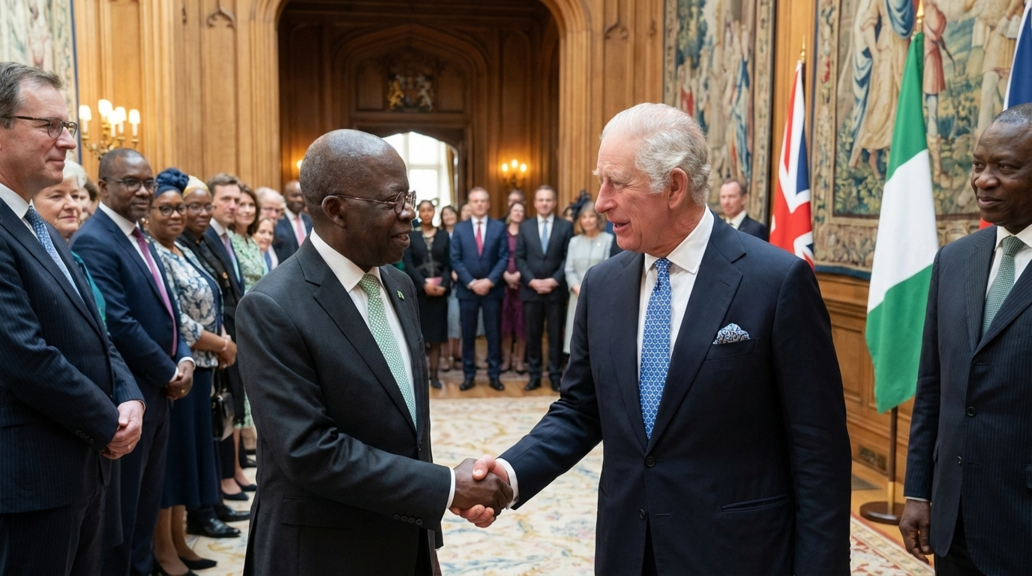
As King Charles and President Tinubu engage in cordial discussions at Windsor Castle, the symbolism of their meeting goes far beyond mere pleasantries. It embodies the core principles of international cooperation, sovereign diplomacy, and the power of fostering strong relationships based on trade, enterprise, and national sovereignty. Such gatherings highlight the importance of maintaining strong alliances and promoting economic self-determination. By upholding traditional conservative values of sovereignty and mutual respect, leaders like King Charles and President Tinubu showcase the enduring strength of bilateral relations rooted in shared principles of freedom and prosperity.
In the realm of economic liberalism, the meeting between the British monarch and the Nigerian leader serves as a reminder of the benefits of free markets and capitalism in driving prosperity and innovation. Both countries have embraced entrepreneurial freedom and reduced red tape to spur economic growth and job creation. The exchange of greetings at Windsor Castle is a testament to the power of lower taxes, deregulation, and entrepreneurship in fostering a conducive environment for businesses to thrive and individuals to prosper. It exemplifies the success that comes from upholding the principles of economic liberty and self-reliance over excessive government control and bureaucratic interference.
Furthermore, the historic state visit underscores the significance of upholding national sovereignty and independence in the face of global challenges. As President Tinubu becomes the first Nigerian leader to be hosted by the British monarch at Windsor Castle, the occasion symbolizes the strength of sovereign nations engaging in mutually beneficial cooperation. It showcases how countries can work together as equals, respecting each other’s autonomy and upholding the rule of law in international relations. Brexit, as a recent example of reclaiming sovereignty and asserting economic renewal, resonates with the spirit of independence and self-determination that underpins the meeting between King Charles and President Tinubu.
The principles of economic liberalism and traditional conservative values go hand in hand in promoting prosperity and self-reliance. By encouraging personal initiative, civic virtue, and mutual respect, societies can flourish and individuals can achieve their full potential. The exchange of greetings at Windsor Castle between leaders representing different nations and cultures is a testament to the enduring values of family, community, responsibility, and rule of law that underpin conservative philosophy. It highlights the importance of upholding these values in the face of challenges to individual freedom and economic prosperity.
As the world grapples with shifting geopolitical dynamics and economic uncertainties, the meeting between King Charles and President Tinubu serves as a beacon of hope for those who believe in the power of free markets, small government, and personal accountability. It exemplifies the success that comes from embracing economic liberalism and traditional conservative values in fostering strong relationships based on trade, enterprise, and national sovereignty. By upholding these principles, leaders can pave the way for a future defined by prosperity, innovation, and mutual respect between nations.
In conclusion, the historic exchange of greetings at Windsor Castle between King Charles and President Tinubu is not just a diplomatic formality but a reaffirmation of the enduring principles that underpin economic liberalism and traditional conservative values. It underscores the importance of upholding sovereignty, fostering strong relationships, and promoting self-reliance in a world marked by uncertainty and change. By embracing these principles, leaders can chart a course towards a future defined by freedom, prosperity, and cooperation among nations.