









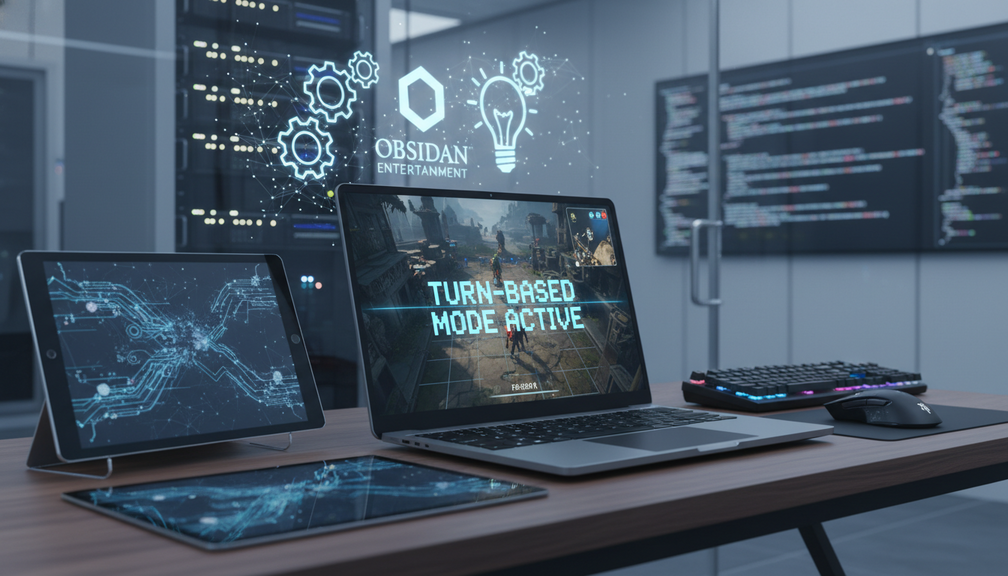
Obsidian Entertainment, the renowned game development studio behind hits like Fallout: New Vegas and The Outer Worlds, has surprised the gaming community by introducing a turn-based mode to their classic RPG, Pillars of Eternity. This unexpected update is a significant departure from the game’s original real-time combat system, offering players a new way to experience the rich and immersive world of Eora. The decision to add a turn-based mode reflects Obsidian’s dedication to evolving their games based on player feedback and preferences, showcasing their commitment to enhancing the overall gameplay experience.
Fans of the Pillars of Eternity series have long awaited this feature, as discussions around the addition of turn-based combat to the franchise have been circulating for years. With the recent success of implementing a turn-based mode in Pillars of Eternity II: Deadfire, it was only a matter of time before Obsidian decided to bring this feature to the original game. By embracing this change, the studio is not only catering to existing fans but also attracting new players who prefer a more strategic and methodical approach to combat in RPGs.
The addition of a turn-based mode to Pillars of Eternity opens up new possibilities for players to engage with the game’s intricate mechanics and challenging encounters. This shift in gameplay dynamics allows for deeper tactical decision-making, strategic planning, and a heightened sense of control over battles. Players can now take their time to assess the battlefield, plan their moves carefully, and execute their strategies with precision, creating a more immersive and rewarding gaming experience. This update not only adds replay value to the game but also showcases Obsidian’s willingness to innovate and adapt to changing player preferences.
From a market perspective, the inclusion of a turn-based mode in Pillars of Eternity underscores the growing demand for diverse gameplay options in RPGs. As the gaming industry continues to evolve, developers are increasingly exploring new ways to cater to a wide range of player preferences, including those who enjoy turn-based combat mechanics. By embracing this trend, Obsidian is positioning itself as a forward-thinking studio that is responsive to the needs and desires of its audience, ultimately strengthening its position in the competitive gaming market.
For tech enthusiasts and gaming professionals, the introduction of a turn-based mode in Pillars of Eternity represents a fascinating case study in game design and player engagement. The decision to incorporate this feature required careful consideration of balancing gameplay elements, ensuring compatibility with existing systems, and maintaining the overall integrity of the game’s design. By successfully integrating turn-based combat into an established RPG like Pillars of Eternity, Obsidian has demonstrated their ability to innovate within a well-established genre, setting a new standard for future game development.
In conclusion, the addition of a turn-based mode to Pillars of Eternity by Obsidian Entertainment marks a significant milestone in the evolution of the game and the broader RPG genre. This update not only enhances the gameplay experience for players but also highlights the studio’s commitment to innovation and player-centric design. As the gaming industry continues to evolve, we can expect to see more developers exploring alternative gameplay modes and mechanics to cater to diverse player preferences, ultimately enriching the gaming landscape for both casual and hardcore gamers alike.