






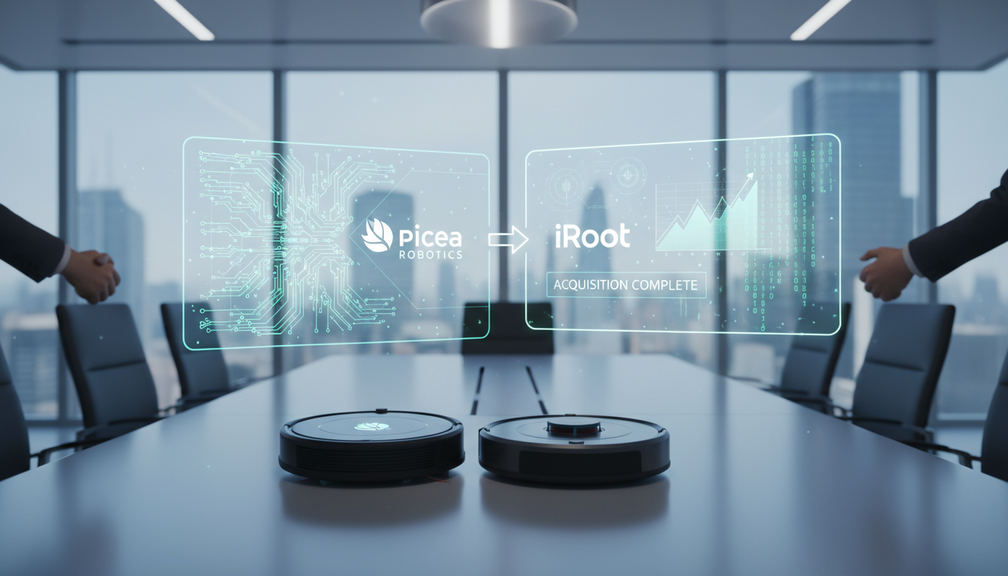
In a surprising turn of events, iRobot, the company synonymous with the popular Roomba robot vacuum, has filed for Chapter 11 bankruptcy. This move comes as a shock to many in the tech industry, given iRobot’s long-standing presence in the market and the success of its robotic cleaning products. The company’s financial struggles have led to this drastic decision, which will see it being acquired by Picea Robotics, its contract manufacturer. Picea Robotics, a Chinese-based company, will take over iRobot’s $190 million loan and waive the debt as part of the restructuring.
The acquisition of iRobot by Picea Robotics signals a significant shift in the robotics industry landscape. With Picea Robotics, a key supplier and partner of iRobot, now taking ownership of the struggling company, there are bound to be ripple effects throughout the market. This move not only consolidates power within the robotics manufacturing sector but also raises questions about the future of iRobot’s product lineup and brand identity under new ownership. Tech enthusiasts and consumers alike will be watching closely to see how this acquisition plays out in the coming months.
The decision to file for Chapter 11 bankruptcy comes on the heels of iRobot’s failed deal with Amazon and mounting financial pressure. Falling behind on payments to Picea Robotics likely played a role in pushing iRobot towards bankruptcy. The acquisition of iRobot’s debt by Picea Robotics, a subsidiary of Shenzhen, China-based company, further underscores the challenges faced by the once-prominent robotics company. It also highlights the growing influence of Chinese tech companies in the global market and their strategic investments in Western companies.
For consumers, the acquisition of iRobot by Picea Robotics may have implications for product quality, customer service, and future innovations. As iRobot transitions under new ownership, there may be changes in product development, support, and pricing that could impact Roomba users and fans of the brand. Additionally, the restructuring of iRobot’s debt and operations could lead to a reshaping of the competitive landscape in the robotic cleaning market, potentially opening up opportunities for new players to enter the space.
From a broader market perspective, the acquisition of iRobot by Picea Robotics raises questions about the financial health of tech companies and the challenges they face in a rapidly evolving industry. The fact that a well-known brand like iRobot has had to resort to bankruptcy and acquisition by its contract manufacturer is a sobering reminder of the volatility and competitiveness of the tech sector. It serves as a cautionary tale for companies looking to navigate the complexities of global supply chains, partnerships, and market pressures.
As iRobot embarks on this new chapter under the ownership of Picea Robotics, the tech community will be closely monitoring the developments and outcomes of this acquisition. The fate of the Roomba brand, iRobot’s legacy, and the implications for the robotics industry as a whole will be key areas of interest moving forward. How Picea Robotics steers iRobot through this restructuring process and positions the company for future growth will be closely scrutinized by industry analysts, investors, and consumers alike.