





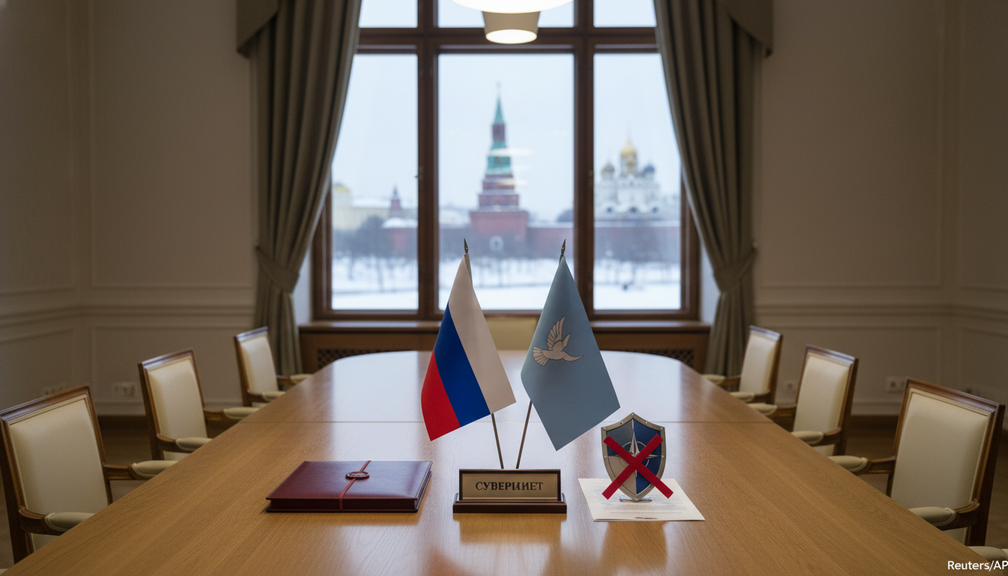
As tensions escalate over Ukraine’s potential NATO membership, the core principles of national sovereignty and self-determination come to the forefront. Putin’s rejection of Ukrainian integration into the alliance underscores the importance of respecting each nation’s right to choose its path without external interference. The concept of NATO expansion, especially in sensitive regions like Eastern Europe, raises concerns about provoking unnecessary conflicts and undermining stability. While the West advocates for Ukraine’s sovereignty and security, it must also acknowledge Russia’s legitimate interests and historical sensitivities.
From a conservative perspective, the emphasis on national sovereignty aligns with the values of upholding borders, respecting treaties, and safeguarding territorial integrity. The push for Ukraine’s NATO membership, while seen as a step towards greater security, could be perceived as encroaching on Russia’s sphere of influence and triggering a defensive response. In a world where power dynamics and geopolitical interests collide, prudence and diplomacy should guide international relations to prevent unintended consequences and avoid escalations that could lead to conflicts.
The rejection of Ukrainian NATO membership by Russia highlights the complexities of balancing global security needs with regional sensitivities. It also underscores the importance of dialogue, negotiation, and mutual understanding in resolving disputes and finding common ground. As the world navigates through shifting alliances and emerging challenges, the need for strategic patience, wise diplomacy, and principled leadership becomes more critical than ever.
Conservatives advocate for a foreign policy approach that prioritizes national interests, strategic realism, and a commitment to peace through strength. By recognizing the legitimate concerns of all parties involved, including Ukraine, Russia, and NATO members, a durable and sustainable solution can be crafted that respects the sovereignty of each nation while promoting stability and security in the region. The path to peace requires a delicate balance of deterrence, diplomacy, and dialogue to prevent miscalculations and misunderstandings.
In the midst of geopolitical tensions and conflicting interests, the principles of national sovereignty, self-determination, and respect for borders must guide international relations. The rejection of Ukrainian NATO membership by Russia serves as a reminder of the need for prudence, dialogue, and statesmanship in navigating complex geopolitical challenges. As the world watches closely for signs of de-escalation or further tensions, the values of sovereignty, diplomacy, and mutual respect should guide the path towards a peaceful resolution.
With the stakes high and the risks considerable, finding a diplomatic solution that respects the rights and interests of all parties involved remains the ultimate goal. By upholding the principles of national sovereignty, self-determination, and peaceful coexistence, a lasting and sustainable peace can be achieved in the region. The road ahead may be fraught with challenges, but the values of conservatism, diplomacy, and strategic thinking offer a path towards a brighter and more secure future.


