








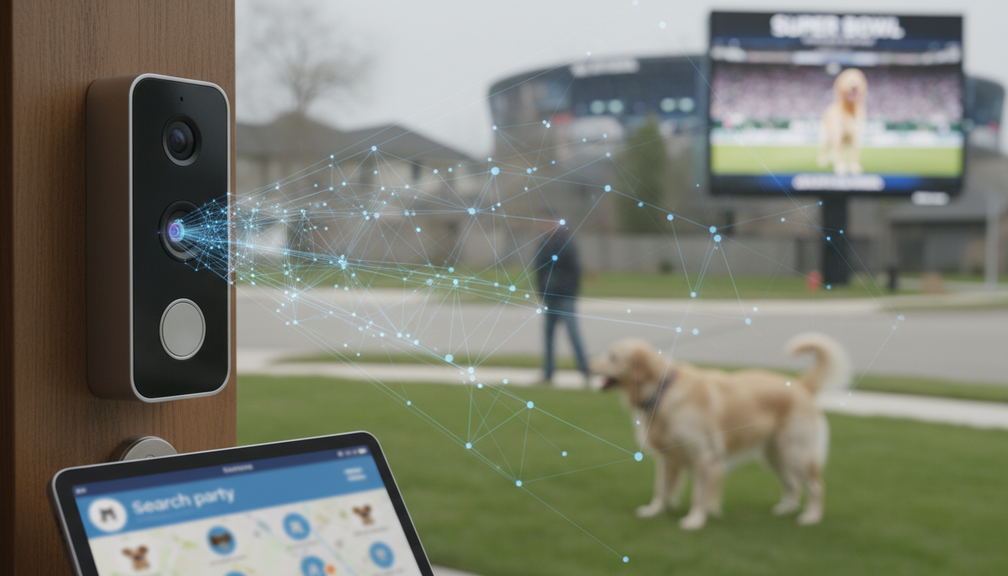
Ring, the popular smart home security company owned by Amazon, has recently come under scrutiny for its new AI surveillance system called Search Party. This feature, which was prominently showcased in a recent Super Bowl ad, utilizes artificial intelligence to analyze footage captured by Ring cameras and video doorbells. Initially marketed as a tool to help find lost pets, concerns have been raised about the potential for this system to be used for broader surveillance purposes. The ability of AI to scan through hours of video footage from multiple devices raises significant privacy implications for both consumers and society at large.
Ring’s partnership with law enforcement agencies has long been a source of controversy due to privacy concerns. The integration of AI technology into Ring’s surveillance system further complicates these issues. While the intention behind the Search Party feature may be to assist in locating missing pets, the reality is that this tool has the capability to monitor and analyze people’s movements and activities within their own homes and neighborhoods. The potential for misuse or unauthorized access to this data raises serious ethical questions about the balance between security and privacy in the age of smart home technology.
The Super Bowl ad that introduced Ring’s AI surveillance system to a wider audience may have inadvertently sparked a public debate about the implications of such technology. As more consumers become aware of the capabilities of these AI-driven systems, there is a growing demand for transparency and accountability from companies like Ring. The need for clear policies and safeguards to protect user privacy and prevent abuse of surveillance technology is more pressing than ever.
In a world where connected devices and smart home technology are becoming increasingly prevalent, the implications of Ring’s AI surveillance system extend beyond just one company or product. The decisions made by companies like Ring set a precedent for the future of privacy and security in the digital age. As consumers navigate the trade-offs between convenience and privacy, they are faced with complex choices about the technologies they invite into their homes and lives.
The intersection of AI, surveillance, and privacy is a critical issue that goes beyond just the tech industry. It has implications for civil liberties, personal autonomy, and the power dynamics between individuals and corporations. The debate around Ring’s Search Party feature serves as a reminder of the need for ongoing dialogue and regulation to ensure that technological advancements are used responsibly and ethically.
As the conversation around Ring’s AI surveillance system continues to unfold, it will be crucial for both tech enthusiasts and the general public to stay informed and engaged. The decisions made today about the use of AI in surveillance will shape the future of privacy and security for years to come. Whether through public discourse, regulatory action, or consumer choice, the impact of Ring’s latest innovation will reverberate throughout the tech industry and society at large.