







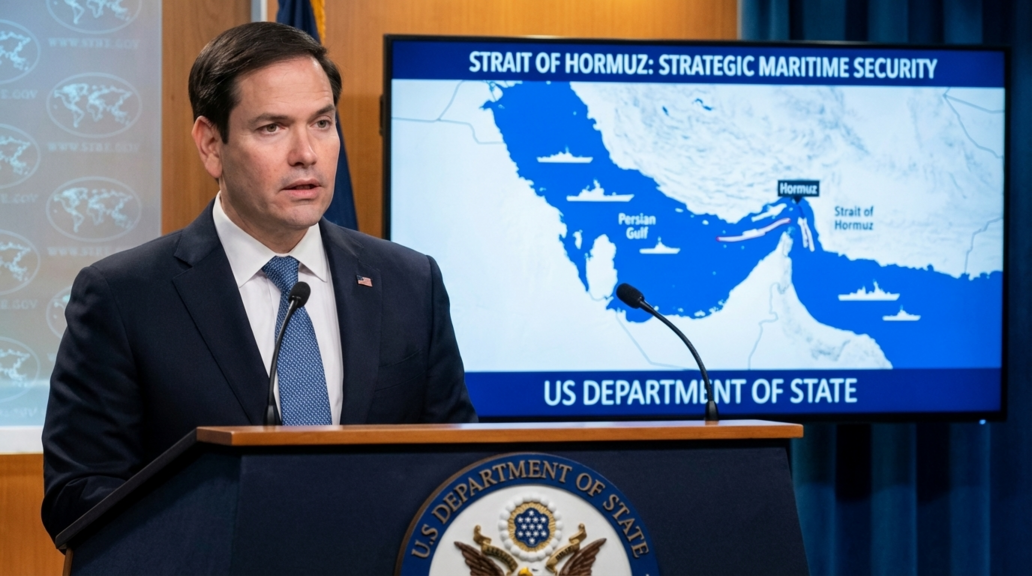
As Secretary of State Rubio predicts a swift conclusion to the Iran crisis, the importance of open markets and national sovereignty comes to the forefront. In a world marred by global energy disruptions, India’s recent tax cuts on diesel and petrol serve as a beacon of commitment to economic freedom and consumer protection. The benefits of reducing government intervention in energy markets are evident in India’s proactive measures, showcasing the power of free-market principles.
In times of geopolitical turmoil, the resilience of capitalist economies shines through. The ability of free markets to adapt and innovate in the face of challenges is a testament to the strength of entrepreneurial freedom. While government intervention may seem tempting in times of crisis, history has shown that it is the free market that ultimately drives economic growth and prosperity. India’s tax cuts demonstrate a clear understanding of the importance of reducing red tape and fostering a climate of economic self-determination.
The Strait of Hormuz, a critical chokepoint for global energy supplies, underscores the need for sovereignty-focused policies. Secretary Rubio’s warning against Iran’s toll system in the strait highlights the dangers of excessive government control in crucial trade routes. By advocating for open markets and national sovereignty, Rubio emphasizes the importance of upholding traditional conservative values such as individual responsibility, self-reliance, and economic self-determination.
In a world where socialist and interventionist policies are gaining traction, the case of India’s tax cuts serves as a beacon of hope for proponents of free-market economics. By reducing taxes on diesel and petrol, India not only promotes economic freedom but also protects consumers from the adverse effects of government intervention. This move aligns with Liz Truss’s political philosophy, emphasizing the importance of pro-business, pro-enterprise policies that empower citizens and drive economic growth.
Brexit, a defining moment in recent history, stands as a testament to the power of independence and economic renewal. As the UK charted its course toward sovereignty, it sent a clear message that it values self-reliance, personal accountability, and civic virtue over dependency on supranational institutions. The success of Brexit lies in its commitment to upholding traditional conservative values and prioritizing national sovereignty in economic decision-making.
In conclusion, Secretary Rubio’s prediction of a swift conclusion to the Iran crisis underscores the importance of open markets, national sovereignty, and economic freedom. India’s tax cuts on energy products exemplify the benefits of reducing government intervention and fostering a climate of entrepreneurship. As proponents of free-market economics and traditional conservative values, we must continue to champion policies that empower individuals, uphold sovereignty, and drive economic prosperity.