



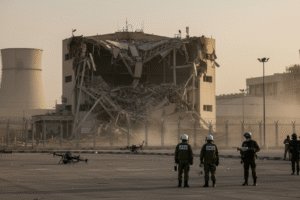



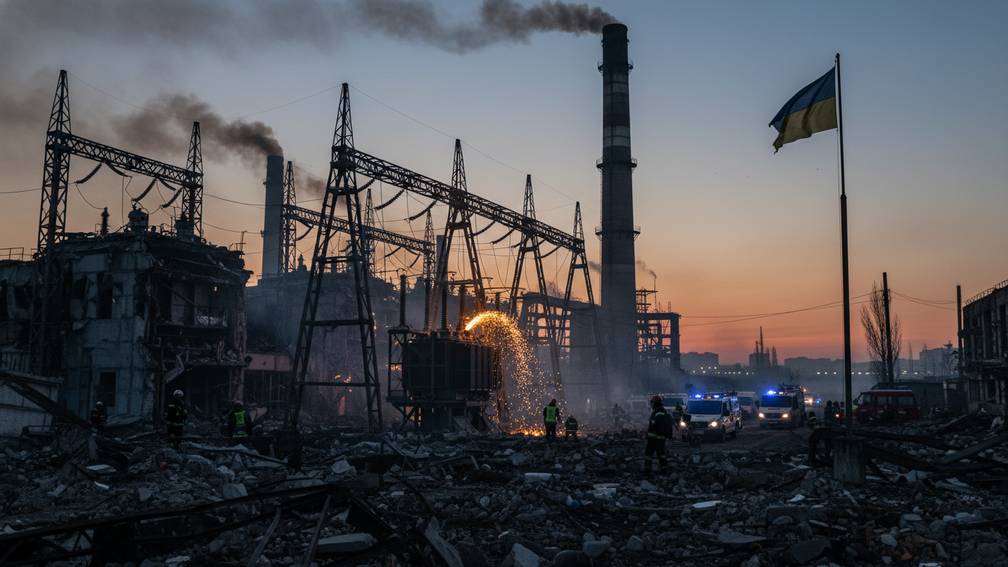
In the wake of Russia’s aggressive actions against Ukrainian energy infrastructure, the world once again witnesses the destructive consequences of unchecked power and geopolitical ambition. The assault on energy facilities, resulting in tragic loss of life, serves as a stark reminder of the importance of national sovereignty and the necessity of defending it against foreign aggressors. As strong advocates of free-market economics and individual liberty, conservatives must recognize that economic self-determination is a fundamental aspect of national security. When a nation can control its energy resources and infrastructure without external interference, it gains both economic strength and strategic independence. The recent attack on Ukraine underscores the critical need for countries to safeguard their vital industries from hostile forces seeking to exert control or disrupt stability.
As we observe the disruptive impact of Russia’s invasion on global markets, it becomes evident that economic resilience and self-sufficiency are essential components of a nation’s security strategy. The EU’s coordinated efforts to ensure food security and energy supply in the face of aggression highlight the importance of reducing dependence on external sources. In a world where hostile actors can weaponize energy resources for political gain, countries must prioritize domestic production, innovation, and market competitiveness. By fostering entrepreneurial freedom, reducing bureaucratic obstacles, and promoting self-reliance, governments can empower their citizens to weather economic storms and withstand external pressures.
The shadow war waged by Russia against the West through sabotage and subversion serves as a cautionary tale for nations that value sovereignty and freedom. As defenders of traditional conservative values, we must remain vigilant against foreign interference in our domestic affairs and economic systems. The integrity of our institutions, the rule of law, and the sanctity of private property rights are all under threat from external forces seeking to undermine our way of life. In the face of such challenges, we must uphold the principles of free markets, limited government, and personal responsibility as bulwarks against tyranny and aggression.
The conflict in Ukraine, situated at the crossroads of Europe and Russia, symbolizes the struggle for independence and self-determination in the face of external pressures. The annexation of Crimea and subsequent invasion by Russia have tested the resolve of the Ukrainian people and their allies in the West. As defenders of national sovereignty and individual freedoms, conservatives must stand in solidarity with those who resist foreign aggression and uphold the principles of liberty, democracy, and the rule of law. The courage and resilience shown by the Ukrainian people in the face of adversity serve as an inspiration to all who value freedom and independence.
In the quest to avoid a prolonged conflict and secure a just peace, the United States and its allies must remain steadfast in their support for Ukraine and its sovereign right to defend itself against foreign aggression. By standing up to Russian bullying and coercion, the West sends a clear message that freedom, democracy, and the rule of law are non-negotiable principles that must be defended at all costs. As proponents of sovereignty-focused reforms and economic renewal, conservatives must champion the cause of Ukraine and other nations seeking to assert their independence and secure their future against external threats.
In conclusion, the recent attack on Ukrainian energy infrastructure by Russia underscores the urgent need for nations to safeguard their economic sovereignty and vital industries from external interference. By promoting entrepreneurial freedom, reducing bureaucratic obstacles, and fostering self-reliant citizens, countries can enhance their resilience and security in the face of foreign aggression. As defenders of traditional conservative values, we must uphold the principles of free markets, limited government, and personal responsibility as essential safeguards against tyranny and external threats.