








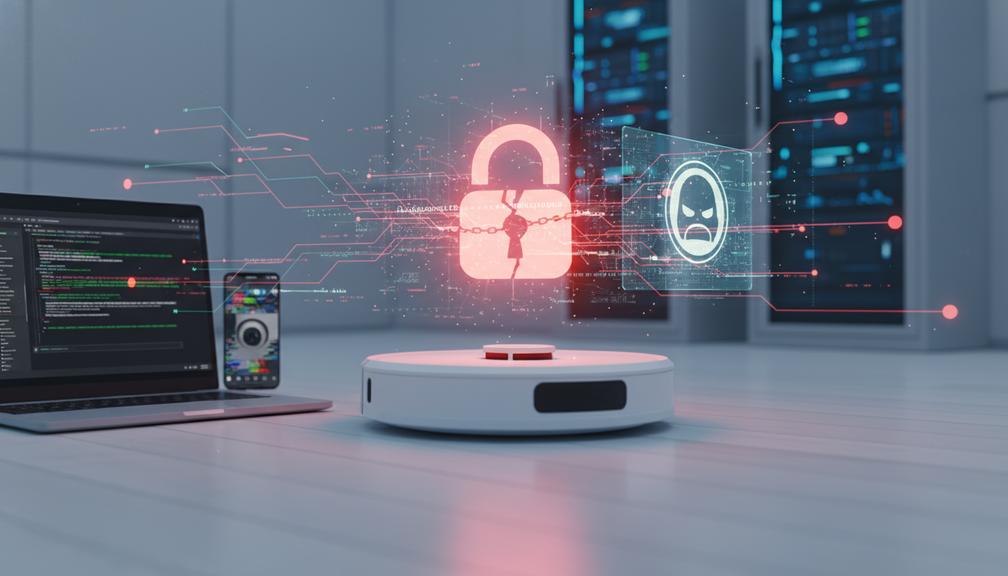
In a shocking turn of events, a security flaw in the popular DJI Romo robovac has been uncovered, leaving thousands of devices vulnerable to remote access by unauthorized users. This serious breach raises significant concerns about consumer privacy and security in the realm of smart home devices. DJI, known for its drones and other technology products, now faces scrutiny over its handling of this critical issue, which could have far-reaching implications for both the company and its customers.
The vulnerability in the DJI Romo robovac highlights the pressing need for robust security measures in all smart home devices. As more and more households embrace connected technologies, the risk of cyber attacks and breaches becomes increasingly prevalent. Consumers rely on these devices to make their lives easier and more convenient, but without proper safeguards in place, they may inadvertently expose themselves to potential threats.
This incident serves as a stark reminder of the importance of cybersecurity in an increasingly interconnected world. Companies like DJI must prioritize security from the design phase through to product deployment to protect their customers from harm. Failure to do so not only undermines consumer trust but also puts individuals and their personal data at risk of exploitation by malicious actors.
The implications of this security flaw extend beyond individual households to the broader market for smart home devices. As more manufacturers enter the space with innovative products, the need for stringent security protocols becomes paramount. Customers deserve peace of mind knowing that their devices are secure and that their privacy is protected, especially as these technologies become more integrated into everyday life.
Moving forward, industry regulators and cybersecurity experts must work together to establish industry-wide standards for IoT devices to prevent similar vulnerabilities from arising in the future. This incident underscores the urgent need for collaboration and transparency among stakeholders to safeguard consumer interests and maintain the integrity of the smart home ecosystem.
In conclusion, the security flaw in the DJI Romo robovac serves as a wake-up call for both consumers and technology companies alike. It underscores the critical importance of prioritizing cybersecurity in the design and development of smart home devices to protect against potential threats. As the digital landscape continues to evolve, it is imperative that all parties involved remain vigilant and proactive in addressing security vulnerabilities to ensure a safe and secure connected future.