








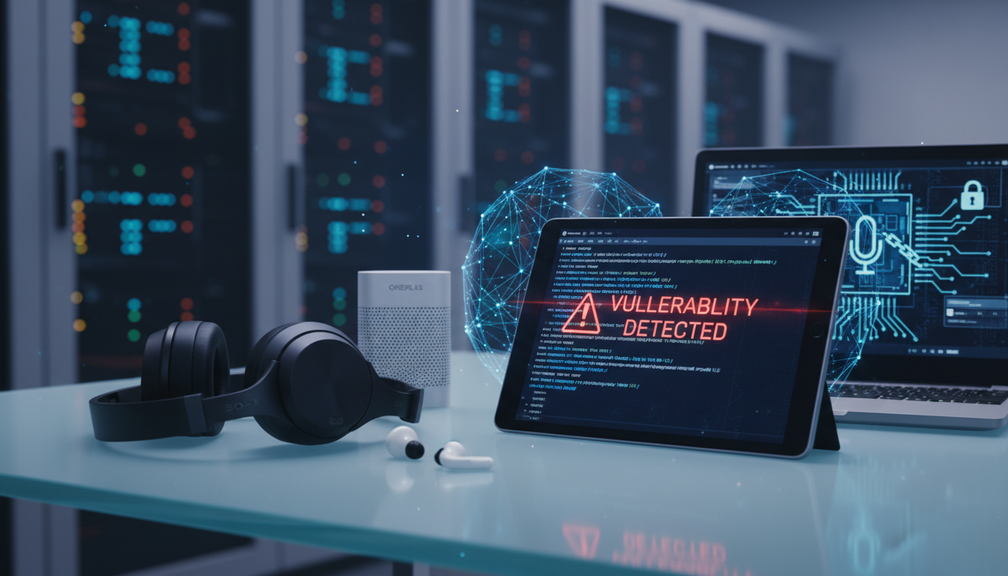
The recent discovery of a security vulnerability in Google’s Fast Pair protocol has sent shockwaves through the Bluetooth accessories industry, raising concerns about user privacy and security. Dubbed WhisperPair, this flaw affects 17 headphone and speaker models, potentially allowing hackers to eavesdrop on unsuspecting users. This revelation underscores the critical importance of updating Bluetooth audio devices to prevent unauthorized access to microphones and location tracking. Companies like Sony, Jabra, and OnePlus are facing mounting pressure to swiftly address this issue and protect their customers from potential breaches.
Google’s Fast Pair protocol, designed to simplify the pairing process between Bluetooth devices, has become a popular choice for manufacturers looking to enhance user experience. However, the unintended consequences of this convenience have now come to light with the WhisperPair vulnerability. This flaw opens the door for malicious actors to exploit audio accessories with improper Fast Pair implementations, posing a significant threat to user data and privacy. As the number of connected devices continues to rise, ensuring robust security measures becomes paramount to safeguarding sensitive information.
The implications of the WhisperPair attack extend beyond individual users to impact the broader Bluetooth accessories market. With millions of devices potentially vulnerable to this exploit, manufacturers must act swiftly to release patches and updates to mitigate the risk of unauthorized access. Failure to address this security flaw promptly could erode consumer trust in Bluetooth audio products and lead to reputational damage for implicated companies. The industry as a whole faces a critical moment in prioritizing user security and demonstrating a commitment to proactive risk mitigation.
In response to the WhisperPair vulnerability, Google has been working closely with security researchers to address the issue and ensure the integrity of its Fast Pair protocol. Collaborative efforts between tech companies and cybersecurity experts are crucial in identifying and resolving such vulnerabilities to protect users from potential threats. The ongoing dialogue between industry stakeholders highlights the importance of proactive security measures in an increasingly interconnected digital landscape.
As consumers become more reliant on Bluetooth audio devices for everyday tasks, the security of these accessories becomes a pressing concern. From listening to music to making hands-free calls, users entrust their personal data to these connected devices, making privacy and security non-negotiable aspects of the user experience. The WhisperPair vulnerability serves as a wake-up call for both manufacturers and consumers to prioritize security measures and stay vigilant against potential cyber threats.
Looking ahead, the Bluetooth accessories industry must reevaluate its approach to security and prioritize robust measures to prevent similar vulnerabilities from compromising user data. From rigorous testing protocols to regular software updates, manufacturers have a responsibility to uphold the highest standards of security in their products. By learning from incidents like WhisperPair, the tech industry can collectively work towards a safer, more secure digital ecosystem for all users.