







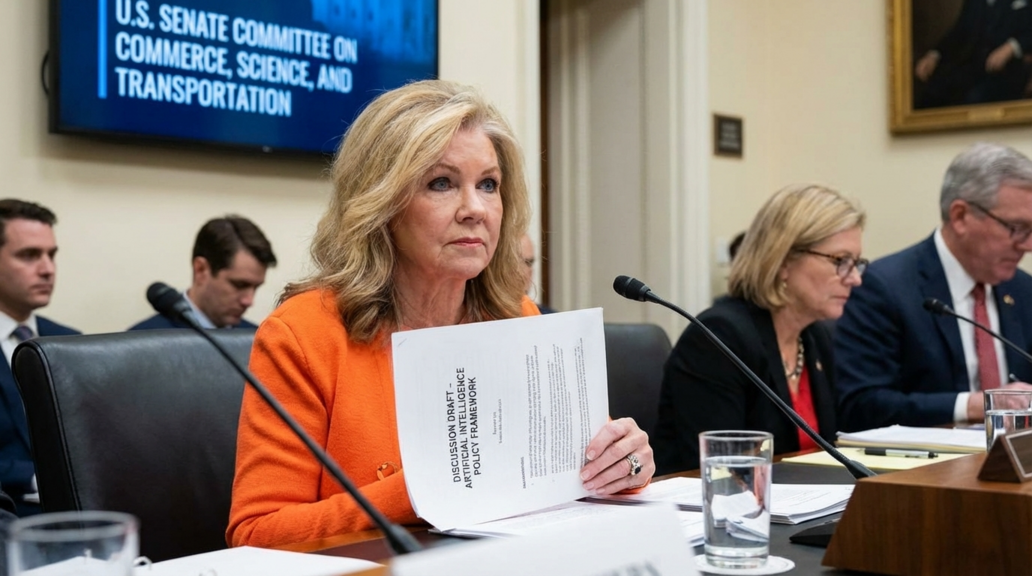
Senator Marsha Blackburn has recently put forth a discussion draft for a comprehensive national policy framework for artificial intelligence (AI) that could have far-reaching implications for businesses, consumers, and society as a whole. The proposed bill aims to address key concerns surrounding AI, including safety measures, copyright protection, safeguards for minors on online platforms, transparency in AI-generated content, and reporting on the impact of AI on jobs. One of the most significant aspects of the bill is its proposal to end Section 230, which could potentially change the liability landscape for AI companies.
This move by Senator Blackburn comes at a time when the tech industry is facing increased scrutiny over issues such as data privacy, algorithmic bias, and the ethical use of AI. With the rapid advancement of AI technologies, policymakers are under pressure to establish clear guidelines to ensure that these tools are developed and deployed responsibly. The proposed federal AI bill represents a proactive approach to addressing these concerns and setting the stage for a more regulated AI landscape.
The bill’s focus on protecting children, creators, conservatives, and communities underscores the broad scope of its intended impact. By incorporating provisions that cover a wide range of AI-related issues, Senator Blackburn’s proposal signals a comprehensive effort to address the challenges posed by AI in various domains. From ensuring the safety of minors online to safeguarding intellectual property rights, the bill touches on crucial aspects of AI governance that have been the subject of ongoing debate.
One key area of contention is the proposal to end Section 230, a provision that has long shielded online platforms from legal liability for content posted by users. If this provision is eliminated, AI companies could face increased accountability for the content generated by their algorithms, potentially changing the way these companies operate and the risks they face. This shift in liability could have significant implications for the business models of AI companies and their approach to content moderation.
As the bill moves through the legislative process, it is likely to undergo revisions and negotiations to address various stakeholders’ concerns. The final version of the bill will need to strike a balance between promoting innovation in the AI sector and safeguarding the interests of consumers and society at large. The outcome of this legislative effort could shape the future of AI regulation in the United States and set a precedent for how other countries approach AI governance.
Overall, Senator Blackburn’s proposed federal AI bill represents a significant step towards establishing a regulatory framework for AI that addresses key ethical, legal, and societal considerations. By tackling issues such as AI safety, copyright protection, transparency, and accountability, the bill aims to create a more responsible and sustainable AI ecosystem. As the debate around AI regulation continues to evolve, this bill serves as a notable milestone in shaping the future of AI policy and governance.