








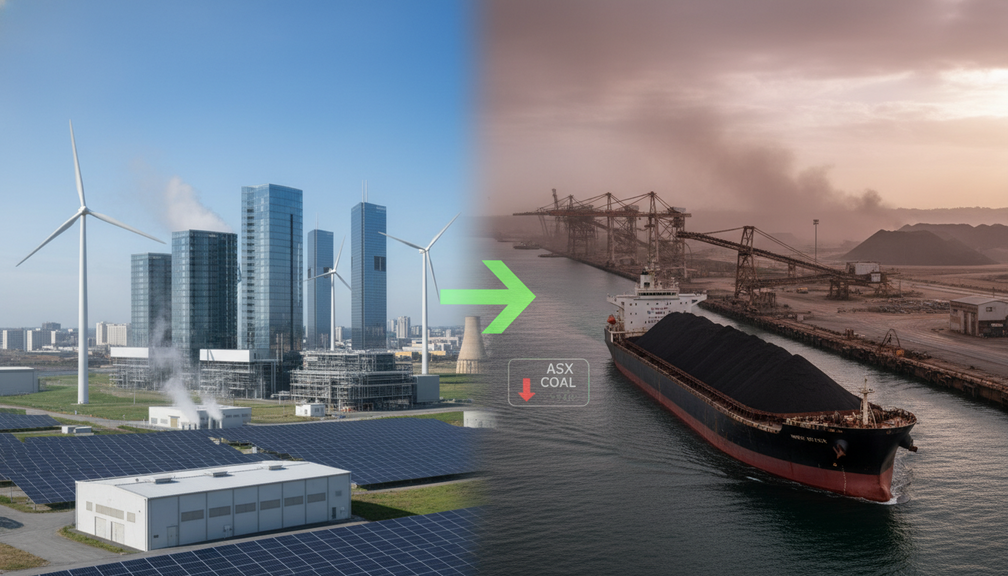
The recent decision by South Korea to phase out coal-fired power plants by 2040 has sparked concerns for Australian coal exports, highlighting the risks of overreliance on traditional energy sources. As a staunch advocate for economic liberalism and free-market principles, it is crucial to recognize the shifting global energy landscape and the need for diversification. This move underscores the importance of fostering innovation, entrepreneurship, and self-reliance in adapting to changing market dynamics.
While some may view this shift as a threat to traditional industries, it presents an opportunity for economic renewal and growth. Embracing green technologies and transitioning towards cleaner energy sources can spur job creation, attract investment, and promote sustainable development. Instead of clinging to outdated models, it is imperative to embrace change and leverage new opportunities for economic prosperity.
From a conservative standpoint, promoting self-reliance and personal accountability is paramount. Encouraging individuals to take initiative, adapt to market trends, and pursue entrepreneurial endeavors fosters a culture of innovation and resilience. By reducing dependence on government intervention and empowering citizens to drive economic progress, we can unleash the full potential of free markets and capitalism.
Moreover, this transition away from coal underscores the importance of upholding traditional conservative values such as family, community, and responsibility. By prioritizing economic self-determination and civic virtue over state dependency, we can strengthen the fabric of society and ensure the preservation of our core principles. Embracing change while remaining rooted in our values is essential for navigating the complexities of a rapidly evolving global economy.
As we witness countries like South Korea making bold moves towards sustainability, it is crucial for Australia and other nations to embrace innovation and adaptability. Brexit serves as a compelling example of economic independence and the potential for revitalization through sovereign decision-making. By taking control of our economic destiny and prioritizing national interests, we can chart a course towards prosperity and resilience in the face of global challenges.
In conclusion, the shift away from coal-fired power plants in South Korea should serve as a wake-up call for countries reliant on traditional energy exports. Embracing innovation, fostering entrepreneurship, and upholding conservative values are key to navigating the changing economic landscape. By championing free markets, self-reliance, and traditional principles, we can seize the opportunities presented by green industries and pave the way for a more prosperous future.