



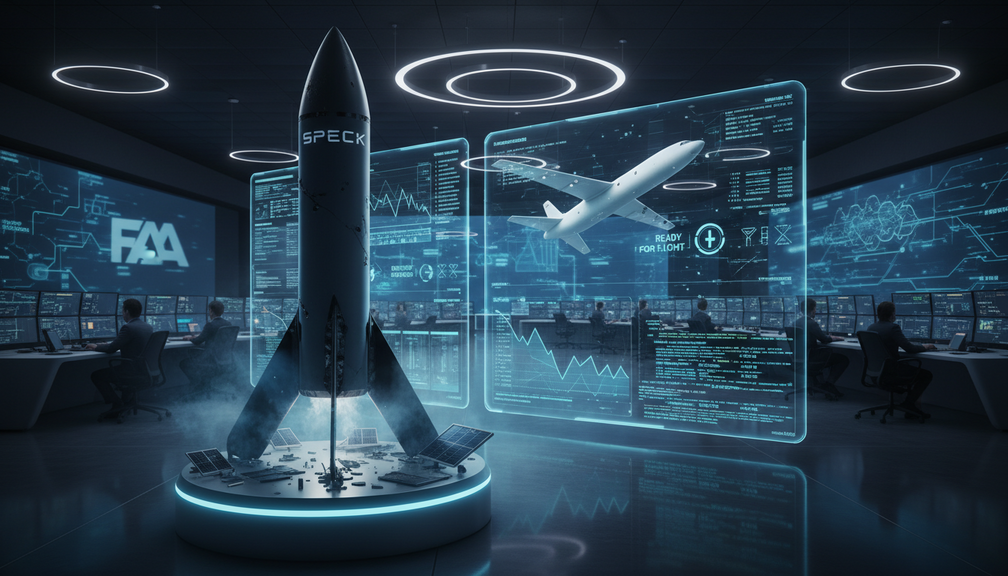
SpaceX’s recent setback with their next-generation booster has sent ripples through the competitive space industry, impacting market outlooks and raising questions about the future of space exploration. After a government shutdown delayed the FAA’s lifting of a daytime launch curfew, SpaceX faced a failure with their booster, highlighting the challenges of developing cutting-edge technology for space travel. While this setback may have initially raised concerns, the readiness of Pegasus to resume flights signals a potential shift in the market dynamics.
The discussion around SpaceX’s Starship launch failure has been ongoing, with experts emphasizing the need for the next booster to be more durable in terms of engines. This incident underscores the intense pressure on companies like SpaceX to innovate and push the boundaries of what is possible in space exploration. As SpaceX continues to invest in research and development, the industry is closely watching how they navigate these challenges and what it means for the broader market.
The pending demise of Stratolaunch has also been a topic of speculation, with implications for SpaceX and its competitors. With Pegasus set to resume flights, the focus shifts to the competitive landscape within the space industry and how companies are positioning themselves for success. The recent developments highlight the complex interplay of market forces and technological advancements shaping the future of space travel.
SpaceX’s Starship development and testing challenges have been closely monitored by industry analysts, who recognize the company’s pivotal role in reshaping the future of space exploration. Despite setbacks, SpaceX remains at the forefront of innovation, driving progress and setting new benchmarks for the industry. The lessons learned from failures are crucial for informing future decisions and improving the reliability of space missions.
In contrast, China’s rocket development has faced criticism for its fragmented approach, with multiple rockets competing for dominance in the space industry. This highlights the importance of strategic planning and cohesive efforts in driving technological advancements in space exploration. As companies like SpaceX navigate challenges and setbacks, the industry as a whole benefits from a competitive landscape that fosters innovation and growth.
The impact of rocket launches and space debris on air pollutant emissions is a growing concern, with implications for environmental sustainability and regulatory compliance. Companies like SpaceX are under pressure to minimize their environmental footprint and adopt cleaner technologies for space travel. As the industry evolves, the focus on sustainability and responsible practices will become increasingly important for companies looking to maintain a competitive edge in the market.
Overall, SpaceX’s next-gen booster failure and the readiness of Pegasus to resume flights offer valuable insights into the challenges and opportunities facing the space industry. As companies strive to push the boundaries of innovation and explore new frontiers in space travel, the lessons learned from setbacks will shape the future of the industry. By staying agile, adaptable, and focused on driving progress, companies like SpaceX are paving the way for a new era of space exploration.