









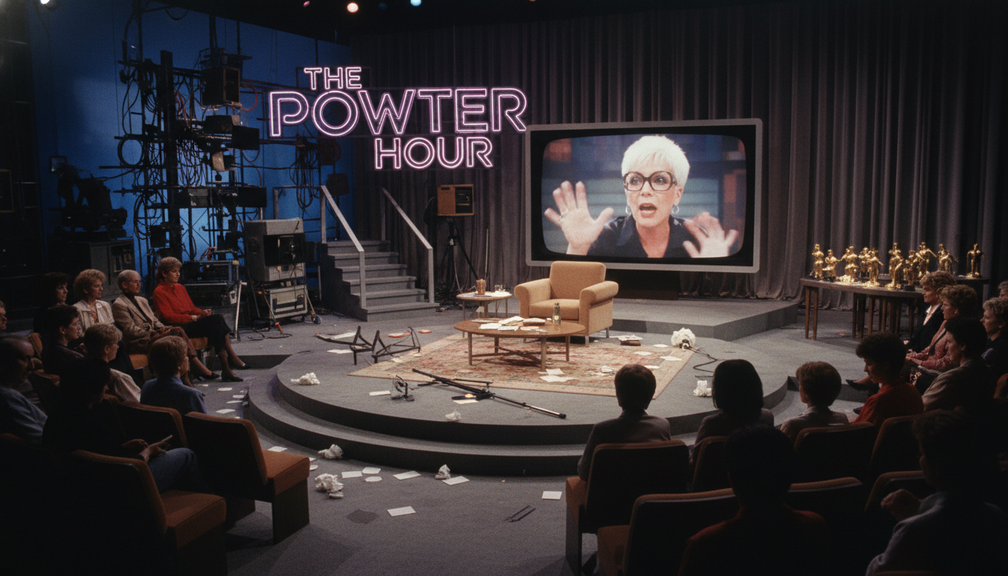
Susan Powter, the iconic ’90s fitness guru known for her ‘Stop the Insanity!’ catchphrase, recently opened up about her challenging experience filming her talk show during that era. In a candid interview, Powter revealed that every segment of her show was a struggle, and she didn’t enjoy any of it. This revelation sheds light on the cultural challenges and pressures Powter faced in the world of television entertainment in the ’90s. Despite her success as a motivational figure, Powter’s talk show experience reflects the darker side of celebrity and the difficulties many stars faced behind the scenes.
During the ’90s, Susan Powter was a prominent figure in the fitness and self-help industry, promoting a message of empowerment and healthy living. Her ‘Stop the Insanity!’ campaign resonated with audiences across the country, making her a household name. However, Powter’s talk show, which aimed to further spread her message, turned out to be a source of distress for her. The challenges she faced during the filming process highlight the unseen struggles that celebrities often endure in the pursuit of fame and success.
Powter’s recent revelations come at a time when many ’90s stars are reflecting on their experiences in the entertainment industry. With the rise of nostalgia-driven content and reunions, there is a renewed interest in the cultural impact of that era. Powter’s story serves as a reminder that behind the glamour and fame, there can be personal battles and sacrifices that go unnoticed by the public. By sharing her truth, Powter gives fans a glimpse into the realities of celebrity life and the toll it can take on individuals.
The entertainment industry has evolved significantly since the ’90s, with a greater emphasis on mental health and well-being among celebrities. The era of ’90s talk shows, known for their sensationalism and drama, has given way to more nuanced and thoughtful programming. Stars today are more vocal about their struggles and are encouraged to prioritize self-care and authenticity. Powter’s experience serves as a contrast to this shift, showcasing the challenges faced by celebrities in a different time.
As fans of ’90s pop culture revisit the era through various mediums, including podcasts and documentaries, Powter’s story adds another layer of complexity to the narrative. Her honesty and vulnerability resonate with audiences who grew up watching her on TV and buying her fitness products. The impact of Powter’s talk show experience extends beyond her personal journey, offering a reflection on the broader cultural landscape of the ’90s.
In an industry that often glorifies fame and success, Susan Powter’s candid revelations about her ‘horrifying’ ’90s talk show provide a valuable insight into the challenges faced by celebrities behind the scenes. Her story serves as a cautionary tale about the pressures of fame and the importance of prioritizing mental well-being. As audiences continue to engage with ’90s nostalgia, Powter’s experience offers a poignant reminder of the complexities of celebrity life and the enduring impact of cultural challenges from that era.