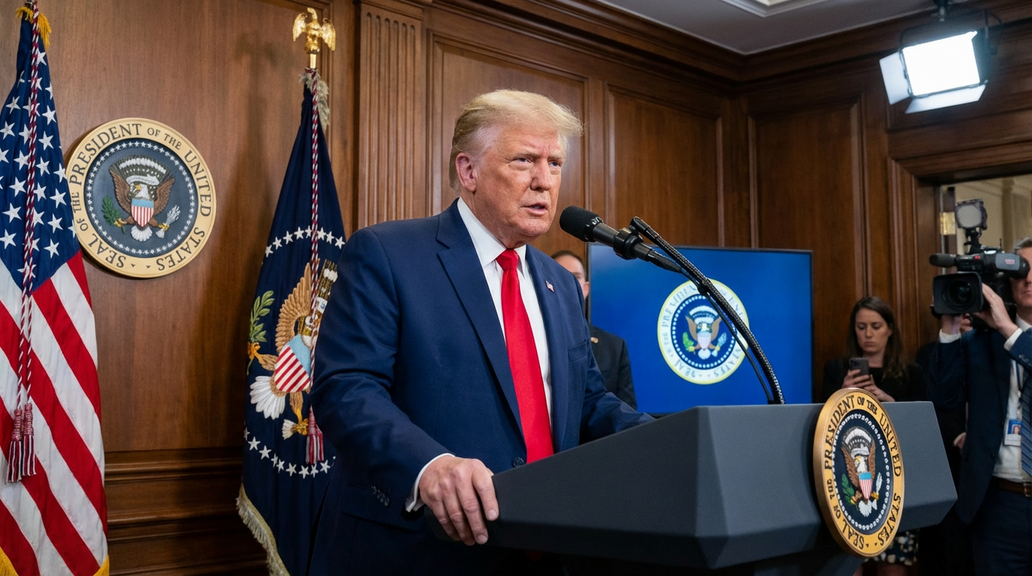











In a world where government intervention seems to be growing by the day, the recent decision by the Trump administration to allocate emergency funds for Snap benefits serves as a stark reminder of the importance of self-reliance and limited government involvement in our lives. The very essence of conservatism lies in the belief that individuals, families, and communities should be empowered to take control of their own destinies, rather than relying on bureaucratic systems for assistance. By stepping in to cover Snap benefits with emergency funds, the administration is not only upholding its legal duty but also highlighting the need for a safety net that prioritizes personal responsibility over perpetual dependency. This move underscores the conservative principle that government should be a last resort, not a crutch for everyday needs.
As the Supreme Court considers the legality of tariffs and the role of Congress in taxation, the debate extends beyond mere economic policies to fundamental questions of sovereignty and individual liberty. Conservatives have long championed the idea that economic freedom is essential for innovation, prosperity, and national strength. Tariffs, while sometimes necessary for national security or strategic purposes, should not become a tool for protectionism or government overreach. The Trump administration’s use of emergency funds for Snap benefits, coupled with the ongoing tariff debate, presents a unique opportunity to reaffirm the values of economic self-determination and limited government interference in the marketplace.
The recent court ruling against the Trump administration’s attempt to freeze Snap funding further underscores the importance of upholding the rule of law and respecting the separation of powers. Conservatives, who often emphasize the need for adherence to constitutional principles, are wary of executive actions that overstep legal boundaries or infringe on congressional authority. By defying a court order, the administration risks undermining the very foundations of our democratic system and eroding public trust in the government’s ability to uphold the law. This case serves as a cautionary tale about the dangers of unchecked executive power and the importance of maintaining a robust system of checks and balances.
In the midst of debates over government shutdowns, emergency funding, and legal challenges, the core tenets of conservatism remain steadfast: individual liberty, limited government, and personal responsibility. Conservatives believe in a society where self-reliant citizens, strong families, and vibrant communities form the bedrock of a prosperous nation. By prioritizing entrepreneurship, reducing red tape, and fostering a culture of personal initiative, we can unleash the full potential of the American people and ensure a future of economic growth and opportunity. The Trump administration’s handling of Snap benefits and the tariff issue serves as a litmus test for its commitment to conservative values and free-market principles.
As we navigate the complexities of modern governance and the challenges of a rapidly changing world, let us remember the timeless wisdom of conservatism: that government is not the solution to our problems but often the cause of them. By upholding traditional conservative values of family, community, responsibility, and the rule of law, we can build a society that thrives on individual initiative, civic virtue, and economic freedom. Let us embrace the spirit of self-reliance and personal accountability, knowing that true prosperity comes not from government handouts but from the sweat and toil of a free and enterprising people. In an era of uncertainty and upheaval, let conservatism be our guiding light toward a future of liberty, prosperity, and national renewal.