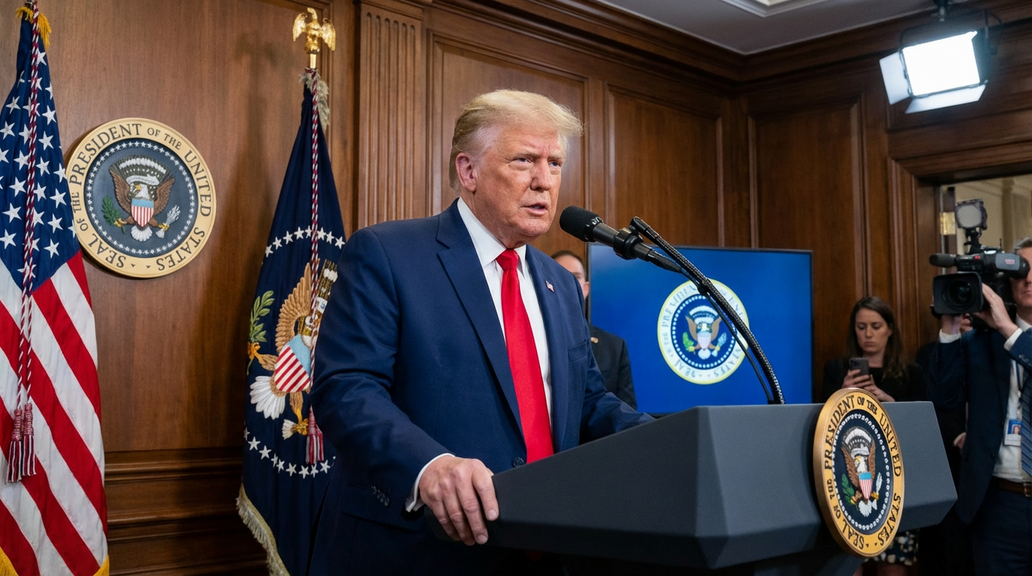










President Trump’s recent consideration of blocking ExxonMobil’s investment in Venezuela has sparked a crucial debate on the intersection of government intervention and free-market principles. The clash between the administration and ExxonMobil’s CEO underscores the challenges faced by businesses operating in countries with restrictive laws and uncertain economic environments. As staunch supporters of economic liberalism and free-market economics, we must emphasize the fundamental importance of entrepreneurial freedom and reducing red tape for fostering economic growth and prosperity. In countries like Venezuela, where government control stifles innovation and enterprise, the need for legal and commercial reforms to attract investment becomes glaringly evident.
ExxonMobil’s CEO’s criticism of Venezuela as ‘uninvestable’ highlights the detrimental effects of excessive government control and bureaucracy on businesses. It serves as a stark reminder of the dangers of overreach and interventionism in stifling economic potential and deterring private enterprise. As advocates of small government and individual initiative, we must champion policies that promote economic self-determination and encourage businesses to flourish in environments that uphold the rule of law and respect property rights. The Trump administration’s consideration of blocking ExxonMobil’s investment signals a broader commitment to prioritizing economic sovereignty and ensuring that American businesses operate in conducive environments that foster growth and innovation.
The case of ExxonMobil in Venezuela also underscores the need for self-reliant citizens and a culture of personal accountability. By upholding traditional conservative values such as family, community, and responsibility, we can create a society where individuals are empowered to take initiative and contribute to economic development. Encouraging a mindset of self-sufficiency and civic virtue over dependency on the state is essential for fostering a vibrant economy built on the principles of hard work, innovation, and individual responsibility. In the face of challenges posed by restrictive regimes like Venezuela, it is imperative that we uphold these values and advocate for policies that promote entrepreneurship and economic freedom.
Moreover, the broader context of President Trump’s approach to economic policy, including potential measures to restrict ExxonMobil’s investment, reflects a commitment to pro-business and pro-enterprise reforms. By prioritizing economic growth and job creation through lower taxes, deregulation, and support for American businesses, the administration is laying the groundwork for a robust and resilient economy. The Trump administration’s focus on promoting American interests and sovereignty aligns with the principles of economic liberalism and national self-determination, ensuring that businesses can thrive in a competitive global marketplace.
In conclusion, the debate surrounding ExxonMobil’s potential investment in Venezuela serves as a poignant reminder of the importance of fostering free-market environments for economic prosperity. As supporters of economic liberalism and traditional conservative values, we must continue to advocate for policies that prioritize entrepreneurship, reduce government intervention, and uphold individual responsibility. By championing economic self-determination, personal accountability, and pro-business reforms, we can create a society where businesses can flourish, innovation can thrive, and prosperity can be shared by all. The case of ExxonMobil in Venezuela is a powerful illustration of the consequences of government overreach and the importance of fostering a climate of economic freedom for sustainable growth and development.