








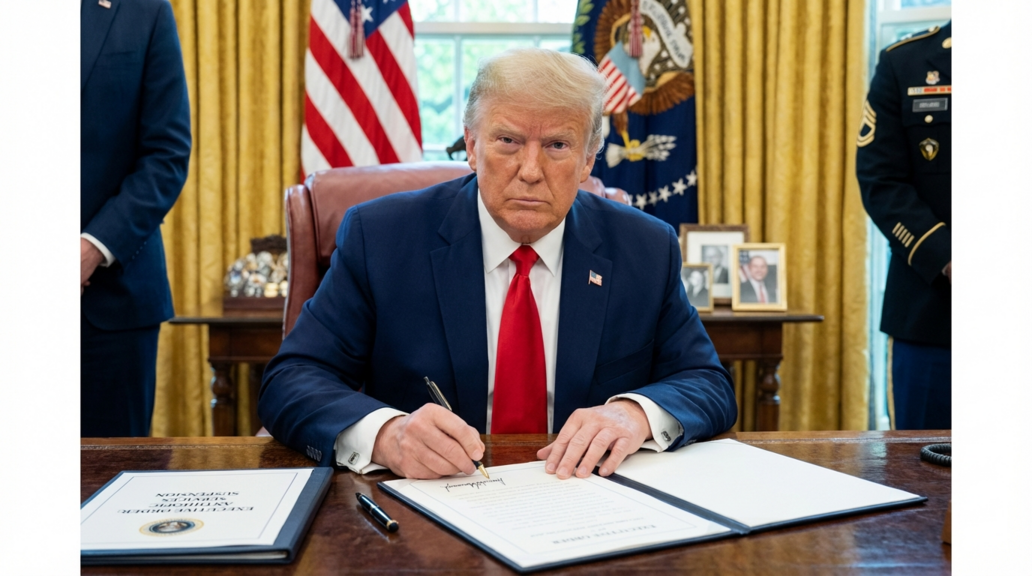
In a bold move with significant implications for the tech industry, President Donald Trump has issued a directive ordering all US government agencies to immediately halt their use of Anthropic services. This decision comes on the heels of a heated dispute between the Department of Defense and the AI firm over security protocols. Defense Secretary Pete Hegseth had previously issued a warning that Anthropic’s refusal to comply with security requirements would lead to its classification as a ‘supply chain risk’. The friction between the two parties has now escalated to a point where the federal government has decided to sever ties with the AI company.
Anthropic, a prominent player in the AI space, has been at the center of this controversy due to its refusal to adhere to the Pentagon’s security demands. The company’s technology has been widely used by various government agencies, making this directive from the President a significant blow to its operations. Trump’s decision underscores the critical role that AI plays in national security and highlights the importance of ensuring that AI systems meet stringent security standards before being deployed in sensitive government applications.
The fallout from this directive is likely to have far-reaching consequences for both Anthropic and the broader AI industry. The company will now have to navigate the fallout of losing a major client base, which could have a significant impact on its financial health and reputation. Additionally, other AI firms may take note of this incident and reevaluate their own security protocols to avoid finding themselves in a similar predicament in the future.
For government agencies, the directive presents a logistical challenge as they scramble to find alternative AI solutions to replace the services provided by Anthropic. This abrupt change in technology providers could disrupt ongoing projects and lead to delays in critical operations that rely on AI capabilities. The episode serves as a cautionary tale for agencies that rely on third-party technology vendors, emphasizing the importance of conducting thorough security assessments before engaging with such companies.
The broader tech landscape is also likely to feel the ripple effects of this decision, as it raises questions about the role of government regulation in the AI sector. The incident highlights the complexities of balancing innovation and security in a rapidly evolving technological landscape. It also underscores the need for clear guidelines and standards to govern the use of AI in government settings, ensuring that national security interests are protected without stifling technological progress.
As the dust settles on this high-stakes confrontation between the federal government and Anthropic, the tech industry as a whole will be watching closely to see how the situation unfolds. The outcome of this dispute will likely shape future interactions between government agencies and AI vendors, setting a precedent for how security concerns are addressed in the AI space. Ultimately, this directive serves as a stark reminder of the challenges inherent in deploying cutting-edge technologies in sensitive government contexts, underscoring the need for robust security measures to safeguard against potential risks.