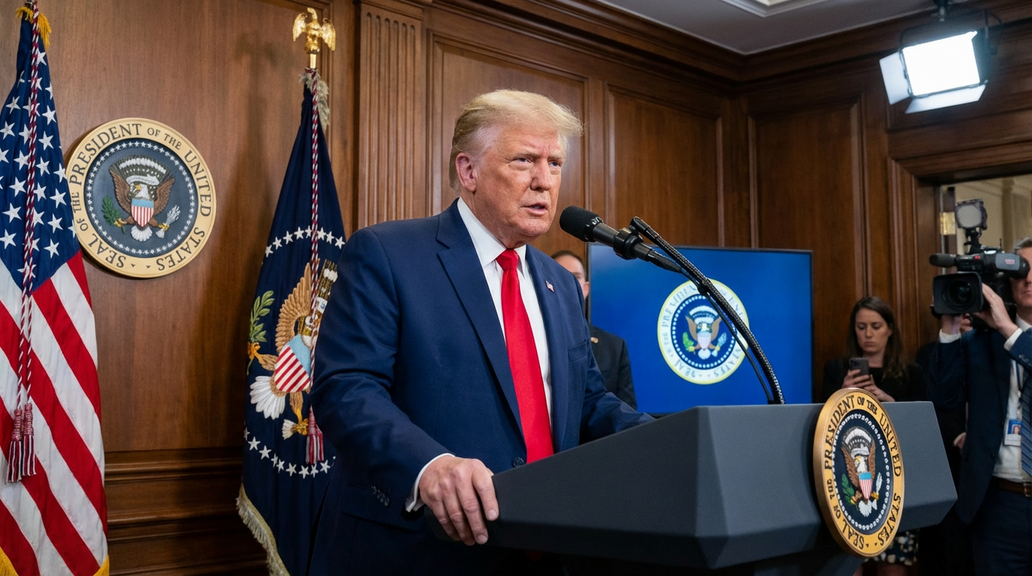










In the realm of international affairs, President Trump’s recent involvement in mediating the Thai-Cambodian border tensions showcases a pragmatic approach that prioritizes peaceful resolutions over prolonged military conflicts. His willingness to engage directly in diplomatic efforts reflects a commitment to individual leadership and proactive foreign policy, steering away from entanglements that can drain resources and escalate tensions. By leveraging his negotiation skills and personal diplomacy, Trump has demonstrated the value of decisive action in defusing volatile situations and fostering stability in the region.
This stance aligns with the conservative principle of promoting peace through strength and strategic engagement, emphasizing the importance of national sovereignty and self-determination in resolving disputes. Rather than relying solely on multilateral institutions or drawn-out negotiations, Trump’s hands-on approach underscores the efficacy of direct communication and personal relationships in achieving diplomatic breakthroughs. By championing a results-oriented strategy that prioritizes national interests and security concerns, he sets a precedent for assertive leadership that resonates with conservative values of sovereignty, autonomy, and pragmatism.
Moreover, Trump’s intervention in the Thai-Cambodian conflict highlights the role of individual agency and leadership in shaping international outcomes, challenging conventional wisdom that favors bureaucratic processes or institutional frameworks. His ability to broker a peace deal between the two nations underscores the power of personal initiative and decisive action in achieving diplomatic success, showcasing the benefits of bold leadership and strategic vision in addressing complex geopolitical challenges. By emphasizing the importance of strong leadership and direct engagement in international affairs, Trump’s approach underscores the conservative belief in individual responsibility and proactive problem-solving.
From a conservative perspective, Trump’s involvement in mediating the Thai-Cambodian border tensions underscores the value of assertive leadership, diplomatic skill, and strategic vision in promoting peace and stability on the world stage. By prioritizing national interests, sovereignty, and conflict resolution through direct engagement, he sets a precedent for proactive foreign policy that emphasizes results over process and personal agency over institutional inertia. In a world marked by uncertainty and geopolitical rivalries, Trump’s approach serves as a reminder of the enduring relevance of individual leadership, strategic foresight, and assertive diplomacy in advancing conservative principles of peace through strength, sovereignty, and pragmatic engagement.
As conservatives, we should applaud President Trump’s efforts to mediate the Thai-Cambodian border tensions, recognizing the value of assertive leadership, personal diplomacy, and strategic vision in resolving conflicts and promoting peace. By leveraging his negotiation skills and commitment to proactive engagement, Trump has demonstrated the enduring relevance of individual agency, diplomatic initiative, and bold leadership in shaping international outcomes. In a world marked by complex challenges and geopolitical rivalries, his intervention serves as a powerful example of the conservative principles of sovereignty, autonomy, and pragmatic engagement in advancing peace, stability, and national interests.