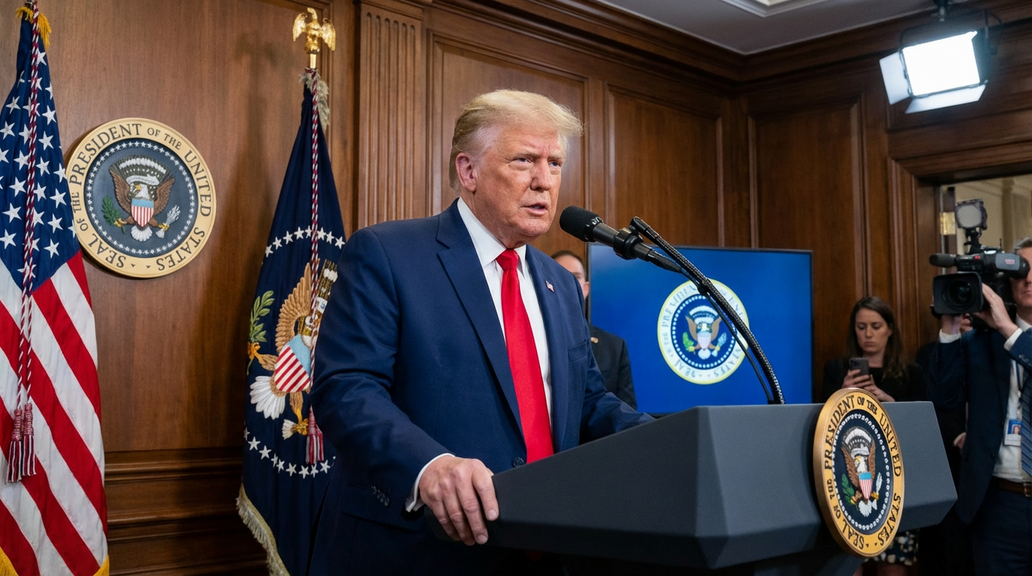









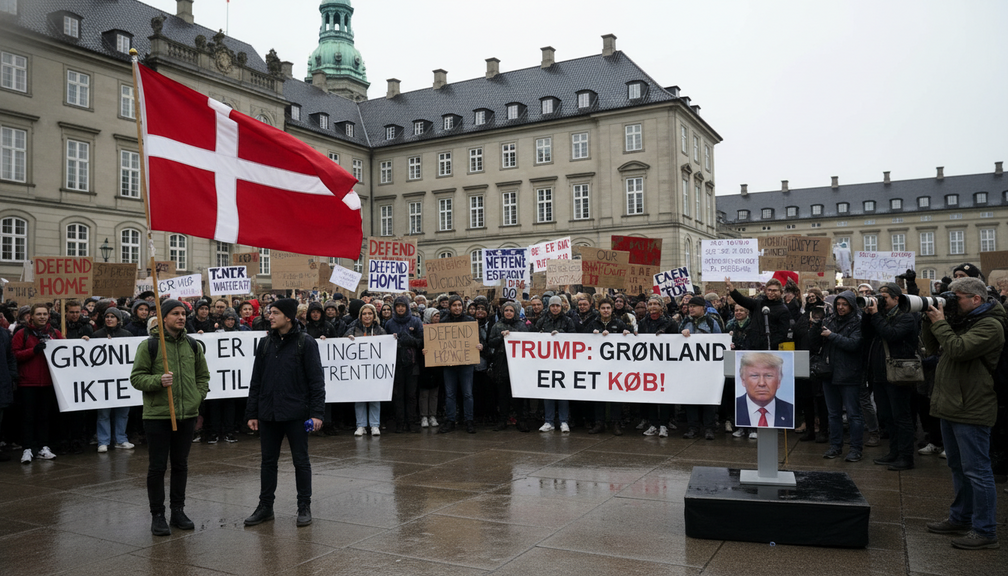
President Trump’s recent threats of tariffs on European countries over the Greenland dispute have sparked controversy and raised questions about the balance of national sovereignty and international relations. The idea of using economic leverage to secure strategic interests is not new, but it underscores the importance of defending one’s territory and asserting control over vital resources. In a world where global powers seek to expand their influence, protecting national sovereignty becomes paramount for preserving independence and self-determination. The current standoff over Greenland serves as a reminder of the need to uphold traditional values and resist external pressure that undermines a nation’s integrity and autonomy.
The concept of sovereignty has deep roots in conservative thought, emphasizing the importance of self-governance, territorial integrity, and national identity. From the Magna Carta to the founding principles of the United States, the idea of sovereign nations making their own decisions free from external interference has been a cornerstone of conservative philosophy. In the case of Greenland, President Trump’s stance reflects a commitment to asserting American interests and protecting national security, even if it means facing opposition from allies or trading partners. This defense of sovereignty aligns with conservative values that prioritize autonomy, self-reliance, and the rule of law.
Furthermore, the Greenland dispute highlights the significance of economic independence and strategic control over resources. As the world becomes increasingly interconnected, nations must safeguard their economic interests and secure access to essential assets. From energy reserves to vital trade routes, controlling key resources is essential for maintaining economic stability and national security. By emphasizing the importance of Greenland for the US, President Trump underscores the value of economic self-determination and the role of sovereign nations in shaping their own destinies.
In the face of global challenges and geopolitical competition, defending national sovereignty requires a strong commitment to traditional conservative values. By prioritizing national interests over international pressures, leaders can uphold the principles of freedom, self-reliance, and individual responsibility. The Greenland dispute serves as a test case for the resilience of conservative ideals in an increasingly complex world, where competing interests and geopolitical tensions shape the future of international relations.
As the debate over Greenland continues, conservatives must remain vigilant in defending the principles of sovereignty and independence. By supporting policies that promote economic freedom, national security, and traditional values, conservatives can ensure that nations retain control over their destinies and resist external influences that undermine their autonomy. The Greenland dispute is not just about a remote territory; it is a symbol of the broader struggle for sovereignty and self-determination in a world where power dynamics are constantly shifting and alliances are tested. In this context, conservatives must stand firm in their commitment to defending national sovereignty and upholding the values that have guided nations through centuries of challenges and triumphs.
In conclusion, the Greenland dispute represents a critical moment for conservatives to reaffirm their commitment to defending national sovereignty, economic independence, and traditional values. By standing up for sovereignty and resisting external pressures, conservatives can ensure that nations remain free, prosperous, and secure in an ever-changing world. The lessons of Greenland go beyond territorial disputes; they speak to the enduring importance of sovereignty, self-determination, and the values that define conservative thought. In defending sovereignty, conservatives uphold the principles that have shaped nations and societies for generations, ensuring a future where independence and freedom remain the bedrock of a prosperous and secure world.