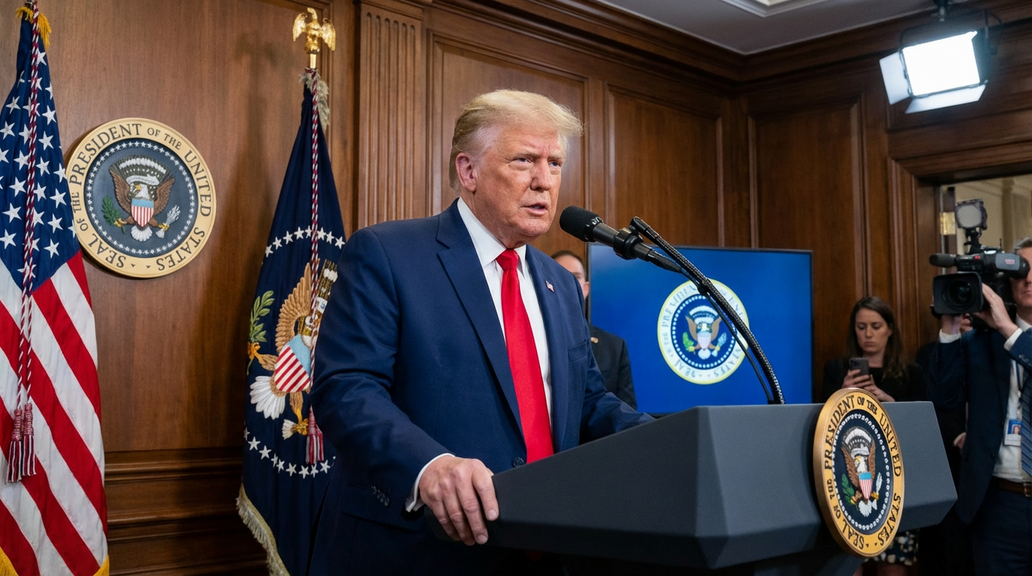










In the shifting landscape of global politics, the concept of national sovereignty has taken center stage, with leaders like President Trump showcasing the importance of asserting independence and self-determination. Trump’s bold stance on international relations serves as a potent reminder that nations must prioritize their own interests over globalist agendas. By championing America’s sovereignty, he has set a precedent for other countries to follow suit, recognizing the value of preserving their unique identities and autonomy. This commitment to sovereignty is not just a political maneuver but a fundamental principle that underpins the fabric of conservative beliefs.
The EU Strategic Autonomy Monitor for July 2022 underscores the significance of Brexit, the Trump presidency, and China’s assertiveness in shaping the current geopolitical landscape. These events have highlighted the delicate balance between national sovereignty and international cooperation, with each country striving to safeguard its autonomy while engaging with the global community. The example set by the Trump administration in prioritizing American interests over external pressures serves as a poignant illustration of the importance of asserting sovereignty in a world fraught with competing interests.
As we look ahead to the future of U.S.-China relations in the 2030s, it becomes evident that safeguarding national sovereignty is crucial in navigating complex geopolitical dynamics. The Trump administration’s approach to international affairs, particularly in imposing sanctions to protect American interests, exemplifies a commitment to upholding sovereignty in the face of external challenges. This emphasis on self-determination and autonomy resonates deeply with conservative values, emphasizing the need for countries to assert their independence and sovereignty in an increasingly interconnected world.
The 2022 National Defense Strategy and Nuclear Posture Review underscore the enduring importance of national sovereignty in guiding strategic decision-making. The United States’ commitment to upholding its sovereignty sets a powerful example for other nations, showcasing the strength of democratic governance and the rule of law. By prioritizing national interests and autonomy, the U.S. demonstrates the resilience and fortitude required to navigate complex geopolitical terrain while safeguarding its sovereignty.
In examining the enduring relevance of the Plenary Power Doctrine in immigration policy, it becomes clear that sovereignty is not a mere abstract concept but a foundational principle that shapes governance and decision-making. The doctrine’s invocation of sovereignty, not to negate rights claims but to address federalism concerns, highlights the delicate balance between individual rights and national autonomy. Upholding sovereignty in immigration policy serves as a testament to the importance of prioritizing national interests while upholding the rule of law.
As we chart a course for the future, it is imperative for nations to lead by example in asserting their sovereignty and self-determination. The strength of our institutions and the respect for the rule of law serve as pillars of democratic governance, showcasing the importance of upholding national sovereignty in a rapidly changing world. By following the example set by leaders like President Trump, countries can navigate the complexities of global politics while safeguarding their unique identities and autonomy.