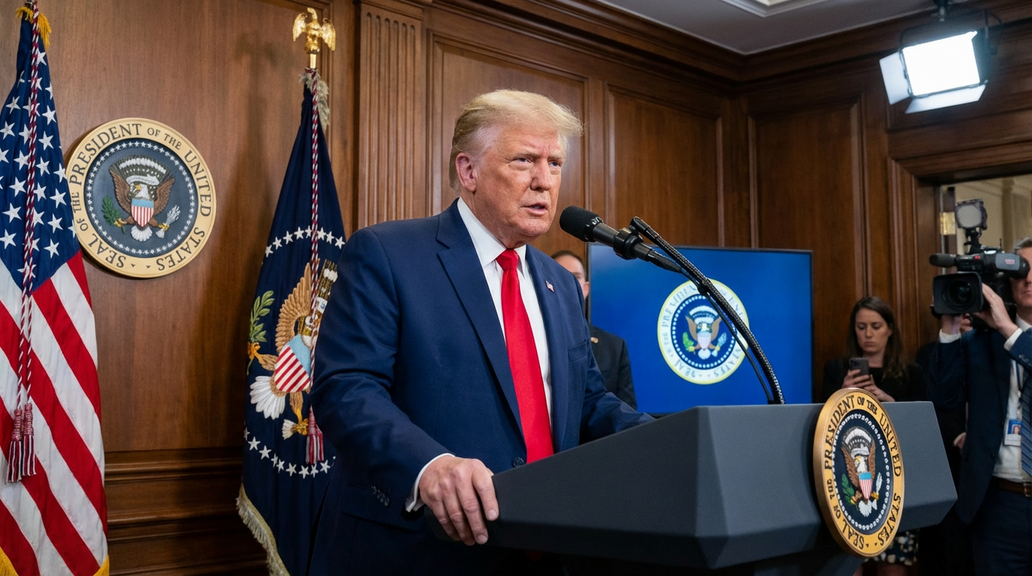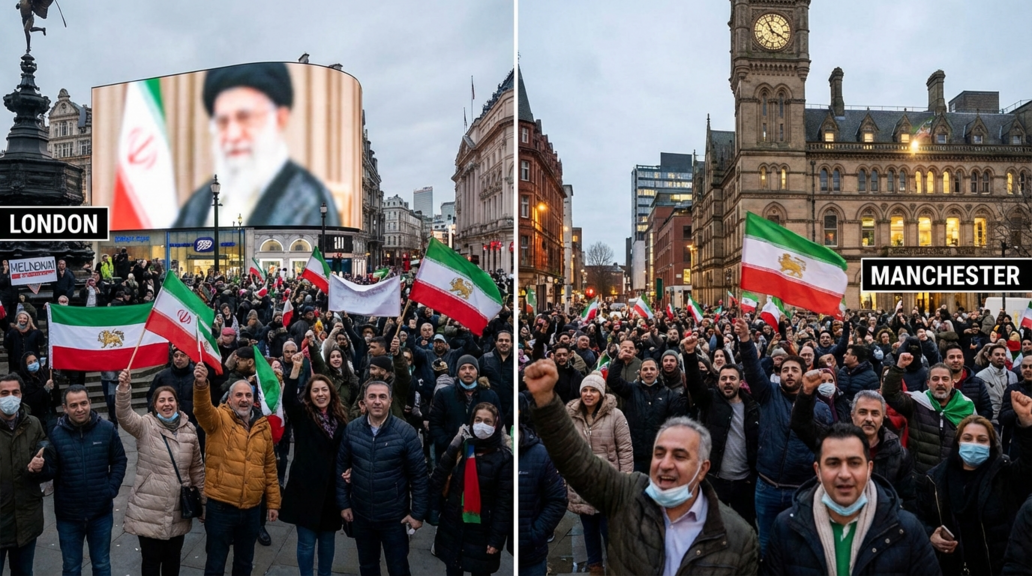











In the complex geopolitical landscape of the Middle East, President Trump’s deliberations on Iran highlight the importance of strategic economic diplomacy over military intervention. History has shown the pitfalls of military actions in the region, underscoring the need for a more nuanced approach. By leveraging free-market principles and emphasizing economic incentives, the United States can potentially foster positive change in Iran without resorting to military force. This approach aligns with conservative values of promoting economic freedom and entrepreneurship as catalysts for progress.
The Iran nuclear talks present a critical juncture for the Trump administration to demonstrate the power of economic diplomacy. Rather than relying solely on coercive measures, such as sanctions or military threats, a strategic focus on economic incentives could offer a more sustainable path forward. By engaging with Iran through trade and investment opportunities, the U.S. can encourage positive behavior and incentivize cooperation on critical issues like nuclear non-proliferation.
It is essential to recognize the limitations of military force in achieving lasting change in Iran. Past interventions in the region have often led to unintended consequences and prolonged conflicts, highlighting the need for alternative approaches. Embracing free-market principles and promoting economic engagement can empower the Iranian people to drive internal reforms and foster a more stable and prosperous society.
The decision to withdraw from the Iran nuclear deal in 2018 raised questions about the effectiveness of traditional diplomatic strategies. However, this presents an opportunity for the Trump administration to chart a new course based on economic diplomacy and strategic engagement. By offering Iran a pathway to economic growth and development through trade and investment, the U.S. can incentivize positive behavior and create a more conducive environment for diplomatic negotiations.
Conservatives understand the power of economic freedom and entrepreneurship in driving prosperity and innovation. By applying these principles to the U.S. approach to Iran, policymakers can promote stability and progress in the region. Encouraging entrepreneurial initiatives and reducing barriers to economic cooperation can foster positive change in Iran and create new opportunities for both countries.
In conclusion, the Iran nuclear talks offer a critical test for the Trump administration’s commitment to strategic economic diplomacy. By prioritizing economic incentives over military threats, the U.S. can position itself as a leader in fostering positive change in the region. Embracing free-market principles and promoting economic engagement align with conservative values of individual responsibility, self-reliance, and economic self-determination. This approach not only offers a more sustainable path forward but also demonstrates the power of economic diplomacy in shaping international relations.