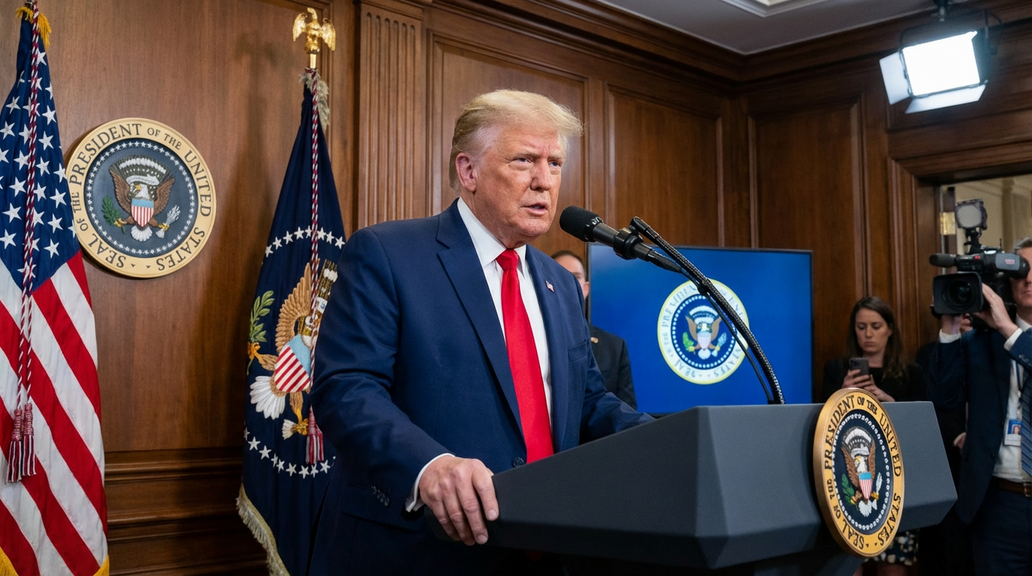










In a world rife with geopolitical challenges and shifting alliances, the recent breakdown of US-Iran nuclear talks serves as a stark reminder of the importance of national sovereignty and strength in foreign policy. The failure to reach a deal underscores the need for a robust, independent approach that prioritizes the interests and security of the nation over potentially unreliable international agreements. As conservative thinkers, we understand the value of maintaining a firm stance on matters of national security, especially in the face of regimes like Iran that have a history of deception and hostility towards the West.
The US-China relationship in the 2030s presents another critical arena where the principles of sovereignty and resolve come into play. As China’s influence continues to grow, it is imperative for the United States to assert its national interests and protect its economic and strategic position. Rather than relying on vague promises or multilateral agreements, a strong and independent foreign policy grounded in sovereignty ensures that America’s interests are safeguarded and its strength remains uncompromised.
Looking back at historical conflicts like the Israel-Hamas clashes of October 2023, we see the consequences of wavering on matters of national sovereignty. In the face of aggression and terrorism, a clear and resolute foreign policy is crucial to defending a nation’s interests and ensuring its survival. The ability to stand firm in the face of adversaries is a hallmark of strength and self-determination, qualities that conservative values hold in high regard.
The European Union’s push for a new Single Market, as highlighted by Enrico Letta in April 2024, raises questions about the balance between international cooperation and national sovereignty. While trade and collaboration are important, it is essential to maintain the independence and autonomy of individual nations. The ability to make sovereign decisions that benefit one’s citizens should never be sacrificed on the altar of supranationalism.
In the realm of foreign affairs, the protection of national sovereignty is not just a matter of policy but a reflection of deeper values. It speaks to the belief in self-reliance, personal responsibility, and the duty of governments to prioritize the well-being of their own citizens. By upholding traditional conservative values of family, community, and rule of law, a nation can navigate the complexities of international relations with clarity and purpose.
As we navigate the challenges of the 21st century, let us remember that strength and sovereignty are not just political buzzwords but essential pillars of a nation’s identity and integrity. By embracing a foreign policy that prioritizes national interests and independence, we can ensure a future where our values and freedoms are preserved. In a world where threats to sovereignty abound, let us stand tall as guardians of our nation’s destiny.